
When we imagine ancient Rome’s relationship with the so-called “barbarians,” we often picture violent clashes on windswept battlefields—Roman legions in perfect formation facing off against unruly tribes. But beyond the warfare and propaganda, there existed a quieter, less visible reality: trade.
Rome didn’t just conquer; it also exchanged. Goods flowed across its borders, even with those it considered uncivilized. The empire’s vast economy, military machine, and cultural influence were partly sustained by a robust system of trade with its non-Roman neighbors.
So what exactly did Rome trade with the barbarians—and why?
Who Were the “Barbarians”?
To the Romans, anyone outside their cultural sphere was a barbarus—a foreigner, often portrayed as wild, primitive, and dangerous. This label was applied to groups like the Goths, Vandals, Franks, Alemanni, Celts, and Huns.
But in reality, these so-called barbarians were far from isolated. Many lived along or just beyond Rome’s borders, often forming complex relationships with the empire—alternating between enemy, ally, and trade partner.
What Rome Gave to the Barbarians
Despite their disdainful views, Rome knew how to use wealth as diplomacy. Among the goods traded or gifted to barbarian tribes were:
- Gold and Silver Coins – Used both in trade and as tribute to buy loyalty or peace. Roman currency became widely accepted beyond the empire.
- Wine and Olive Oil – Symbolic of Roman sophistication, these goods were prized luxury items for tribal elites.
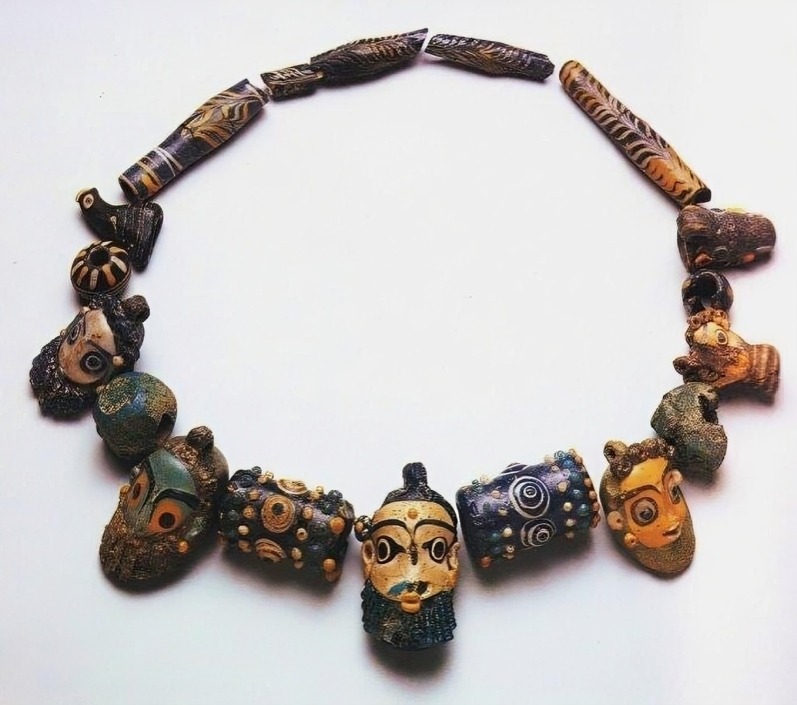
- Pottery and Glassware – Mass-produced Roman ceramics, amphorae, and glass beads were commonly found in barbarian graves and settlements.
- Weapons and Armor – While risky, Rome sometimes traded weapons or hired barbarian mercenaries, arming them with Roman gear.
- Silks and Spices (via eastern trade routes) – Though rare and expensive, these exotic items trickled into barbarian hands through trade networks.
- Roman Clothing and Jewelry – To display wealth and status, barbarian chieftains often adopted Roman-style garments and adornments.
These goods weren’t just for utility—they were status symbols that enhanced the power of tribal leaders and aligned them culturally with Rome.
What the Barbarians Gave to Rome
In return, Rome received essential resources and services:
- Raw Materials – Including timber, iron, amber, furs, and salt. Northern Europe, especially around the Baltic, was a major source of amber, highly valued in Roman jewelry.
- Slaves – One of the darker aspects of trade. Many slaves were acquired through raids, warfare, or as part of negotiated tribute. Slaves from barbarian tribes were used in Roman households, farms, and mines.
- Livestock and Grain – Vital for feeding both armies and urban populations, especially during shortages.
- Horses – Particularly from eastern tribes like the Sarmatians, who were known for breeding strong cavalry mounts.
- Mercenary Service – Many barbarian warriors served as auxiliaries in the Roman military, sometimes even settling in Roman territory in exchange for land and citizenship.
This wasn’t just economic—it was strategic. Rome depended on these resources to maintain its military and social systems.
Trade as Diplomacy and Control
Trade wasn’t just about goods—it was a political tool.
Rome often used trade to build alliances, offering wealth and goods to keep powerful tribal leaders cooperative. When tensions rose, cutting off trade became a method of pressure. At times, emperors paid barbarian tribes to fight each other or to stay out of Roman lands—a practice that blurred the line between diplomacy and bribery.
These trade relationships created dependency. Many tribes began to rely on Roman luxuries and coinage, subtly shifting power in Rome’s favor—until that dependency reversed.
When Trade Broke Down: The Cost of Collapse
As the empire weakened in the 4th and 5th centuries CE, so did its trade networks. Internal instability, invasions, and economic inflation disrupted the flow of goods. Barbarian groups that once traded with Rome began to invade it, seeking the land and resources that were no longer flowing through peaceful means.
Ironically, the tribes that once benefited from Roman trade—like the Visigoths—would go on to conquer Roman cities, including the sack of Rome itself in 410 CE.
Conclusion
Rome and the barbarians were not separated by a cultural wall as thick as we often imagine. Trade proved that even amid distrust and war, mutual needs could bridge civilizations. While Rome may have labeled its neighbors “barbarians,” it also fed, armed, hired, and depended on them.
In the end, trade revealed something that conquest could not: that even empires must negotiate with the world beyond their walls.
