
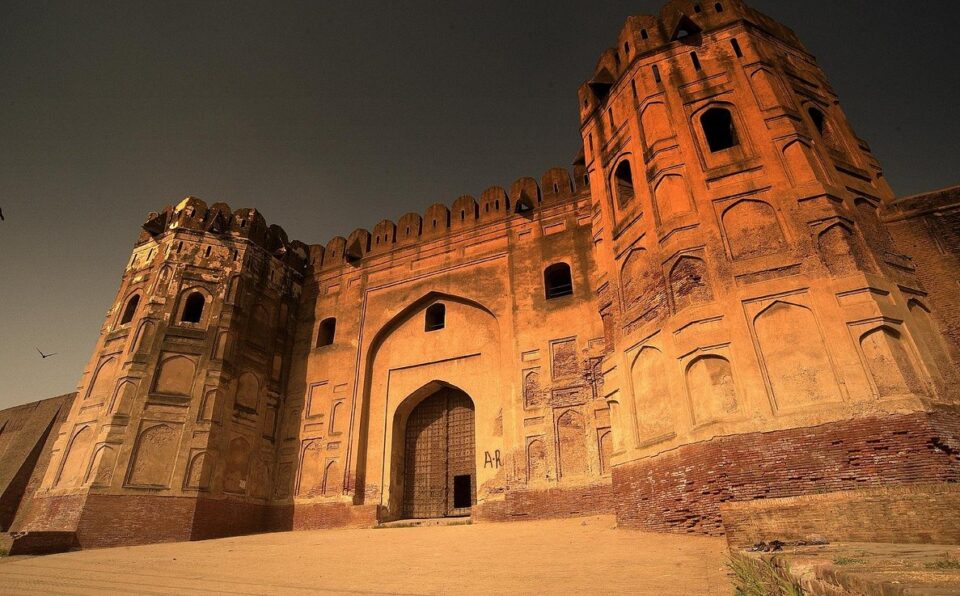
Lahore is one of the most historic and cultural cities in Pakistan. It is known for its rich past, beautiful architecture, and lively streets. One of the most fascinating parts of Lahore’s history is its 12 famous gates, which were once the main entrances to the old walled city.
These gates were not just simple doors. They were symbols of protection, trade, culture, and daily life. Each gate has its own story, its own purpose, and its own charm. Even today, these gates remind us of the glory of old Lahore.
Let’s take a journey through history and explore the 12 gates of Lahore in simple words.
The Walled City of Lahore
In the past, Lahore was surrounded by a strong wall to protect it from enemies. This area is now known as the Walled City of Lahore. The wall had 12 gates, which allowed people to enter and exit the city.
Each gate was built for a specific reason. Some were used by traders, some by travelers, and others had military importance. These gates made Lahore a safe and organized city.
Delhi Gate
Delhi Gate is one of the most famous gates of Lahore. It was named because it faces the direction of Delhi, India.
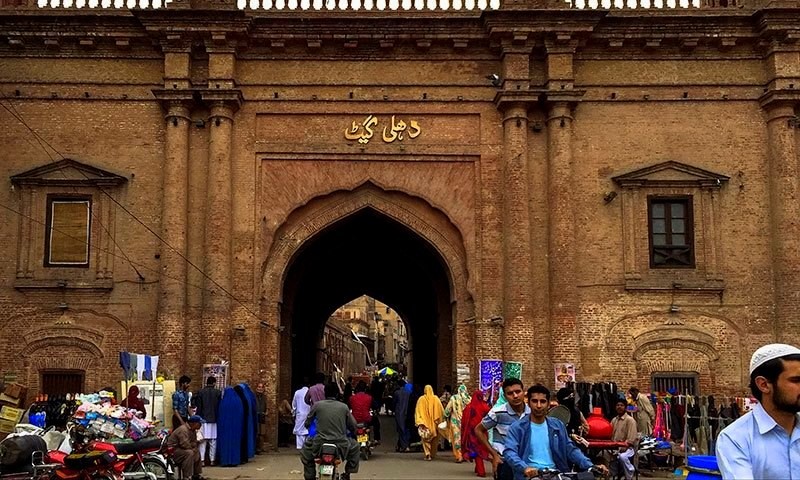
This gate was an important entrance for travelers coming from Delhi. Even today, the area around Delhi Gate is full of life, with markets, food streets, and historical places.
Bhati Gate
Bhati Gate is known for its cultural and literary importance. Many famous poets and writers lived in this area.
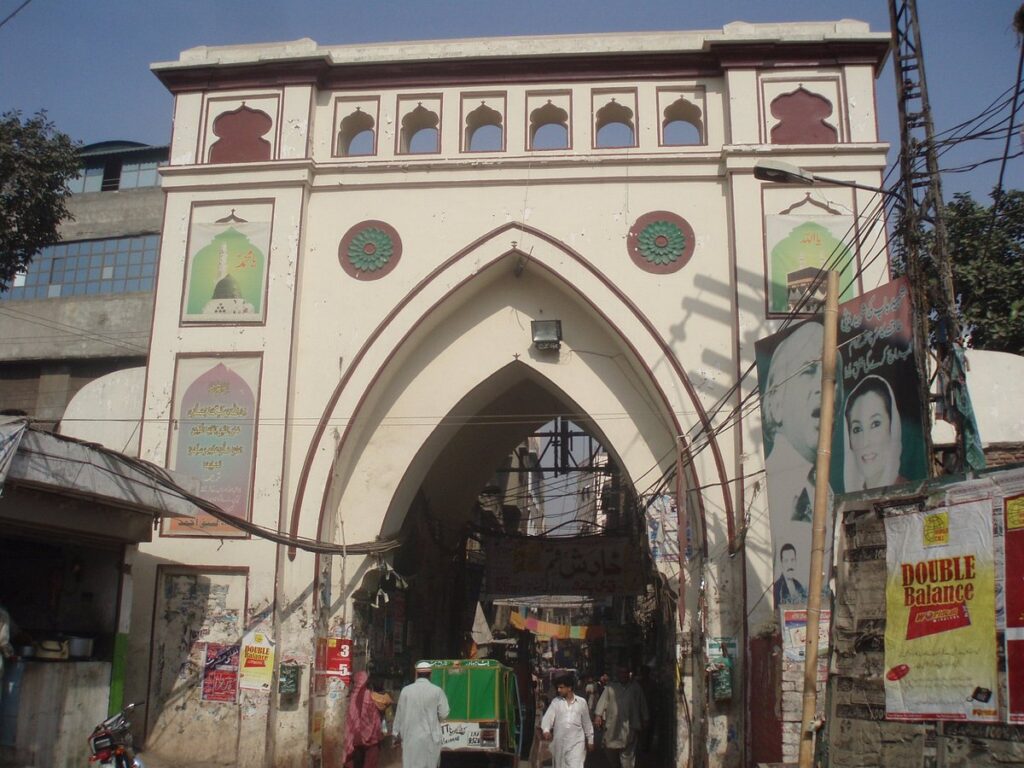
The streets near Bhati Gate are lively and full of traditional food spots. It is a place where you can truly feel the spirit of old Lahore.
Lohari Gate
Lohari Gate got its name from the word “Lohar,” which means blacksmith. In the past, many blacksmiths worked near this gate.
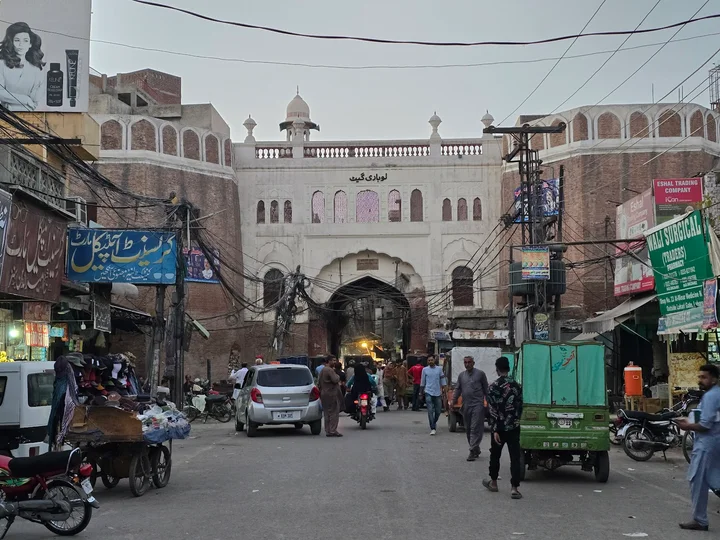
This area was known for metalwork and tools. Today, it is still a busy market with a rich history.
Kashmiri Gate
Kashmiri Gate faces the direction of Kashmir. It was used by people traveling between Lahore and Kashmir.
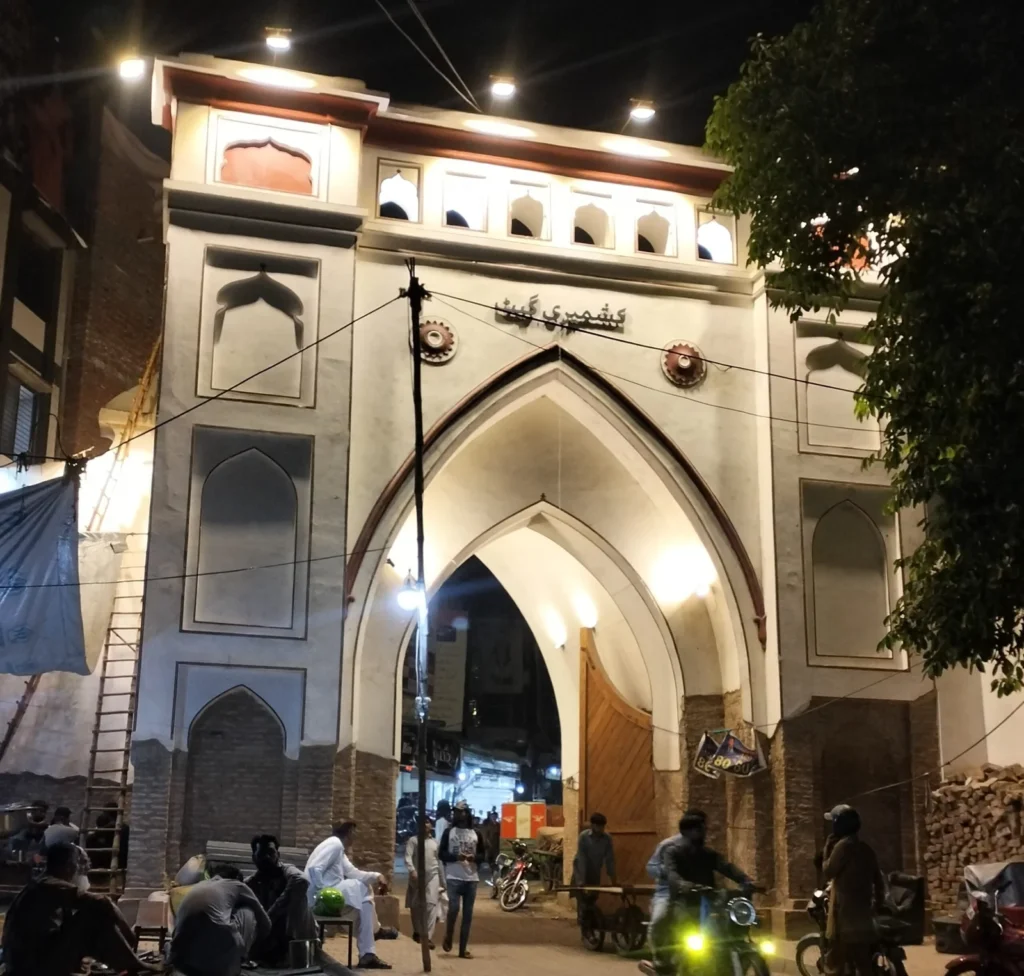
This gate shows the connection between Lahore and the northern regions. It is an important part of the city’s travel history.
Taxali Gate
Taxali Gate is named after the word “Taxal,” which means mint (a place where coins were made).
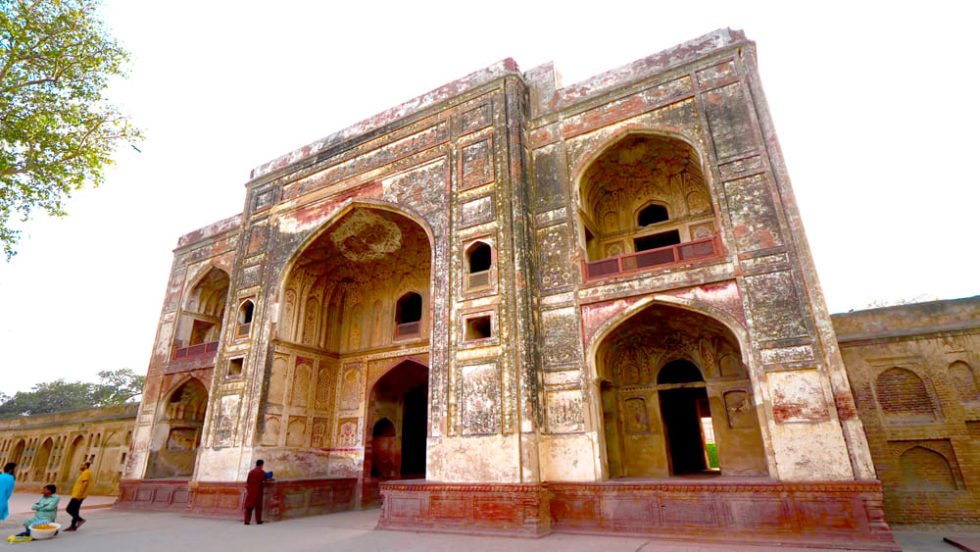
During the Mughal period, coins were produced near this gate. The area is also known for its traditional music and cultural heritage.
Akbari Gate
Akbari Gate was named after the Mughal Emperor Akbar. It was one of the busiest gates because it led to large markets.
Traders used this gate to bring goods into the city. Even today, Akbari Mandi is one of the biggest grain markets in Lahore.
Shah Alam Gate
Shah Alam Gate is named after Emperor Shah Alam. This gate was rebuilt after being damaged in history.
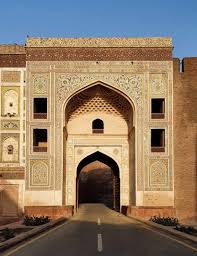
The area around this gate is now a major commercial market, full of shops and business activities.
Mochi Gate
Mochi Gate is famous for its political and cultural importance. Many public gatherings and speeches were held here.
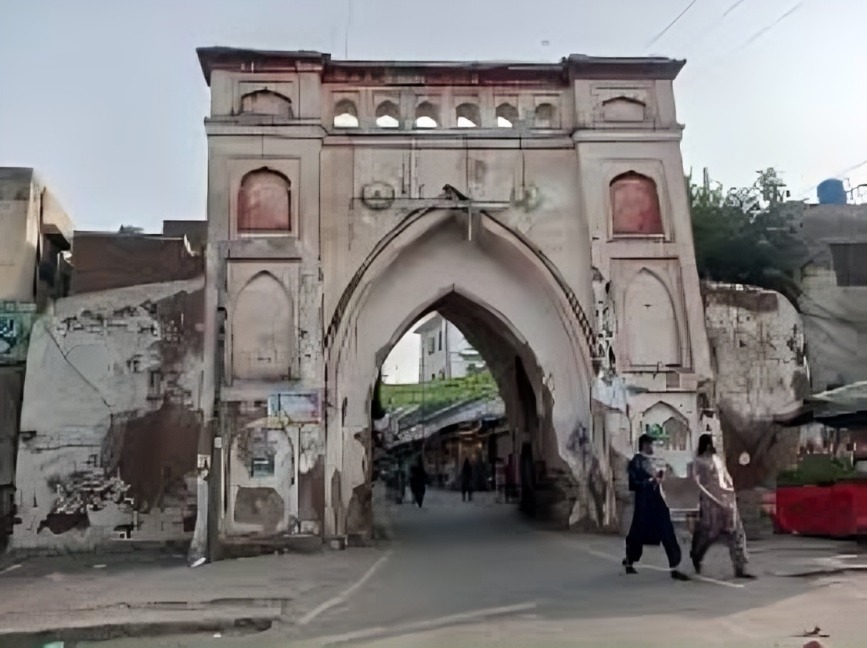
It is also known for Mochi Bagh, a place where people gathered for events and celebrations.
Roshnai Gate
Roshnai Gate means “Gate of Light.” It was beautifully lit at night during the Mughal era.
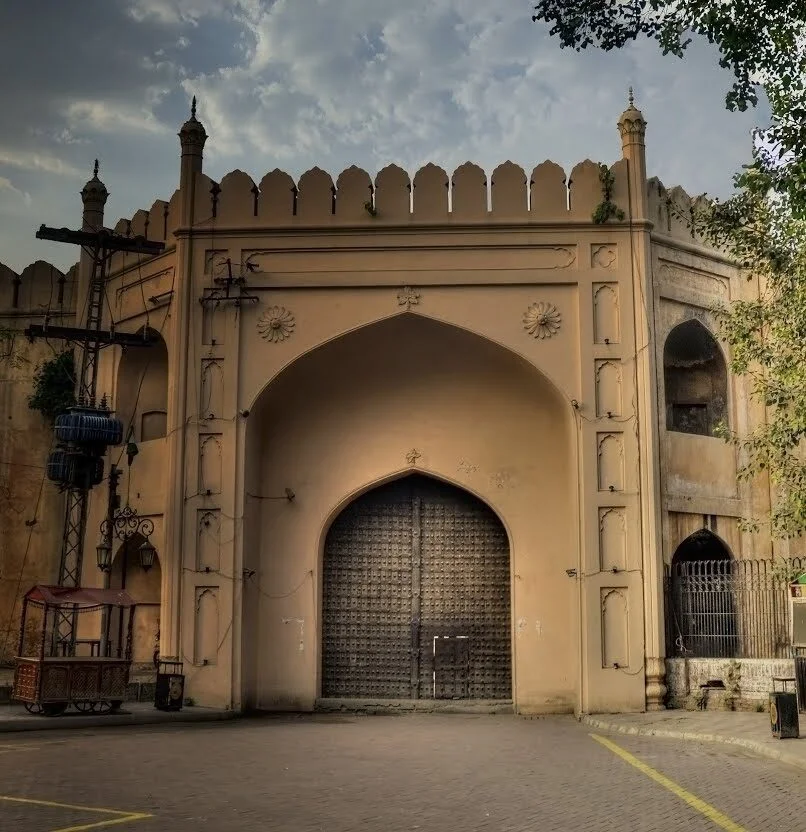
This gate is located near the Lahore Fort and Badshahi Mosque. It is one of the best-preserved gates and still shows its original beauty.
Yakki Gate
Yakki Gate is named after a saint named Zaki (Yakki). According to stories, he fought bravely to protect the city.
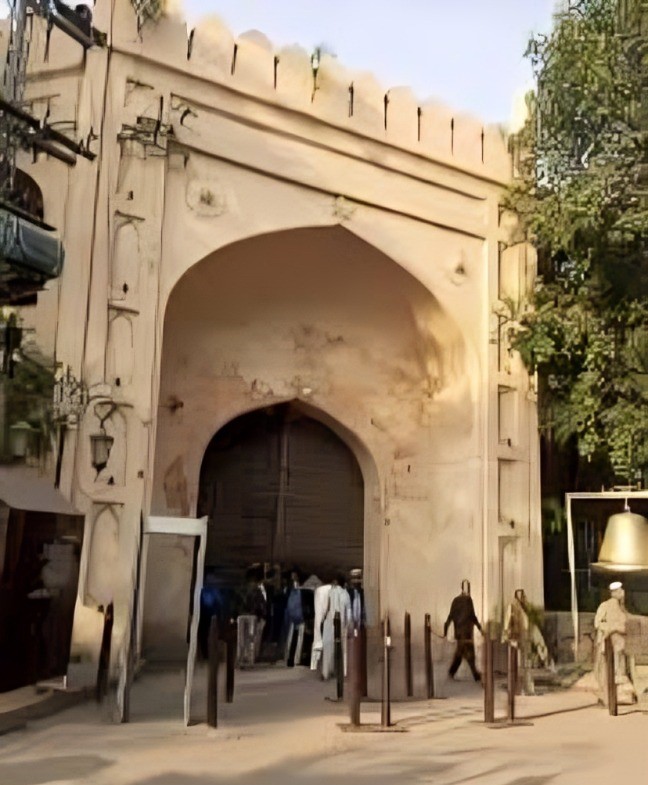
This gate represents courage and sacrifice in Lahore’s history.
Masti Gate
Masti Gate is located near the Lahore Fort. It is one of the oldest gates of the city.
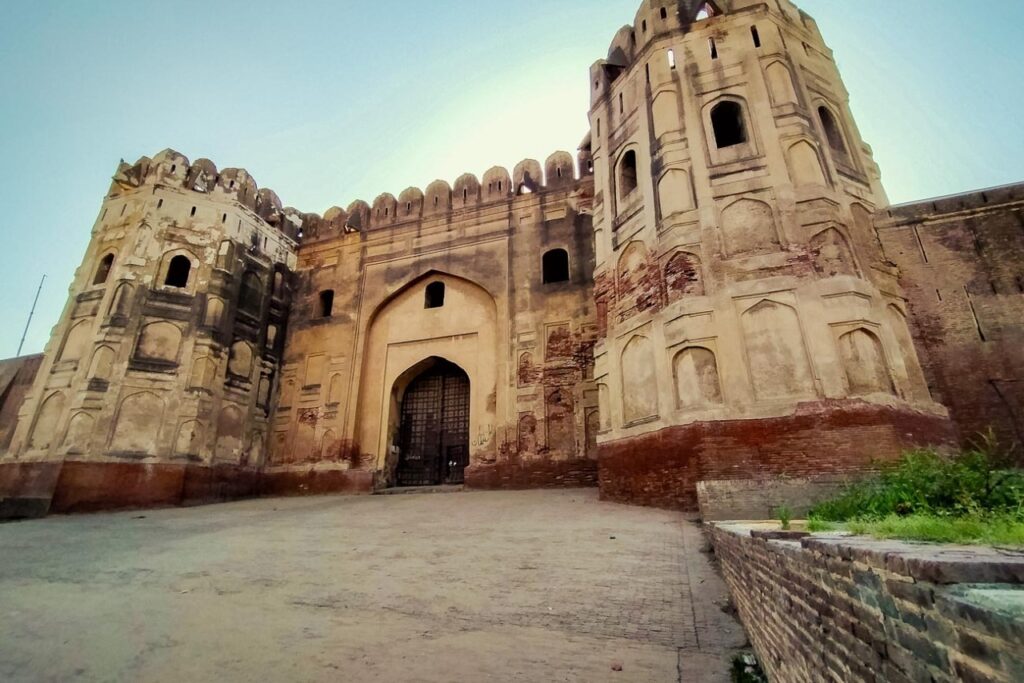
The area is known for its historical importance and close connection to Mughal architecture.
Mori Gate
Mori Gate is the smallest of all the gates. It was mainly used for waste disposal and was not a main entrance like the others.
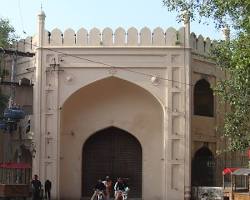
Despite its small size, it is still an important part of the city’s history.
Importance of the 12 Gates
The 12 gates of Lahore were more than just entry points. They played a key role in the city’s life:
- Protection: They helped defend the city from attacks
- Trade: Goods entered and left through these gates
- Culture: Each gate had its own community and traditions
- History: They reflect the Mughal and Sikh periods of Lahore
These gates show how organized and advanced Lahore was in the past.
Lahore Today
Today, many of these gates still exist, while some have been rebuilt. The Walled City of Lahore remains a popular place for tourists and locals.
Walking through these gates feels like stepping back in time. You can see old buildings, narrow streets, traditional food, and vibrant markets.
Efforts are being made to restore and preserve these historical sites so future generations can learn from them.
Conclusion
The 12 gates of Lahore are not just old structures—they are stories of the past. Each gate tells us something about the city’s culture, people, and history.
From busy markets to peaceful streets, these gates have seen centuries of life pass through them. They remind us of Lahore’s rich heritage and its importance in South Asian history.
Exploring these gates is like taking a journey through time. It helps us understand where we come from and appreciate the beauty of our past.
Lahore truly is a city of history, and its 12 gates are among its greatest treasures.
