
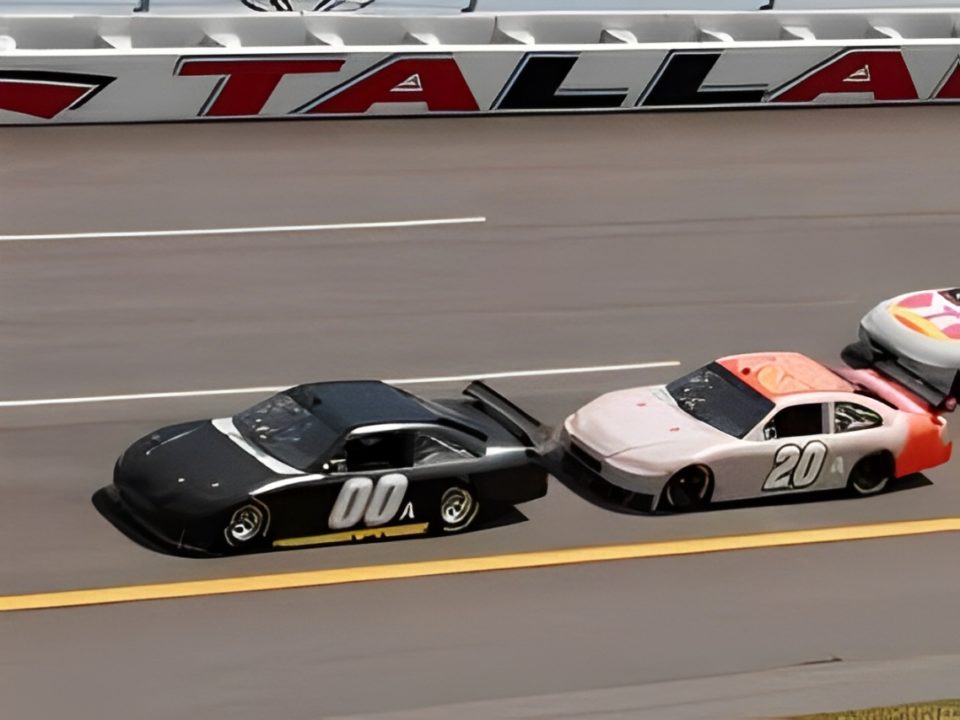
In today’s fast-paced world, we’re constantly chasing something—success, wealth, recognition, or just the next item on our never-ending to-do list. We wake up to alarms, rush through breakfast, speed through traffic, and race to meet deadlines, all while checking our phones for the latest updates. It’s as if we’ve turned our lives into a NASCAR track, where every second counts, and slowing down feels like losing the race. But what if life isn’t meant to be lived at full throttle? What if slowing down actually helps us get further in the long run?
The Illusion of Productivity
Many of us equate speed with productivity. We believe that the faster we work, the more we accomplish. But studies suggest otherwise. Multitasking, a common byproduct of our need for speed, often leads to lower efficiency and increased stress. Our brains aren’t designed to juggle multiple complex tasks at once, and when we try, we end up making more mistakes and retaining less information.
In contrast, focusing on one task at a time, at a steady pace, not only improves performance but also enhances creativity and problem-solving abilities. Slowing down allows our minds to process information more thoroughly, leading to better decisions and more meaningful outcomes.
The Cost of Constant Acceleration
Living life at breakneck speed takes a toll on our physical and mental health. Chronic stress, anxiety, and burnout are just a few of the consequences of never taking a break. The pressure to always be “on” leaves little room for relaxation, self-care, or deep connections with loved ones.
Our relationships also suffer when we treat life like a race. Meaningful conversations and genuine connections require time and presence, two things that are often sacrificed in the pursuit of constant motion. How often do we rush through conversations, barely listening, because our minds are already racing toward the next task? Slowing down allows us to truly engage, fostering deeper and more fulfilling relationships.
Learning from Slow Cultures
In many cultures, taking life at a slower pace is not only accepted but celebrated. The Italian concept of “dolce far niente” (the sweetness of doing nothing) encourages people to savor the moment rather than always striving for the next achievement. In Japan, “ikigai” emphasizes finding joy and purpose in daily activities, rather than rushing toward an undefined end goal.
Scandinavian countries practice “hygge,” which focuses on coziness, comfort, and enjoying simple pleasures. These cultures have some of the highest levels of happiness and life satisfaction, proving that slowing down doesn’t mean falling behind—it means living better.
How to Embrace the Slow Lane
If life isn’t a NASCAR track, how can we start living differently? Here are a few simple ways to slow down and reclaim balance:
Practice Mindfulness – Focus on the present moment. Whether you’re eating, walking, or working, fully immerse yourself in the experience rather than thinking about what’s next.
Set Boundaries – Protect your time. Avoid overloading your schedule and learn to say no to unnecessary commitments.
Unplug Regularly – Take breaks from screens and notifications. Allow yourself time to think, reflect, and simply be.
Prioritize Quality Over Quantity – Instead of doing more, focus on doing things well. Invest time in meaningful activities and relationships.
Embrace Rest and Leisure – Rest is not a luxury; it’s a necessity. Sleep, relaxation, and hobbies are crucial for overall well-being.
Conclusion
Life isn’t about reaching the finish line first; it’s about enjoying the journey. Speeding through every moment only ensures that we miss the beauty along the way. By choosing to slow down, we give ourselves the gift of clarity, deeper connections, and a healthier, more fulfilling life. So, take a breath, ease off the gas pedal, and enjoy the ride—because life isn’t a NASCAR track, and you don’t have to race to win.
