
For centuries, European museums have been filled with artifacts, artworks, and cultural objects taken from colonized lands. These institutions have long been viewed as symbols of knowledge and preservation, but they also carry a legacy of imperialism and exploitation. In recent years, the push for decolonization has forced museums across Europe to confront this painful history, reevaluate their collections, and make significant changes in how they operate. This movement is not just about returning stolen artifacts; it is about transforming the very foundation of these institutions and redefining their role in a post-colonial world.
The Historical Burden of European Museums
Many of Europe’s most prestigious museums, including the British Museum, the Louvre, and the Humboldt Forum, house vast collections of objects acquired during colonial rule. These artifacts were often taken under questionable circumstances, either through looting, forced exchanges, or exploitative trade agreements. For decades, museums have defended their ownership by arguing that they serve as global custodians of culture, preserving artifacts for future generations. However, this argument has been increasingly challenged by nations demanding the return of their cultural heritage.
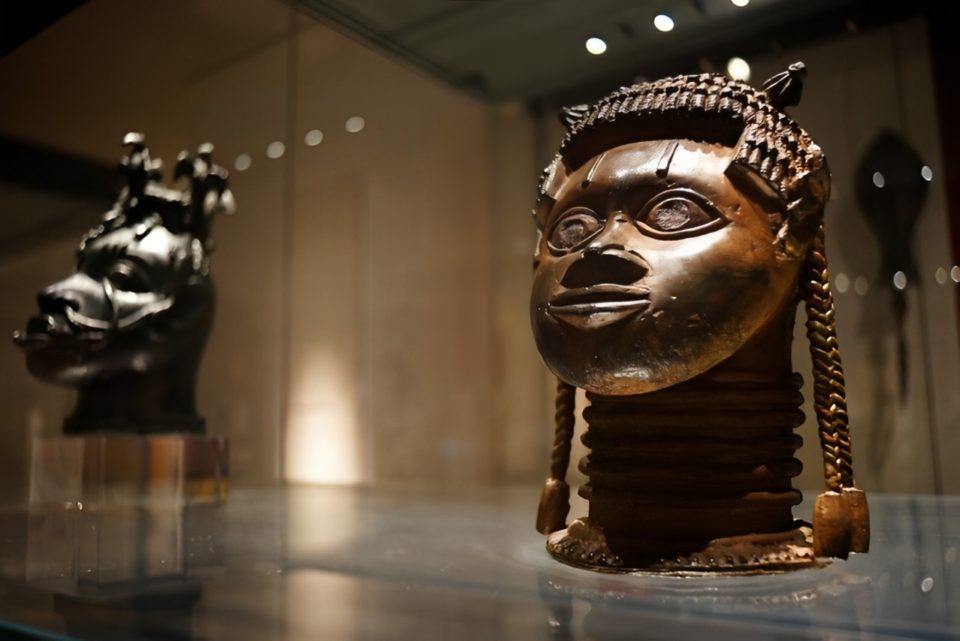
One of the most well-known cases is the Benin Bronzes, a collection of thousands of metal plaques and sculptures taken from the Kingdom of Benin (modern-day Nigeria) by British forces in 1897. These artifacts are now scattered across museums in Europe and the United States, and their return has become a key issue in the decolonization debate. Similarly, Greece has long demanded the return of the Parthenon Marbles from the British Museum, while Egypt continues to push for the repatriation of the Rosetta Stone.
Steps Toward Decolonization
Decolonization in museums goes beyond repatriation. It involves a fundamental shift in how museums present history, engage with source communities, and acknowledge the colonial violence behind their collections. Some of the major steps being taken include:
Repatriation of Artifacts: Many museums have started returning looted objects to their countries of origin. In 2021, France returned 26 stolen artifacts to Benin, while Germany agreed to return hundreds of Benin Bronzes to Nigeria. These acts represent a growing recognition that stolen heritage must be returned.
Reframing Narratives: Museums are increasingly revising their exhibitions to include the perspectives of formerly colonized peoples. Instead of glorifying European explorers and collectors, institutions are acknowledging the violent histories behind their collections. The Rijksmuseum in Amsterdam, for example, has introduced new exhibitions that critically examine Dutch colonial history.
Collaborating with Source Communities: Some museums are engaging with indigenous and local communities to co-curate exhibitions and ensure that their stories are told authentically. The Humboldt Forum in Berlin has begun working with representatives from African nations to decide how their artifacts should be displayed.
Decolonial Education and Public Engagement: Museums are launching programs to educate the public about colonial history and its lasting impacts. Through workshops, lectures, and interactive displays, they aim to challenge Eurocentric narratives and foster greater understanding of global histories.
The Resistance to Change
Despite growing momentum, decolonization efforts in European museums have faced resistance. Some argue that returning artifacts will empty museums and deprive the public of cultural treasures. Others claim that artifacts are safer in European institutions, where they are preserved under optimal conditions. There is also the concern that repatriation could set a precedent leading to widespread demands for the return of cultural objects, potentially destabilizing museum collections.
Political opposition has also played a role in slowing decolonization efforts. Some European governments have been reluctant to fully support repatriation efforts, fearing diplomatic tensions or losing valuable cultural assets. However, the increasing international pressure and ethical considerations are making it difficult for museums to ignore these demands.
The Future of European Museums in a Decolonized World
The decolonization of museums is not a passing trend; it represents a profound transformation in how cultural institutions function. As more artifacts are returned, museums will need to rethink their missions, focusing less on possession and more on collaboration, education, and ethical stewardship. The future of museums may involve more traveling exhibitions, partnerships with global institutions, and digital access to collections rather than ownership of physical objects.
Additionally, decolonization is prompting museums to engage more critically with their audiences. By embracing uncomfortable truths and fostering dialogue, they can become spaces for learning and reconciliation rather than mere showcases of colonial spoils. The changes taking place today will shape the museums of tomorrow, ensuring that they reflect a more just and inclusive view of world history.
Conclusion
Decolonization is reshaping European museums in fundamental ways, forcing them to confront their colonial past and redefine their purpose. While repatriation is a crucial step, the broader goal is to create institutions that honor the dignity and rights of all cultures. The resistance to change is strong, but the momentum for decolonization continues to grow, driven by activists, scholars, and nations seeking justice.
Museums must evolve beyond being keepers of the past; they must become platforms for truth, healing, and cultural exchange. Only by embracing decolonization can they truly fulfill their role as global institutions that serve all of humanity, rather than just a privileged few.
