
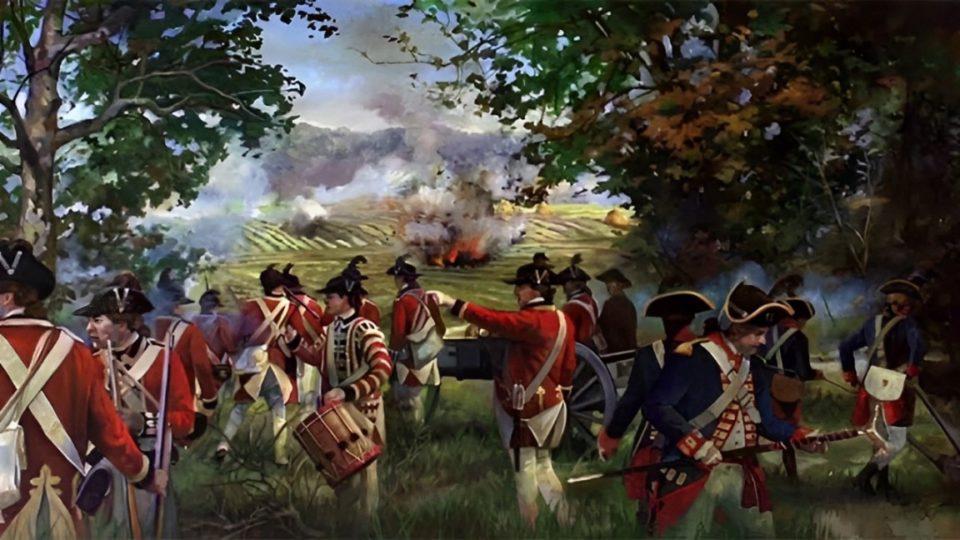
The American Revolution, a pivotal moment in world history, marked the birth of the United States as an independent nation. In the United States, it is taught with pride and reverence, highlighting the ideals of liberty and democracy. But how is this same period taught across the Atlantic in Britain, the country that was on the losing side of the conflict? Let’s explore how British schools approach this significant historical event.
The British Perspective: A Broader Context
In British schools, the American Revolution is often taught as part of a larger narrative about the expansion and transformation of the British Empire. Instead of focusing solely on the war itself, the curriculum places the conflict within the context of British history, including its causes and consequences.
Emphasis on Empire: The Revolution is typically framed as one of several challenges to British imperial power, alongside other uprisings, such as the Indian Rebellion of 1857 or Irish resistance.
Global Viewpoint: The focus is less on American independence and more on the geopolitical implications for Britain, such as the loss of a significant colony and the impact on trade and global dominance.
Less Emotional, More Analytical
Unlike in the U.S., where the Revolution is celebrated as a heroic struggle for freedom, British schools take a more neutral and analytical approach. The event is not imbued with the same emotional weight but is treated as one of many historical events that shaped the modern world.
Causes and Consequences: Lessons often focus on the causes of the war, such as taxation without representation and the Seven Years’ War, and the consequences for Britain, such as economic challenges and a shift in colonial policy.
Critical Reflection: There is also an emphasis on examining the mistakes made by Britain, such as misjudging the resolve of the American colonists or failing to adapt to guerrilla warfare tactics.
A Minor Part of the Curriculum
In the grand scheme of British history education, the American Revolution occupies a relatively small space.
Limited Time: It is often taught briefly as part of broader topics like the Enlightenment, the Industrial Revolution, or the history of colonialism.
Focus on Other Themes: British history curricula give more attention to domestic events like the Tudor era, the Industrial Revolution, and the two World Wars. The Revolution may be included, but it rarely takes center stage.
Comparing National Narratives
The way the American Revolution is taught in Britain contrasts sharply with the U.S. approach:
Heroism vs. Practicality: In the U.S., figures like George Washington and Thomas Jefferson are celebrated as heroes. In Britain, these individuals are mentioned more as actors in a historical event rather than as iconic figures.
Freedom vs. Empire: The American narrative often focuses on freedom and democracy, while the British perspective is more likely to explore the strategic and economic implications for the empire.
Student Perception
British students may not view the American Revolution with the same significance as their American counterparts. For many, it is seen as a distant event with limited relevance to their daily lives, overshadowed by more recent or impactful historical events.
Challenges in Teaching the Revolution
Teaching the American Revolution in Britain comes with unique challenges:
Balancing Perspectives: Teachers must navigate the historical reality of Britain’s defeat without casting it as a national failure.
Cultural Sensitivity: Addressing themes like colonialism and imperialism requires a nuanced understanding of their implications, both then and now.
Conclusion
The American Revolution holds a different place in British education than it does in the United States. In Britain, it is approached with an analytical and contextual lens, focusing on its broader implications for the British Empire rather than celebrating it as a defining national triumph. While the event may not be as prominent in British classrooms, it remains a critical chapter in understanding the complexities of history, colonialism, and the evolution of nations.
For students and historians alike, examining the Revolution from multiple perspectives enriches our understanding of this transformative era in global history.
