
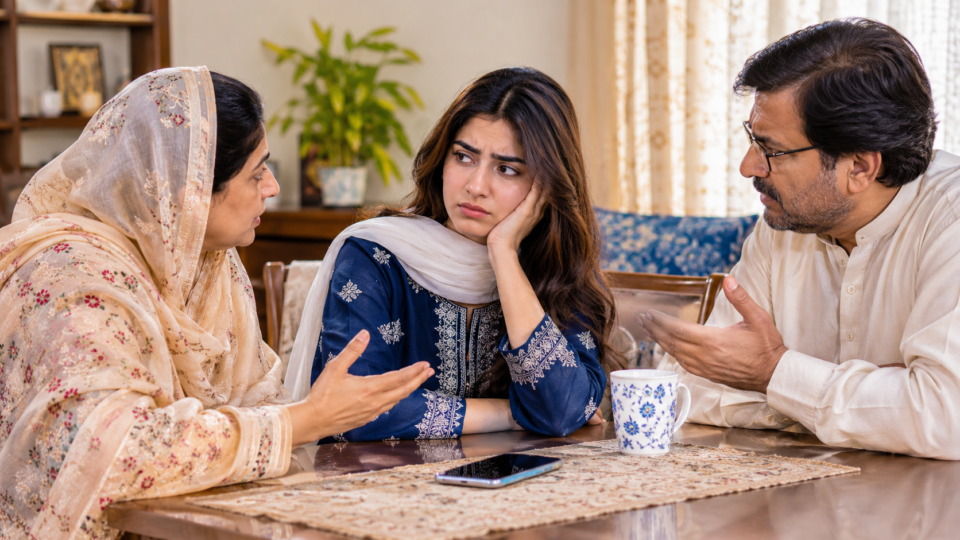
7 Powerful Reasons Why Pakistani Parents Struggle to Accept Their Children’s Choices
Have you ever wanted to choose a career your parents didn’t approve of? Or wanted to marry someone you loved, dress differently, move abroad, or simply live life according to your own decisions? If so, you’re probably familiar with a struggle experienced by many young people: trying to balance personal freedom with family expectations.
The relationship between parents and children is changing. Today’s younger generation has different ambitions, lifestyles, priorities, and ideas about independence. However, many families still follow traditional expectations, which can create misunderstandings and emotional conflicts.
So, why do Pakistani parents sometimes struggle to accept their children’s choices, even when those choices could make them happy?
The answer is not always about control. Love, fear, culture, social pressure, financial concerns, and generational differences can all influence how parents respond to their children’s decisions.
Let’s explore seven powerful reasons behind this issue and understand how parents and children can build a healthier relationship without sacrificing their values or individuality.
1. Pakistani Parents Often Worry About What Society Will Say
One of the biggest influences on family decisions is society.
In many Pakistani communities, family reputation and public opinion carry considerable importance. Parents may worry about what relatives, neighbours, friends, or other people will think if their children make unconventional choices.
For example, a young woman may want to pursue a career that her family considers unsuitable. A young man may want to marry someone outside the family’s preferred social circle. Instead of focusing entirely on whether the decision is right for their child, parents may worry about how other people will react.
This is where the famous question comes in: “Log kya kahenge?”
For some Pakistani parents, avoiding criticism becomes more important than understanding their children’s feelings. They may reject an idea simply because it does not match traditional expectations.
However, living to satisfy everyone is exhausting. Society will always have opinions, but parents and children are the ones who must live with the consequences of important personal decisions.
2. The Generation Gap Creates Different Ways of Thinking
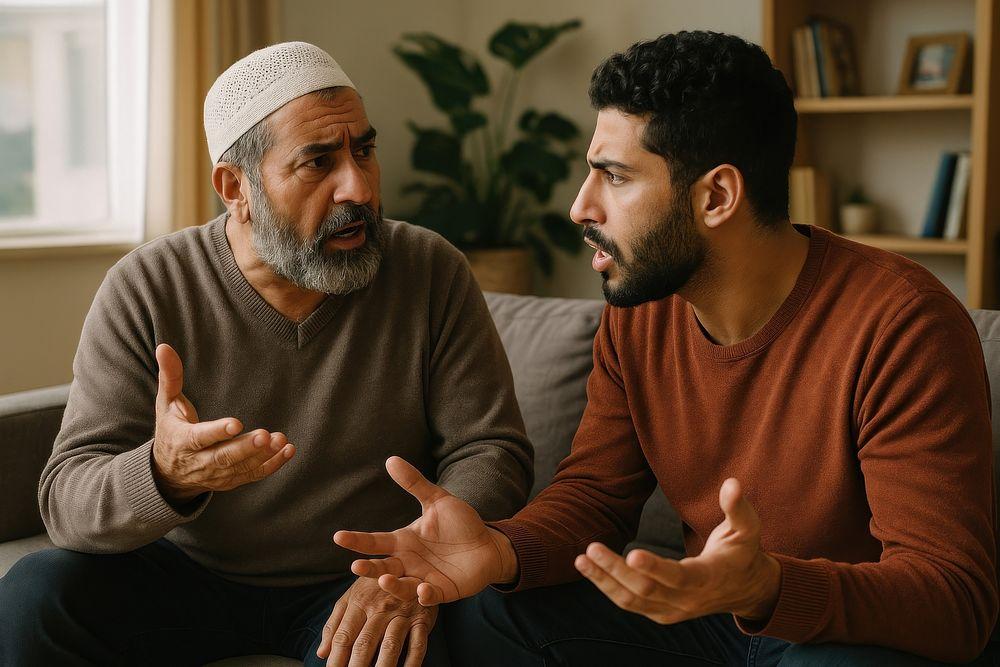
Another major reason Pakistani parents struggle to understand their children’s choices is the generation gap.
Parents and children grow up in different environments. Many parents were raised with limited career options, different social expectations, and a stronger emphasis on traditional family structures. Their children, meanwhile, have access to the internet, international education, new career opportunities, and different perspectives on life.
Consider career choices. A parent may believe that becoming a doctor, engineer, or government employee offers the safest future. Their child may want to become a content creator, designer, entrepreneur, or digital marketer.
Neither generation necessarily has bad intentions. Parents may prioritise financial security, while children may prioritise passion, creativity, and personal satisfaction.
The problem begins when both generations assume that their way of thinking is the only correct one.
Pakistani parents can benefit from understanding that the world their children are entering is not exactly the same world they experienced. Similarly, children should recognise that their parents’ concerns often come from their own life experiences.
Understanding these differences is the first step towards better communication.
3. Pakistani Parents Sometimes Confuse Love With Control
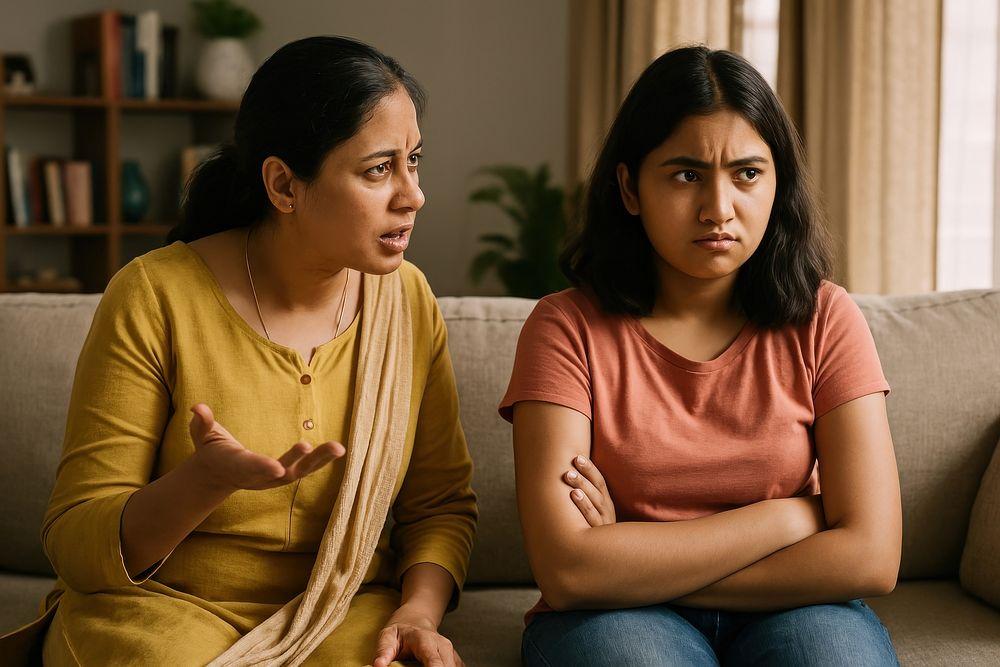
Parents naturally want to protect their children. They worry about their safety, future, reputation, and happiness. However, protection can sometimes turn into excessive control.
Some Pakistani parents want to make almost every important decision for their children, including what they study, where they work, whom they marry, and how they spend their time.
They may believe that because they have more life experience, they automatically know what is best.
But there is an important difference between guiding someone and controlling them.
Guidance gives children the opportunity to understand their options and make informed decisions. Control removes that opportunity and expects them to follow instructions without questioning them.
For example, advising a child about the financial risks of a career is helpful. Forcing them to abandon their interests without listening to their reasons can damage trust.
Pakistani parents should understand that children need opportunities to develop independence. Making mistakes, learning from experiences, and accepting responsibility are all important parts of growing up.
Love should make children feel supported, not constantly restricted.
4. Career Choices Become a Major Family Conflict
Career decisions are another common source of disagreement between Pakistani parents and their children.
Many parents want their children to choose professions that offer financial stability, social respect, and long-term security. This is understandable, particularly when families have experienced financial difficulties or made significant sacrifices for their children’s education.
However, the modern job market offers opportunities that previous generations may not fully understand.
A child might want to pursue graphic design, freelancing, online business, digital marketing, filmmaking, or another profession that does not follow a traditional career path.
Some parents may consider these choices risky or unreliable because they are unfamiliar with them.
For instance, a student who wants to become a YouTuber may face criticism from parents who believe only conventional professions can provide a respectable future.
Instead of immediately rejecting these ambitions, Pakistani parents can ask questions, understand the career path, and discuss realistic financial expectations.
Children should also demonstrate responsibility by researching their chosen fields, developing practical skills, and preparing realistic plans.
A healthy discussion about career choices should involve both parental experience and the child’s ambitions.
5. Pakistani Parents May Struggle With Love Marriage and Personal Relationships
Marriage is one of the most sensitive subjects in many Pakistani families.
Although attitudes differ between households and communities, some parents strongly prefer arranged marriages because they trust family involvement, shared backgrounds, and established social connections.
Their children, however, may want to choose their own life partners.
This difference can create serious emotional pressure.
Some Pakistani parents worry that their children might make emotional decisions without considering long-term compatibility, financial stability, family values, or future responsibilities.
These concerns deserve a respectful conversation. However, rejecting a relationship simply because the child made the choice independently can create resentment and weaken family trust.
Marriage is a lifelong commitment, so the people entering that relationship should have a meaningful say in the decision.
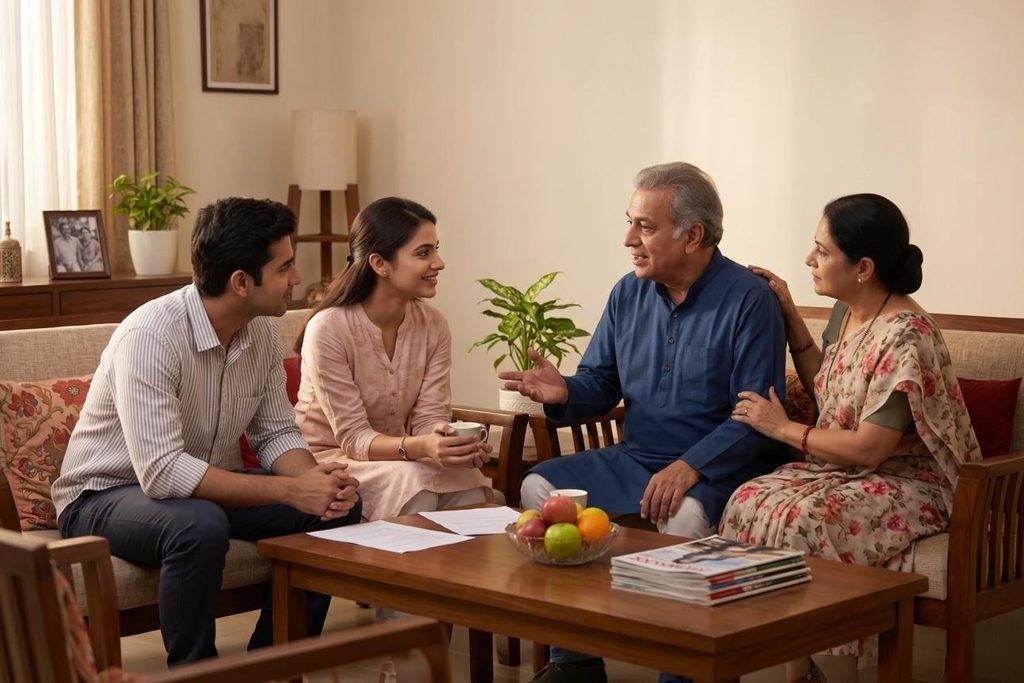
Parents can offer advice, raise genuine concerns, and help their children evaluate compatibility. But listening is just as important as advising.
A successful family relationship requires respect from both generations, especially when discussing marriage and personal relationships.
6. Family Traditions and Cultural Expectations Can Make Change Difficult
Traditions play an important role in many Pakistani households. They connect generations, preserve family identity, and provide a sense of belonging.
However, problems can arise when traditions are treated as rules that can never be questioned.
For example, some families expect children to follow specific educational paths, maintain particular lifestyles, or prioritise family expectations over individual ambitions.
When children express different opinions, parents may interpret those differences as disrespect or rejection of their upbringing.
But having different opinions does not necessarily mean rejecting family values.
A person can respect their culture while choosing a different career. They can value their parents while wanting more independence. They can appreciate family traditions without agreeing with every expectation.
Pakistani parents should recognise that cultural values and personal freedom do not always have to compete.
Traditions can evolve while families continue to preserve the values that matter most to them.
7. Pakistani Parents May Find It Difficult to Accept That Their Children Are Growing Up
Perhaps the most emotional reason behind this issue is the difficulty of letting go.
For parents, children are often the little people they once protected, guided, and made decisions for. Watching them become independent adults can be emotionally challenging.
Some Pakistani parents struggle to accept that their children are now capable of making important decisions without constant supervision.
They may interpret independence as distance, disagreement as disrespect, or personal boundaries as a lack of love.
However, growing up naturally changes the parent-child relationship.
Children eventually need space to make their own decisions, develop relationships, pursue careers, and build independent lives.
This does not mean they stop loving or respecting their parents.
In fact, a healthy relationship often becomes stronger when parents allow their adult children to take responsibility for their choices.
Parents do not lose their importance when children become independent. Their role simply changes from making decisions to offering guidance and support.
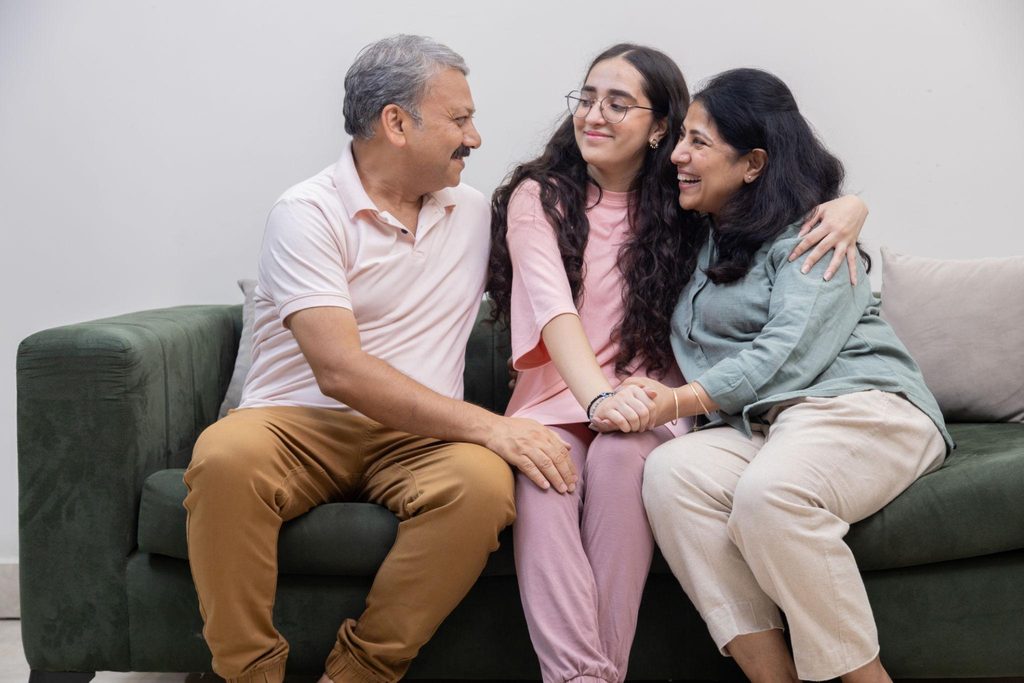
How Can Pakistani Parents and Children Understand Each Other?
Understanding the reasons behind disagreements is important, but families also need practical ways to improve their relationships.
Here are some steps that can help Pakistani parents and children communicate more effectively.
1. Start With Honest Communication
Many family conflicts become worse because people avoid discussing their real feelings.
Children should explain why a particular decision matters to them instead of responding with anger. Parents should listen without immediately criticising or dismissing their children’s opinions.
Honest conversations can prevent misunderstandings and help both generations understand each other’s concerns.
2. Parents Should Listen Before Judging
Pakistani parents should give their children an opportunity to explain their decisions.
Instead of immediately saying no, parents can ask questions, understand the reasoning, and discuss possible risks.
Listening does not mean agreeing with everything. It simply means taking children’s thoughts seriously.
For more guidance on building positive family relationships, explore UNICEF’s positive parenting resources.
3. Children Should Recognise Their Parents’ Concerns
Independence also comes with responsibility.
Children should understand that parents may worry about financial security, safety, social consequences, and long-term stability.
Explaining a decision with a realistic plan can make it easier for parents to understand and accept.
4. Respect Should Be Mutual
Respect should not be a one-way expectation.
Children should respect their parents’ experiences and concerns. At the same time, parents should respect their children’s individuality, opinions, and personal boundaries.
A healthy family relationship requires both generations to feel heard and valued.
5. Accept That Disagreements Are Normal
Not every family member will have the same opinion about education, marriage, careers, or lifestyle.
Disagreement does not automatically mean a family relationship is broken.
The goal should not be to eliminate every difference of opinion. It should be to discuss those differences without insults, threats, humiliation, or unnecessary emotional pressure.
What Happens When Pakistani Parents Don’t Accept Their Children’s Choices?
When children repeatedly feel unheard, the consequences can go beyond ordinary disagreements.
They may begin hiding their decisions, avoiding meaningful conversations, or feeling uncomfortable sharing personal experiences with their families.
Over time, this can create emotional distance.
Some children may follow choices they do not genuinely want simply to avoid disappointing their parents. Others may make important decisions without involving their families because they expect rejection.
Neither situation creates a healthy environment for long-term trust.
Pakistani parents should understand that children who feel respected are often more comfortable seeking advice and sharing their problems.
Similarly, children should recognise that maintaining a good relationship requires patience, honesty, and consideration for their parents’ feelings.
Family connections become stronger when people feel safe enough to express themselves.
Are Pakistani Parents Always Wrong?
It is important to look at this issue from both perspectives.
Not every parental concern is unreasonable, and not every decision made by a child is automatically right.
Parents have life experience that can help children avoid certain mistakes. They may recognise financial risks, relationship problems, or practical challenges that younger people have not considered.
At the same time, experience does not mean parents will always understand modern opportunities or know exactly what will make their children happy.
The best approach is to combine parental guidance with personal independence.
Pakistani parents should be willing to learn from their children, just as children can learn from their parents.
A healthy relationship is not about one generation winning an argument. It is about finding solutions that consider everyone’s feelings, responsibilities, and future.
Conclusion: Pakistani Parents and Children Need Understanding, Not Constant Conflict
The struggle between parental expectations and children’s choices is not simply a matter of old thinking versus modern thinking. It is often a combination of love, fear, culture, social pressure, and different life experiences.
Pakistani parents may want to protect their children from mistakes, while children want the freedom to make decisions about their own futures.
Both perspectives deserve to be heard.
Parents should understand that their children are individuals with their own ambitions, interests, and personalities. Children should also recognise the sacrifices, concerns, and experiences that influence their parents’ decisions.
Ultimately, Pakistani parents do not have to agree with every choice their children make, and children do not have to follow every expectation to prove their love.
The strongest families are not those where everyone thinks alike. They are the ones where people can disagree, communicate honestly, and still respect one another.
Sometimes, the greatest thing parents can give their children is not another instruction, but the confidence to build a life of their own.
For more articles like this visit our website MediaRay
