
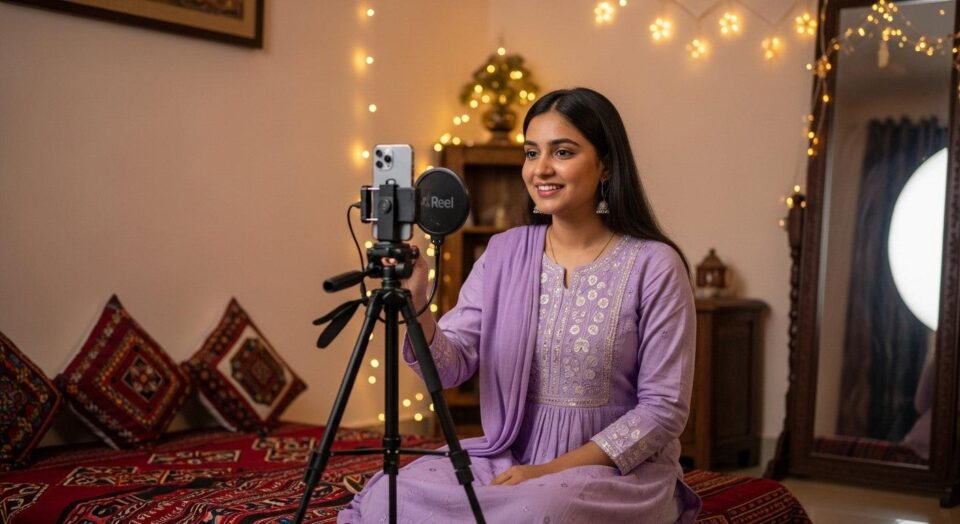
Traditional Values vs Modern Thinking: Is Pakistan’s Youth Changing Too Fast?
Pakistan is experiencing a noticeable cultural shift. From fashion and education to relationships, career choices, and social media, the younger generation is challenging ideas that previous generations once considered unquestionable. What was once viewed as unusual is gradually becoming normal, while traditional expectations are increasingly being questioned.
This transformation has created an important debate: Traditional Values vs Modern Thinking — is Pakistan’s younger generation moving forward, or changing too fast?
For some people, today’s youth represent progress, confidence, and independence. They are more educated, digitally connected, and willing to express their opinions. Others believe that changing lifestyles are weakening family relationships, cultural identity, and respect for traditions.
The reality is more complicated than choosing one side. Pakistan needs a generation that understands its roots while remaining prepared for the future. The real question is not whether young people should change, but how they can embrace modern opportunities without losing the values that give society its identity.
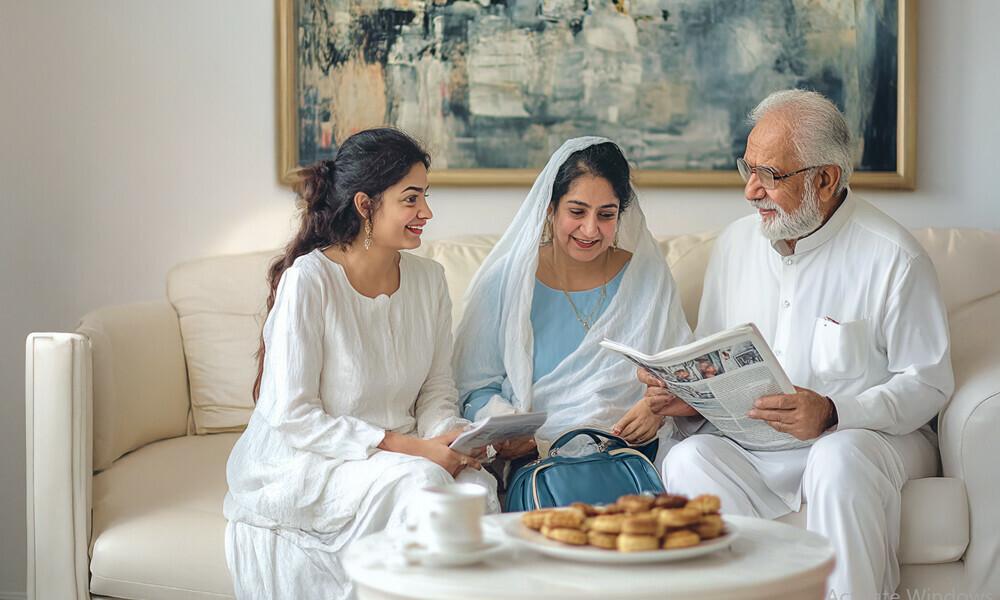
Traditional Values vs Modern Thinking: Understanding the Generation Gap
The difference between generations has always existed, but technology and globalization have made it more visible than ever. Parents who grew up in a society with clearly defined social expectations are now raising children in a world where information, lifestyles, and opinions travel across borders within seconds.
Traditional Pakistani values generally emphasize family relationships, respect for elders, modesty, community responsibilities, religious beliefs, and collective decision-making. These principles have played an important role in shaping families and communities across the country.
Modern thinking, on the other hand, often focuses on personal independence, individual rights, gender equality, professional development, open communication, and freedom of expression.
The debate surrounding Traditional Values vs Modern Thinking becomes difficult when these principles appear to conflict. For example, a young person may want to choose a career based on personal interests, while their parents may prefer a profession they consider financially secure or socially respectable.
Neither generation necessarily has bad intentions. Parents may be concerned about their children’s future, while young people may simply want the freedom to make decisions about their own lives.
Understanding these differences is the first step toward reducing the generation gap.
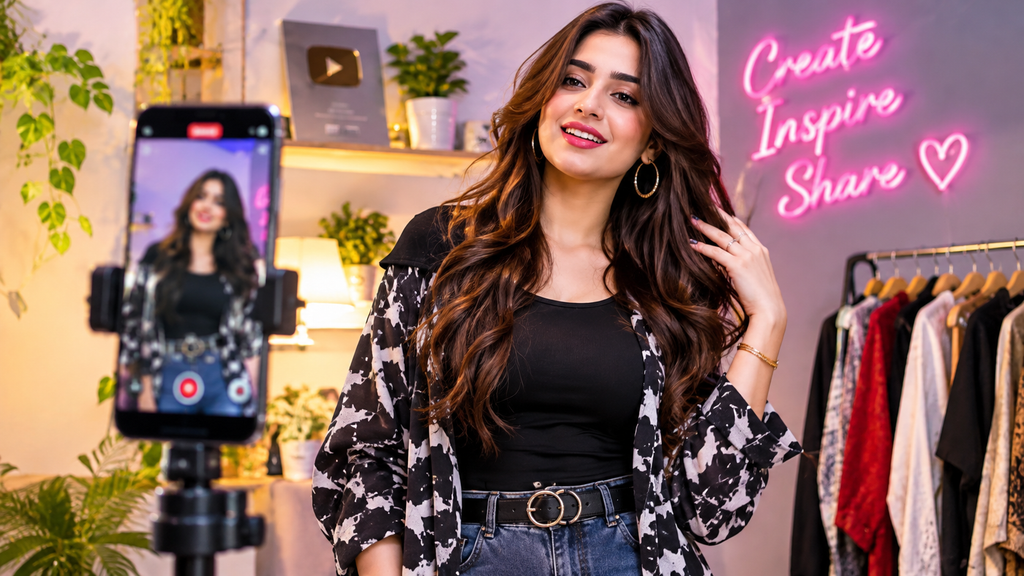
1. Social Media Is Changing the Mindset of Pakistani Youth
Social media has become one of the strongest influences on Pakistan’s younger generation. Platforms such as Instagram, TikTok, YouTube, and Facebook expose young people to different cultures, lifestyles, fashion trends, and opinions.
In the past, family and local communities were among the primary sources of information about acceptable behavior. Today, young people can observe how people live in dozens of countries without leaving their homes.
This exposure has changed how they think about success, relationships, appearance, careers, and personal freedom.
Social media has also encouraged young people to question traditional expectations. They see women building independent careers, young entrepreneurs launching businesses, and individuals openly discussing subjects that were once considered difficult to talk about.
However, the influence is not entirely positive. Constant exposure to carefully edited lifestyles can create unrealistic expectations. Some young people begin comparing their ordinary lives with the expensive vacations, fashionable clothes, and seemingly perfect relationships displayed online.
In the debate of Traditional Values vs Modern Thinking, social media can be both a source of progress and a reason for concern. It provides opportunities to learn and grow, but it also makes it important to develop critical thinking and responsible digital habits.
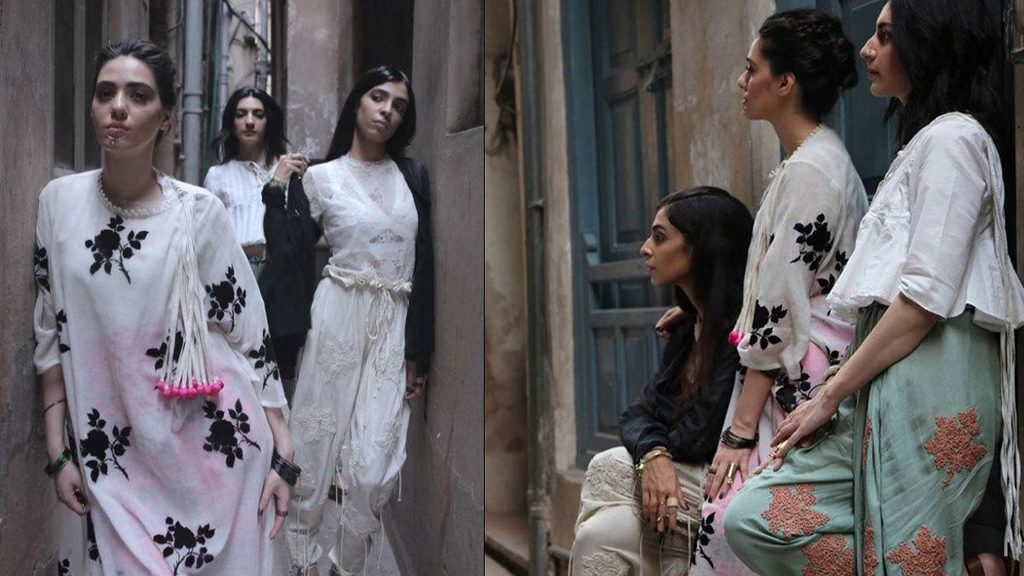
2. Changing Fashion and Lifestyle: Are Young People Becoming Too Modern?
Fashion is one of the most visible areas where cultural differences appear. Clothing choices among Pakistani youth have become more diverse, influenced by international fashion, celebrities, influencers, and digital trends.
Traditional clothing such as shalwar kameez remains popular, but young people are also experimenting with different styles, hairstyles, accessories, and modern outfits.
For some families, these changes are simply a matter of personal preference. For others, they raise concerns about cultural identity, modesty, and social expectations.
The discussion around Traditional Values vs Modern Thinking becomes particularly sensitive when clothing is treated as a measure of someone’s character. A person’s appearance alone cannot determine their values, personality, or respect for others.
It is possible to appreciate modern fashion while maintaining cultural identity. Pakistani clothing itself has evolved over generations, combining traditional designs with contemporary styles.
The important thing is to make personal choices thoughtfully rather than following every trend simply because it is popular.
3. Education and Career Choices Are Challenging Traditional Expectations
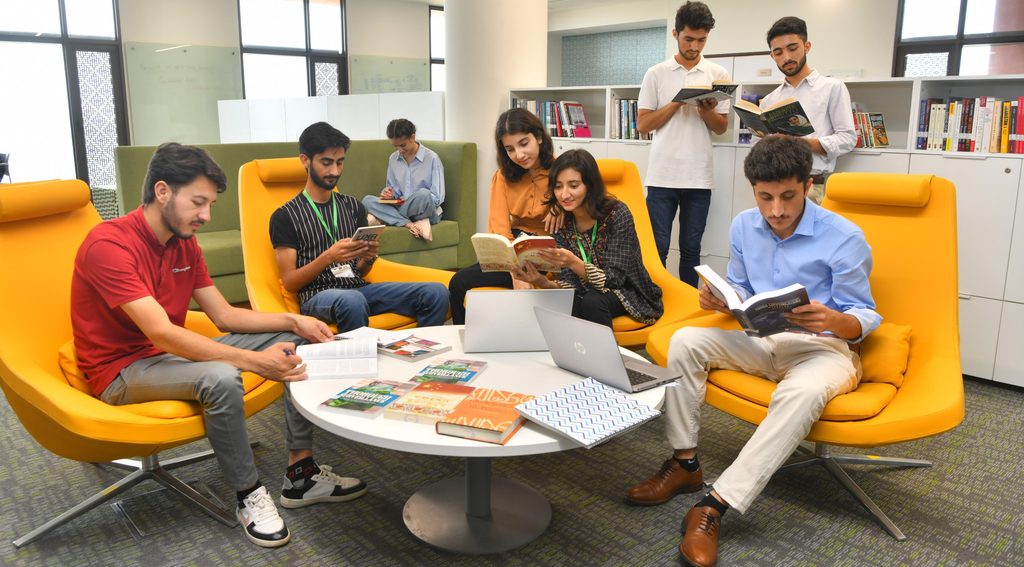
Education has played a major role in changing the mindset of Pakistan’s younger generation. More young people are pursuing higher education, professional qualifications, freelancing, entrepreneurship, and opportunities beyond traditional career paths.
Fields such as information technology, digital marketing, content creation, artificial intelligence, and online business have opened new possibilities.
However, career choices can still create disagreements within families.
Some parents prefer careers such as medicine, engineering, government service, or other professions they consider stable and prestigious. Their children, meanwhile, may be interested in creative industries, business, technology, or working independently.
This is another example of Traditional Values vs Modern Thinking.
Parents often associate professional security with long-term financial stability. Young people may prioritize passion, flexibility, innovation, or opportunities in emerging industries.
Both perspectives deserve consideration. A career should not be selected only to satisfy social expectations, but young people should also understand the financial responsibilities and risks involved in their decisions.
A healthy family environment allows parents to offer guidance without controlling every decision. Similarly, young people should respect their parents’ experience while taking responsibility for their own futures.
Education plays a major role in shaping the future of Pakistan’s younger generation. Access to quality education, professional training, and equal learning opportunities can help young people become independent and contribute to society. According to UNICEF Pakistan, improving education and opportunities for children and young people remains an important part of the country’s development. This makes education one of the strongest foundations for building a more confident and capable generation.
4. Relationships, Marriage, and Personal Freedom Are Changing
Few subjects create as much discussion in Pakistani society as relationships and marriage.
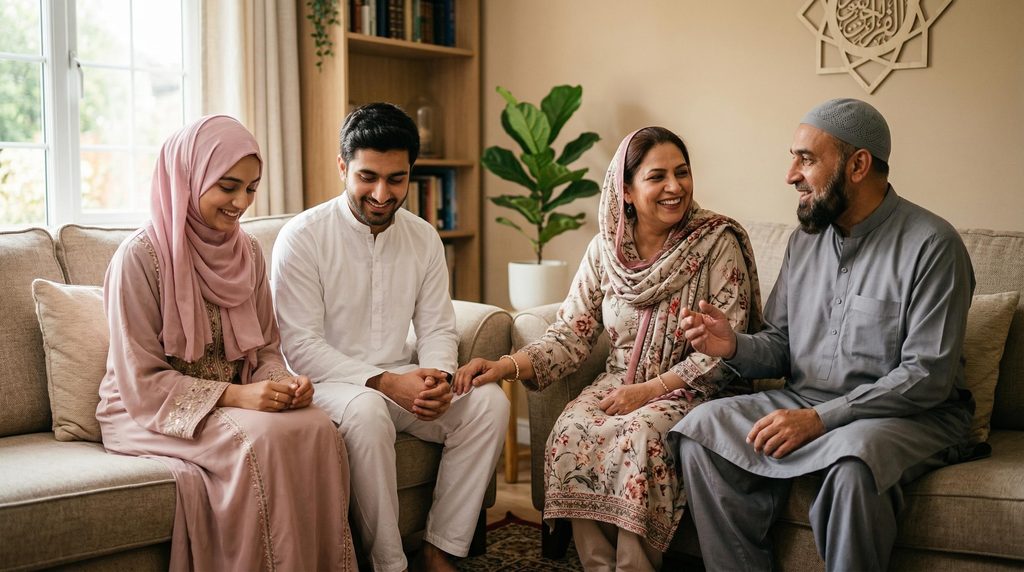
Traditionally, family involvement has played a central role in marriage decisions. Arranged marriages remain common, and many families consider compatibility between households, financial stability, religious beliefs, and family reputation when choosing a suitable match.
However, younger Pakistanis increasingly emphasize personal compatibility, emotional understanding, communication, and individual choice.
Some want to complete their education, establish careers, and become financially independent before considering marriage. Others prefer more involvement in choosing their life partners.
This shift does not necessarily mean that young people are rejecting marriage or family values. Instead, many are questioning whether long-standing practices always meet the emotional and practical needs of modern relationships.
Traditional Values vs Modern Thinking also raises important questions about consent, mutual respect, personal boundaries, and communication between partners.
A successful marriage requires more than fulfilling social expectations. It needs trust, understanding, shared responsibilities, and respect for both individuals.
Tradition can provide a meaningful foundation for marriage, but it should never be used to justify pressure, coercion, or a lack of personal choice.
5. Gender Roles: A Major Shift in Pakistani Society
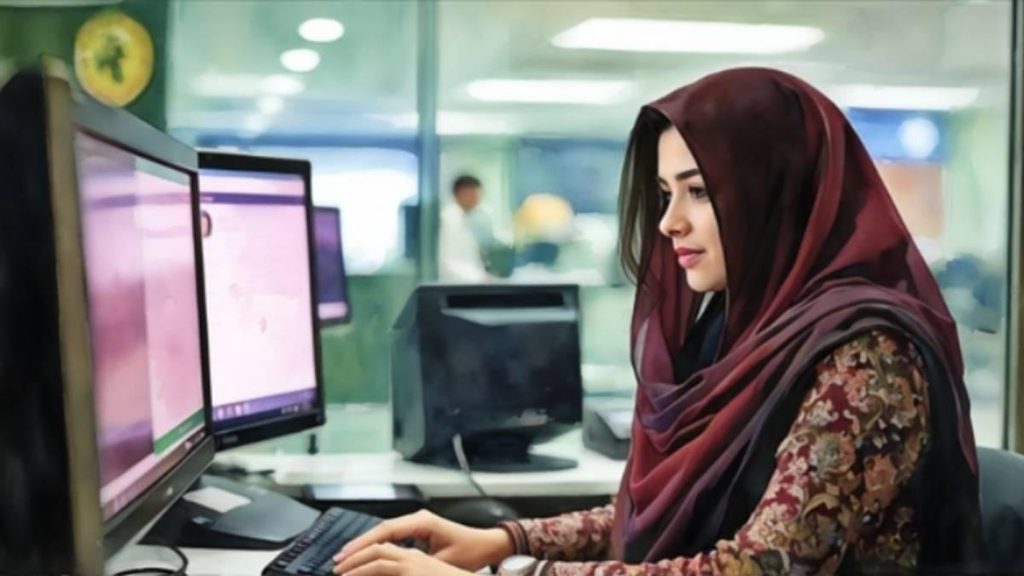
The roles of men and women have changed considerably in recent decades. Women are increasingly participating in education, business, politics, technology, and professional careers. More families are also recognizing the importance of supporting their daughters’ ambitions.
At the same time, traditional expectations about household responsibilities and family roles remain influential.
Some people believe that women should prioritize household responsibilities, while others argue that women should have the same opportunities to pursue education, careers, and personal goals as men.
Men are also experiencing changing expectations. Modern discussions increasingly encourage fathers and husbands to participate in household responsibilities, support their partners’ careers, and communicate openly about emotions.
The debate over Traditional Values vs Modern Thinking should not become a competition between men and women. A strong society benefits when everyone has opportunities to contribute according to their abilities.
Respect, responsibility, and family commitment are valuable principles. They become even stronger when combined with fairness and equal opportunities.
6. Why Parents and Young People Struggle to Understand Each Other
The generation gap is not simply about different opinions. It is also about different experiences.
Many parents grew up in an environment where family reputation, financial security, social approval, and community expectations played a major role in decision-making. Their views were shaped by the circumstances of their time.
Today’s young people face a different environment. They deal with online competition, changing job markets, international influences, rising living costs, and pressure to build successful careers.
As a result, both generations may misunderstand each other’s priorities.
Parents sometimes interpret independence as disrespect. Young people may interpret parental advice as unnecessary control. In many cases, both sides want the same thing: a secure, successful, and meaningful future.
Traditional Values vs Modern Thinking does not have to create conflict within families. Open conversations can help parents understand changing realities while allowing young people to appreciate the sacrifices and experiences of older generations.
Instead of dismissing each other’s opinions, families should create an environment where disagreements can be discussed respectfully.
7. Is Modern Thinking Making Pakistan’s Youth More Independent?
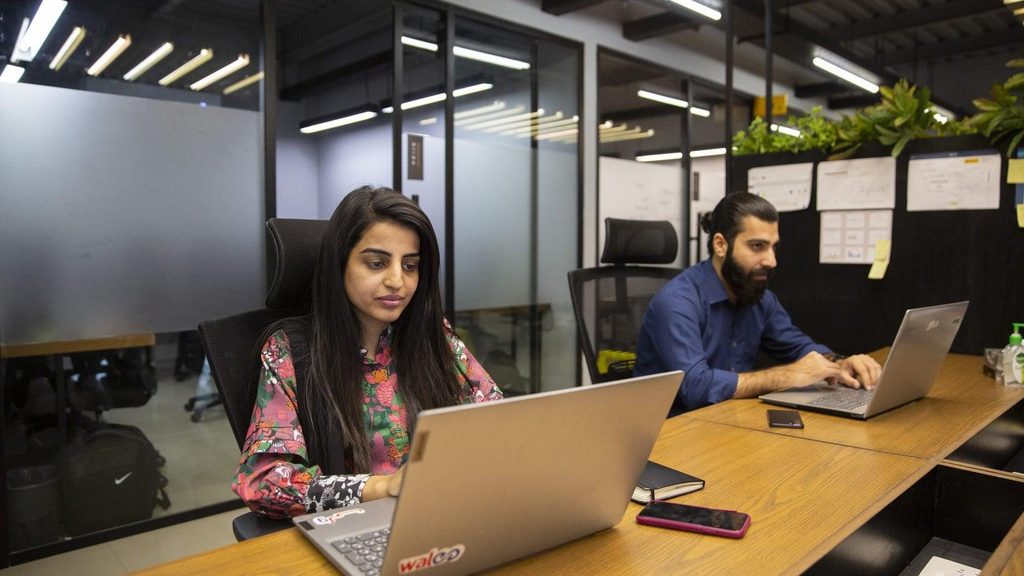
One positive outcome of changing attitudes is that many young people are becoming more confident about making decisions.
They are exploring entrepreneurship, learning new skills, questioning outdated practices, and looking for opportunities beyond their immediate communities.
Financial independence is also becoming an important goal. Young people increasingly understand that earning an income, managing money, and developing professional skills can give them greater control over their futures.
However, independence should not be confused with rejecting every form of guidance.
Making responsible decisions requires maturity, patience, and an understanding of consequences. A person can be independent while maintaining close relationships with parents, respecting elders, and contributing to family responsibilities.
The discussion of Traditional Values vs Modern Thinking should therefore focus on responsible independence rather than complete freedom without accountability.
Economic opportunities and professional development are essential for helping young people achieve independence. As Pakistan’s economy changes, education, skills development, entrepreneurship, and access to employment become increasingly important. The World Bank’s Pakistan country overview provides useful information about the country’s economic conditions and development challenges. These issues demonstrate why empowering young people is essential for Pakistan’s long-term progress.
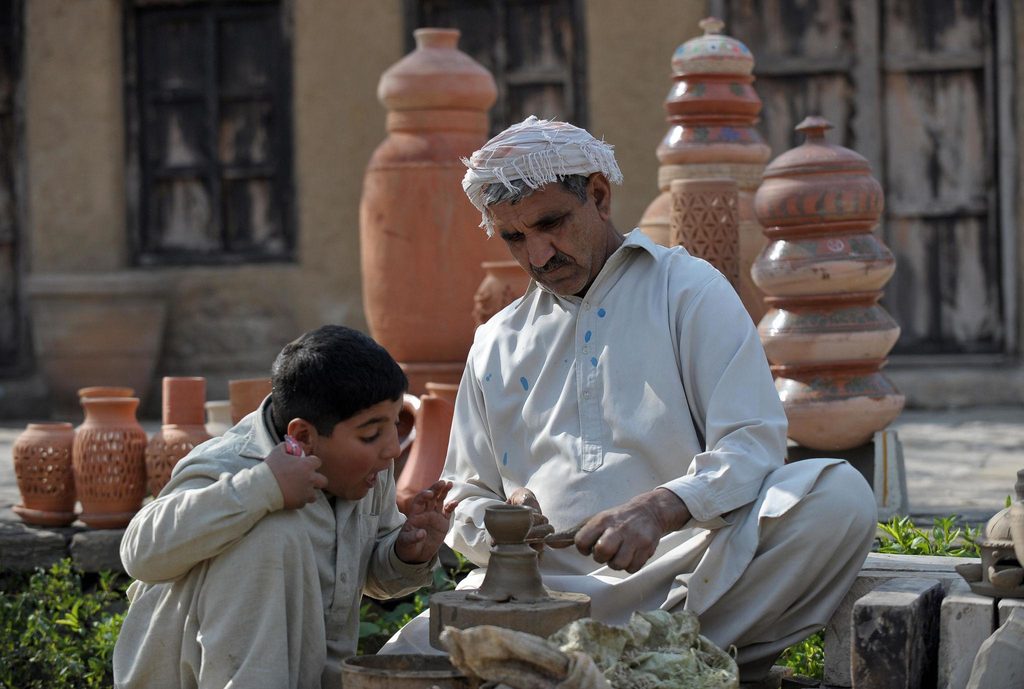
8. Are We Losing Our Cultural Identity?
One of the biggest concerns about rapid social change is the possibility of losing cultural identity.
Pakistan has a rich cultural heritage shaped by different languages, regional traditions, clothing, music, food, literature, and religious and family practices.
From Punjabi traditions and Sindhi culture to Pashtun hospitality and Balochi heritage, the country has many identities that deserve recognition and preservation.
Globalization has introduced new lifestyles and influences, but embracing international trends does not automatically mean abandoning local culture.
Young Pakistanis can learn international languages while speaking their mother tongues. They can pursue modern careers while celebrating traditional festivals. They can enjoy contemporary entertainment while appreciating Pakistani literature, music, and history.
Traditional Values vs Modern Thinking should not be presented as a choice between living in the past and accepting everything new.
Cultural identity is not something that must remain frozen. It can grow and evolve while preserving the principles, traditions, and heritage that matter most.
Pakistan’s cultural identity is also reflected in its beautiful regions, traditions, and seasonal celebrations. From the breathtaking landscapes of the northern areas to the unique experiences offered by different destinations, every region contributes something special to the country’s heritage. If you enjoy exploring Pakistan’s culture and destinations, read our guide to Hunza vs Skardu: Blossom Season and discover what makes these two destinations special.
9. Finding the Right Balance Between Tradition and Progress
Pakistan’s future should not depend on one generation defeating another. Instead, it should depend on finding common ground.
Traditional values can provide guidance, a sense of belonging, family support, and social responsibility. Modern thinking can encourage innovation, education, equality, critical thinking, and personal development.
Both have strengths, and both can be questioned when they create unnecessary restrictions or harmful expectations.
A balanced approach requires:
- Respecting family relationships: Independence should not mean ignoring the people who care about us.
- Supporting education: Young people should have opportunities to learn, develop skills, and make informed decisions.
- Encouraging open communication: Parents and children should discuss disagreements without insults, threats, or unnecessary pressure.
- Preserving cultural heritage: Language, traditions, history, and meaningful customs deserve protection.
- Promoting equality and responsibility: Everyone should have opportunities while remaining accountable for their actions.
- Thinking critically: Not every traditional practice is automatically right, and not every modern trend is automatically beneficial.
The goal should be thoughtful progress rather than change for the sake of appearing modern.
Conclusion: Traditional Values vs Modern Thinking — Is Pakistan Changing Too Fast?
Pakistan’s younger generation is undoubtedly changing. Its attitudes toward education, careers, fashion, relationships, gender roles, and personal freedom are different from those of previous generations.
But does that mean the country is changing too fast?
Not necessarily. Social change is a natural part of development. Every generation adapts to the opportunities and challenges of its time. The real concern should not be change itself, but whether that change is happening with awareness, responsibility, and respect.
The debate over Traditional Values vs Modern Thinking should not force Pakistanis to choose between their cultural identity and their future. A society can preserve its family bonds, cultural heritage, and meaningful traditions while welcoming education, innovation, individual rights, and new opportunities.
Pakistan’s younger generation does not need to abandon its roots to move forward. Similarly, older generations do not need to reject every new idea to preserve their values.
Perhaps the real solution is simple: keep the traditions that make society stronger, question the practices that hold people back, and welcome modern ideas that genuinely improve people’s lives.
Progress should not mean forgetting where we come from. It should mean knowing our roots while having the courage to build a better future.
For more interesting discussions about Pakistani society, culture, lifestyle, travel, and changing trends, explore more stories and articles on MediaRay.blog.
