

Why Do We Miss People Who Hurt Us? 10 Psychological Reasons Behind Emotional Attachment
Have you ever missed someone who caused you pain? Someone who disappointed you, broke your trust, ignored your feelings, or made you question your self-worth? You know that person was not good for your emotional well-being, yet a part of you still wishes they would come back. It sounds confusing, doesn’t it?
The truth is that missing someone who hurt you is more common than you might think. Emotions do not always follow logic. Even when your mind understands that a relationship was unhealthy, your heart may continue holding on to the memories, familiar routines, and emotional connection you once shared.
But why do we miss people who hurt us? Why is it so difficult to forget someone who gave us more pain than happiness? And why do we sometimes want the attention of someone we know we are better without?
There are several psychological and emotional reasons behind these feelings. Understanding them can help you stop blaming yourself, recognize unhealthy attachment patterns, and begin moving toward emotional healing.
Let’s explore 10 reasons why we miss people who hurt us.

1. Emotional Attachment Does Not Disappear Overnight
One of the biggest reasons we miss people who hurt us is emotional attachment.
When you spend months or years with someone, your mind becomes accustomed to their presence. You develop habits, routines, expectations, and emotional connections. You may become used to receiving their messages every morning, talking to them before sleeping, or sharing even the smallest details of your day.
When that connection suddenly disappears, it leaves an emotional gap.
Even if the relationship was unhealthy, your brain may still associate that person with comfort and familiarity. This is why you can understand that someone hurt you while still feeling emotionally connected to them.
Emotional attachment takes time to fade. Ending a relationship does not automatically erase the feelings, memories, and habits built during that time.
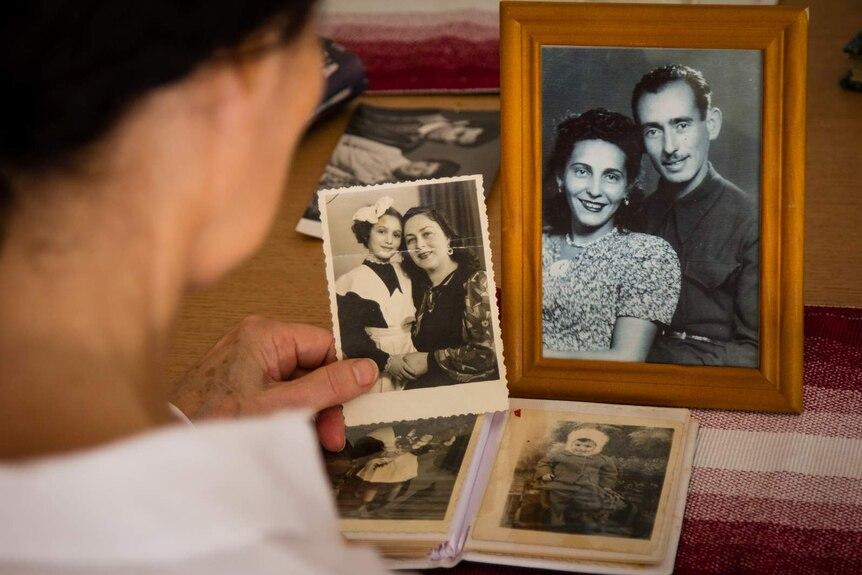
2. You Miss the Good Memories More Than the Person
Sometimes, you do not actually miss the person. You miss the version of them you first met.
You remember the beautiful conversations, unexpected surprises, late-night calls, laughter, and moments when everything felt perfect. These memories can become so powerful that they overshadow the negative experiences.
When you miss people who hurt us, it is easy to focus on the relationship’s happiest moments while temporarily forgetting everything that went wrong.
You might remember how they made you smile but forget how many nights you spent crying because of them.
This happens because emotional memories can influence how we understand our past. We often revisit meaningful experiences, especially when we feel lonely or emotionally vulnerable.
A helpful reminder: Remembering the good moments does not mean the relationship was healthy. Someone can have beautiful qualities and still treat you in ways you do not deserve.

3. You Become Attached to the Hope of Who They Could Be
Another reason people struggle to move on is that they become attached to someone’s potential rather than their actual behavior.
Perhaps they promised to change. Maybe they said they would become more understanding, communicate better, or stop repeating the same mistakes.
You kept believing that things would eventually improve.
You imagined a future where they finally understood your feelings, appreciated your efforts, and treated you with the love you wanted.
This hope can become stronger than reality.
You may not be missing how they actually treated you. Instead, you may be missing the person you hoped they would become.
When we miss people who hurt us, we sometimes hold on because we are emotionally invested in a future that never happened.
However, a relationship should not depend entirely on someone’s promises. Consistent actions, respect, honesty, and emotional responsibility matter much more than temporary changes.

4. Loneliness Makes You Remember Them Again
Loneliness can make even painful relationships look attractive.
Think about those moments when you return home after a difficult day, see couples spending time together, or have nobody to share exciting news with.
Suddenly, you remember someone who once occupied an important place in your life.
You might feel tempted to message them, check their social media, or revisit old conversations.
This does not necessarily mean you want the relationship back. Sometimes, you simply want someone familiar to fill the emotional space.
Loneliness can make us miss people who hurt us because familiarity feels easier than starting again.
However, being alone is not always worse than being with someone who constantly makes you feel unwanted.
Learning to enjoy your own company, reconnecting with friends, and developing meaningful interests can help reduce the emotional dependence on a past relationship.

5. Your Brain Becomes Used to the Emotional Rollercoaster
Some relationships involve repeated cycles of affection, arguments, distance, apologies, and reconciliation.
One day, everything feels wonderful. The next day, you are dealing with disappointment, confusion, or emotional distance.
When affection and attention arrive unpredictably, the relationship can become particularly difficult to leave.
This pattern is sometimes discussed in connection with intermittent reinforcement, a psychological concept in which unpredictable rewards can strengthen repeated behavior.
For example, if someone ignores you for days and suddenly returns with affection, that unexpected attention may feel extremely rewarding.
You begin waiting for the next good moment.
In certain harmful relationships, repeated cycles of mistreatment followed by affection can also contribute to what people describe as trauma bonding. However, not every difficult breakup or emotional attachment is a trauma bond.
When we miss people who hurt us, it is worth asking whether we genuinely miss the relationship or have become accustomed to its unpredictable emotional highs and lows.
Healthy love should not require constantly waiting for the next moment of kindness.
Emotional attachment and unhealthy relationship patterns can sometimes be difficult to understand. According to discussions about trauma bonding and unhealthy relationship dynamics, repeated cycles of harmful behavior and affection can make it challenging for some people to leave a relationship.
6. You Miss Feeling Wanted and Important
Sometimes, what you miss is not the individual but the feeling of being special to someone.
You miss receiving good morning messages, being someone’s first choice, having someone ask about your day, and feeling like you matter.
When that attention disappears, you may start questioning your worth.
You might wonder whether they have found someone else, whether they ever cared, or whether you were simply not enough.
These thoughts can make it harder to move forward.
But here is something important to understand: Your value does not depend on how someone treated you.
You do not become less attractive, intelligent, lovable, or deserving of respect because someone failed to appreciate you.
When you miss people who hurt us, sometimes we are actually missing the reassurance and validation we once received from them.
The solution is not to chase someone else’s approval. It is to rebuild your confidence and recognize your own worth.

7. You Never Received the Closure You Needed
Not every relationship ends with an honest conversation.
Sometimes, people disappear without explanations. Sometimes, they refuse to acknowledge their mistakes. Other times, a relationship ends with unanswered questions and unfinished conversations.
This lack of closure can leave you mentally stuck.
You may repeatedly ask yourself:
- Why did they change?
- Did they ever genuinely love me?
- Was everything just an act?
- What did I do wrong?
- Could things have worked if I had acted differently?
These unanswered questions can keep your mind connected to the past.
When we miss people who hurt us, the need for an explanation can sometimes become stronger than the desire to reconnect.
However, closure does not always come from the other person. Sometimes, it comes from accepting that you may never receive the answers you want.
You can acknowledge that something hurt you without understanding every reason behind it.

8. You Are Afraid of Starting Over
Moving on can feel frightening, especially after investing years of your life in someone.
You may think about dating again, meeting new people, trusting someone, and explaining your feelings all over again.
The idea of starting from zero can feel exhausting.
As a result, you may find yourself remembering the familiar relationship, even when it caused emotional pain.
This is partly connected to the fear of uncertainty. People often prefer what they already know over an unfamiliar situation, even when the familiar situation is not particularly rewarding.
You may think:
“What if I never find someone like them?”
“What if nobody understands me the way they did?”
“What if being alone is worse?”
But moving on does not mean you must immediately find another relationship.
Sometimes, starting over means learning who you are outside the relationship, rebuilding your confidence, and discovering what genuinely makes you happy.
9. You Remember the Beginning Instead of the Ending
Most relationships do not begin with disappointment.
In the beginning, there may be excitement, attention, affection, and beautiful promises. You see someone’s best side and start imagining a future together.
But as time passes, their behavior may change.
Perhaps communication becomes difficult. Maybe the effort disappears, arguments become frequent, or you start feeling emotionally neglected.
Despite everything, your mind may continue returning to the person you first met.
You remember how they made you feel when everything was new.
This can create a painful conflict between the person you remember and the person they eventually became.
When we miss people who hurt us, it is important to remember the complete story rather than focusing only on the beginning.
You deserve to be treated with kindness consistently, not just during the first few months of a relationship.
10. You Have Not Given Yourself Enough Time to Heal
One of the simplest explanations is that emotional healing takes time.
You cannot expect yourself to forget someone immediately after a breakup, betrayal, or painful experience.
You may have days when you feel strong and confident, followed by moments when a song, photograph, location, or familiar smell brings back old memories.
That does not mean you are failing.
Healing is rarely a straight line. Some days are easier than others, and experiencing sadness does not mean you are going backward.
When you miss people who hurt us, it is important to treat ourselves with patience rather than shame.
You do not have to hate someone to move on from them. You simply have to recognize that the relationship may no longer be right for you.
How to Stop Missing People Who Hurt You
Understanding why you miss someone is an important first step. But how do you actually begin moving forward?
Here are some practical ways to take care of your emotional well-being.
1. Accept Your Feelings Without Judging Yourself
Stop telling yourself that you are foolish for missing someone who hurt you.
Your feelings are real, even if the relationship was unhealthy.
Instead of fighting your emotions, acknowledge them. You can miss someone and still choose not to contact them.
2. Remind Yourself Why the Relationship Ended
When you feel tempted to return, remember the complete experience.
Think about the moments when you felt ignored, disrespected, disappointed, or emotionally exhausted.
Do not allow a few beautiful memories to erase the reasons you needed distance.
3. Set Healthy Boundaries
If checking someone’s social media keeps reopening emotional wounds, consider taking a break.
Mute or unfollow their accounts if necessary. Avoid repeatedly reading old messages or looking at photographs that make it harder to heal.
Creating distance is not about revenge. It is about protecting your peace.
4. Reconnect With Yourself
Relationships can sometimes become such a big part of our lives that we forget our individual interests.
Start doing things that make you feel happy and confident.
Spend time with friends, exercise, explore hobbies, learn something new, or focus on personal goals.
Gradually, you can create a fulfilling life that does not revolve around someone from your past.
5. Talk to Someone You Trust
You do not have to deal with everything alone.
Talking to a trusted friend, family member, or mental health professional can help you understand your feelings and develop healthier coping strategies.
If the emotional distress is overwhelming or affecting your daily life, seeking professional support is a positive step.
Is Missing Someone a Sign That You Should Go Back?
Absolutely not.
Missing someone and needing someone are two different things.
You can miss their voice, their jokes, their presence, and the beautiful memories you once shared without wanting to experience the same pain again.
Before considering reconnecting, think about whether anything has genuinely changed.
Has the person taken responsibility for their behavior? Have they demonstrated consistent change? Do you feel emotionally safe and respected around them?
Or are you simply feeling lonely and remembering the good times?
These questions can help you distinguish between genuine relationship potential and emotional attachment to the past.
Remember, missing people who hurt us does not automatically mean they deserve another opportunity.
You are allowed to choose peace, even when your heart still feels connected to someone.
Final Thoughts: You Can Miss Someone and Still Move On
So, why do we miss people who hurt us?
Because emotional attachment, memories, loneliness, hope, and unfinished feelings do not disappear simply because a relationship ends.
Sometimes, we miss the person. Sometimes, we miss the memories. And sometimes, we miss the version of ourselves who believed everything would work out.
Whatever the reason, do not punish yourself for having feelings.
The important thing is to understand that missing someone does not mean you should return to a situation that made you unhappy.
You can appreciate the good memories without repeating the painful experiences. You can forgive someone without allowing them back into your life. And you can love someone while recognizing that distance is the healthier choice.
You deserve a relationship where love feels safe, consistent, respectful, and peaceful.
Never let the fear of losing someone make you forget the importance of not losing yourself.
If you enjoy reading about relationships, emotional well-being, and topics that influence everyday life, explore more interesting articles on MediaRay. Discover informative content that helps you understand modern lifestyles, personal experiences, and the world around you.
