
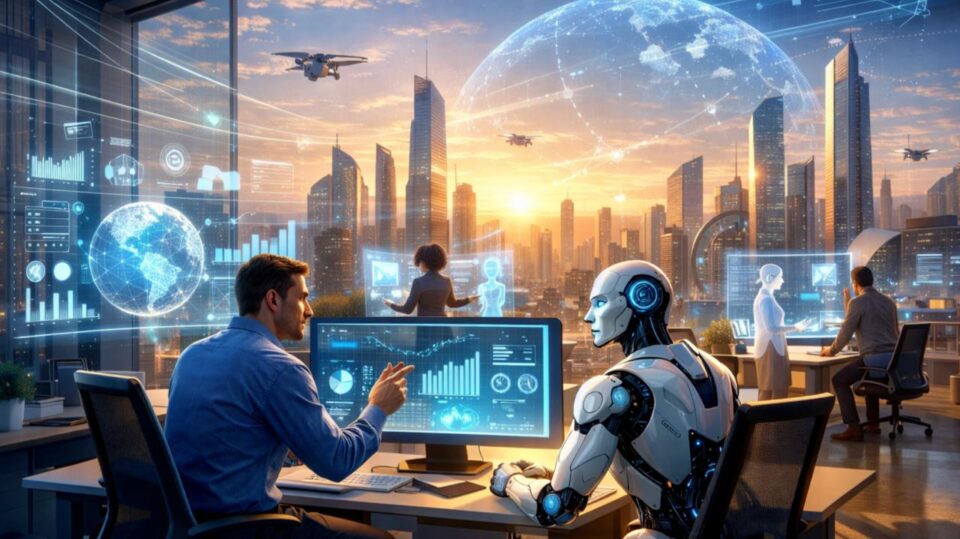
AI Is Taking Over: 10 Jobs That Could Change Forever
Artificial intelligence is no longer just a futuristic idea. It has become part of our everyday lives, changing how we work, communicate, study, shop, and run businesses. From writing articles and designing graphics to answering customer questions, AI tools are performing tasks that once required human employees.
But this technological revolution has created an important question: Is AI taking over our jobs?
Many employees are worried about losing their positions, while students are wondering which careers will remain valuable in the future. Businesses, meanwhile, are adopting AI to save time, reduce repetitive work, and improve productivity.
The truth is that AI will not necessarily eliminate every profession. However, it could transform many industries and change the skills employers expect from workers.
Let’s explore 10 jobs that could change forever because of artificial intelligence, how these professions are being affected, and what people can do to prepare.
1. Customer Service Representatives
Customer service is among the industries experiencing major changes because of artificial intelligence.
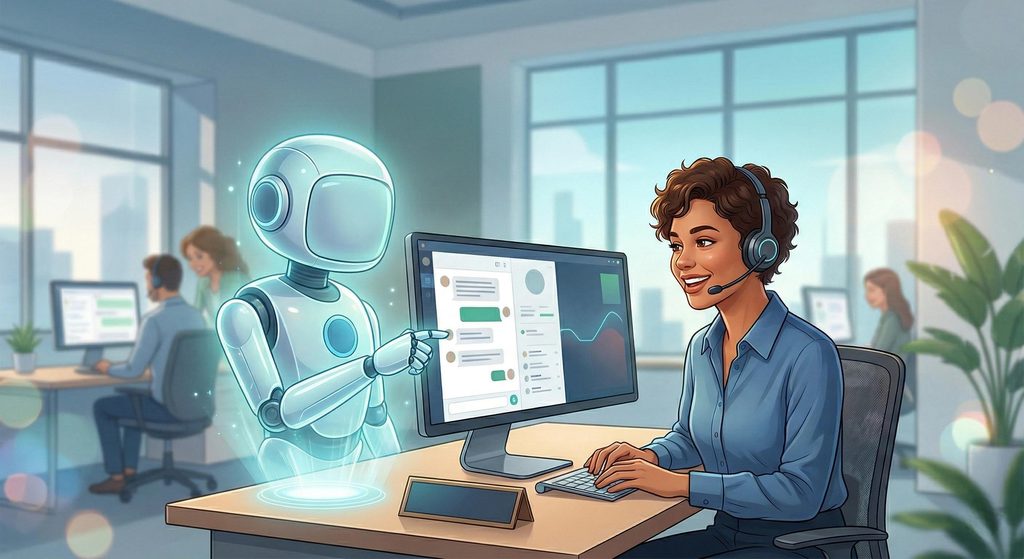
Previously, businesses needed large teams to answer customer questions, handle complaints, provide product information, and manage orders. Today, AI-powered chatbots can perform many of these tasks automatically.
Customers can ask about deliveries, request basic information, and receive answers without speaking to a human representative. These systems can operate 24 hours a day and handle thousands of conversations.
However, complicated complaints and emotional situations still require human understanding.
What could change?
- Basic customer queries may increasingly be handled by AI.
- Companies may need fewer employees for repetitive support tasks.
- Human representatives may focus on complicated customer problems.
- Communication and problem-solving skills may become more valuable.
AI may not completely replace customer service workers, but it is changing their responsibilities.
2. Data Entry Operators and Administrative Assistants
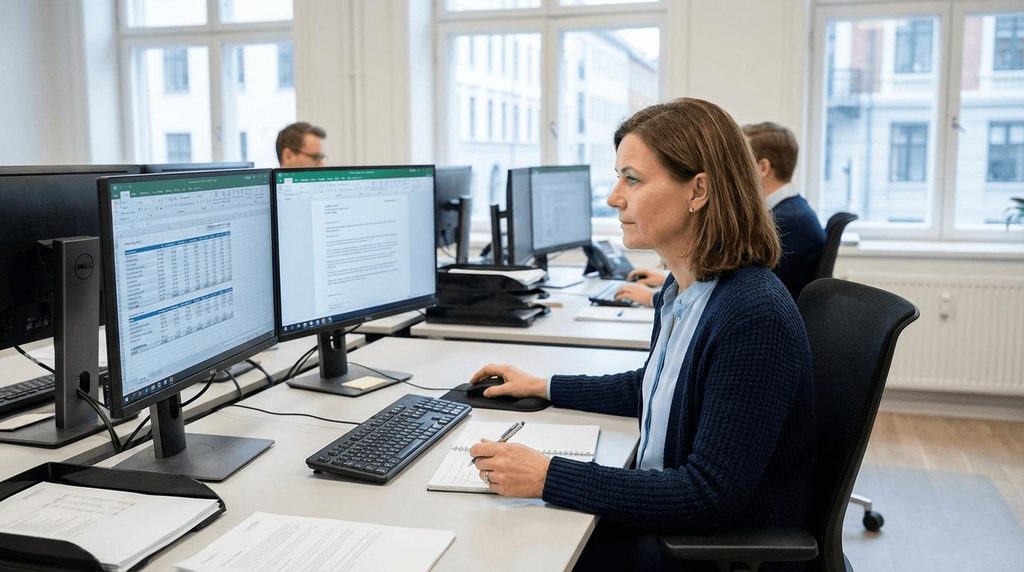
Data entry involves entering information, updating records, organising documents, and managing spreadsheets. These activities can be repetitive and time-consuming.
AI-powered software can now extract information from documents, recognise text, organise records, and process large amounts of data quickly.
Administrative assistants can also use AI to organise schedules, summarise meetings, manage emails, and prepare routine documents.
What could change?
- Manual data entry may become less common.
- Document processing could become automated.
- Administrative employees may focus on more complex responsibilities.
- Knowledge of spreadsheets and digital tools may become essential.
Workers in these positions should consider learning data management, automation software, and other digital skills.
3. Content Writers and Copywriters
The writing industry is changing rapidly because of artificial intelligence.
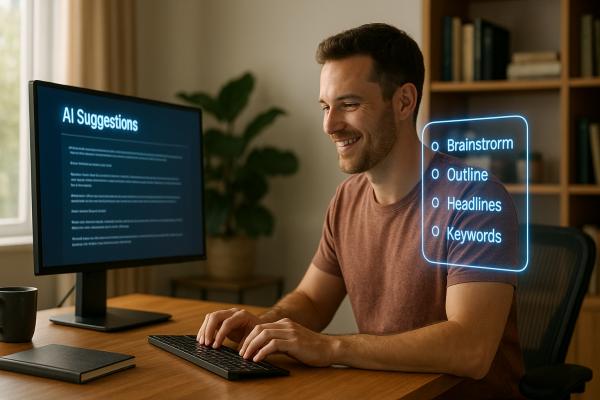
AI tools can generate blog posts, product descriptions, social media captions, marketing emails, and website content within seconds. Businesses can use these tools to produce basic content more quickly and reduce some routine writing costs.
However, does this mean human writers will disappear?
Not necessarily. AI-generated content can contain inaccurate information, repetitive language, and a lack of original experience. Professional writers bring research, storytelling, creativity, cultural understanding, and a unique voice.
For example, writing about Pakistani society requires an understanding of local traditions, family expectations, and cultural differences. Simply generating paragraphs with AI may not produce an informative or engaging article.
What could change?
- Basic content production may become increasingly automated.
- Writers may be expected to produce more original and useful content.
- Research, editing, and fact-checking will remain important.
- SEO knowledge and AI-assisted writing skills may offer an advantage.
The future may belong to writers who combine technology with original thinking rather than depending entirely on automated content.

4. Graphic Designers and Creative Professionals
Graphic design is another profession experiencing a major technological shift.
AI-powered design tools can generate images, remove backgrounds, suggest layouts, create colour combinations, and produce marketing graphics within minutes.
Small businesses can use these tools to create basic promotional material without hiring a designer for every task.
However, professional graphic design involves much more than producing attractive images. Brands need consistent visual identities, creative direction, and designs that communicate the right message.
What could change?
- Basic design tasks may become automated.
- Designers may spend more time on creative direction.
- AI-assisted design skills may become increasingly important.
- Branding and visual storytelling may become more valuable.
Instead of competing against AI, designers can learn to use it as a creative assistant.
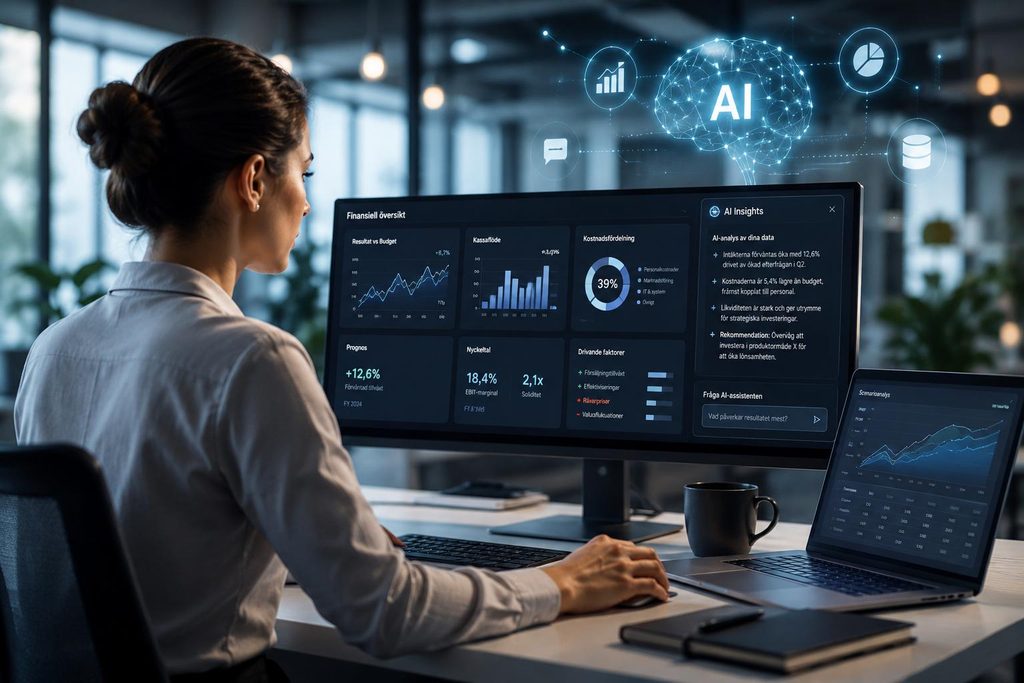
5. Accountants and Bookkeepers
Accounting depends heavily on calculations, financial records, reporting, and organised information. Many routine accounting tasks can now be supported by automation and AI software.
These systems can categorise transactions, generate financial reports, process invoices, and identify unusual spending patterns.
However, accountants do much more than enter numbers. They interpret financial information, understand regulations, manage risks, and help businesses make important decisions.
What could change?
- Routine bookkeeping may become increasingly automated.
- Financial reports could be generated more quickly.
- Accountants may focus more on analysis and financial planning.
- Knowledge of financial technology may become more important.
The accounting profession is unlikely to disappear overnight, but professionals who rely entirely on manual processes may face greater competition.
6. Software Developers and Programmers
Even software developers are experiencing the impact of artificial intelligence.
AI tools can help programmers write code, identify errors, explain programming concepts, and generate test cases. Tasks that previously required significant time can now be completed more quickly with AI assistance.
However, developing reliable software requires much more than generating code.
Programmers must understand business requirements, design systems, protect information, identify security weaknesses, and ensure applications work correctly.
AI-generated code can also contain mistakes that require human review.
What could change?
- Routine coding tasks may become increasingly automated.
- Developers may complete projects more quickly.
- Problem-solving and system design skills may become more valuable.
- Programmers may need to understand AI-assisted development tools.
Software developers who learn to work effectively with AI may gain a competitive advantage.
7. Factory Workers and Manufacturing Employees
Manufacturing has already experienced automation through industrial machines and robotics. Artificial intelligence is taking this transformation further.
Modern factories can use intelligent machines to inspect products, monitor production lines, identify defects, and improve efficiency. Robots can also perform repetitive activities such as packaging and assembling components.
However, manufacturing jobs involve more than repetitive physical work. Employees may need to maintain equipment, supervise production, understand safety procedures, and solve unexpected problems.
What could change?
- Repetitive factory tasks may increasingly be performed by machines.
- Workers may need training to operate automated equipment.
- Demand for robotics technicians and maintenance specialists could grow.
- Human employees may focus more on supervision and quality control.
For Pakistan, this transformation could create challenges as industries modernise, but it may also introduce new technical career opportunities.
8. Drivers and Transportation Workers
Self-driving technology and intelligent transportation systems are changing how people think about the future of driving.
AI-powered systems can recognise objects, analyse road conditions, monitor traffic, and assist vehicles with navigation and safety features.
Transportation companies are also using AI to improve delivery routes, manage logistics, and estimate arrival times.
However, replacing professional drivers entirely remains a complicated challenge. Road conditions, infrastructure, regulations, safety, and affordability all influence the adoption of autonomous vehicles.
What could change?
- Route planning may become increasingly automated.
- Delivery companies may use AI to improve logistics.
- Driver-assistance technology may change driving responsibilities.
- Some driving-related tasks could eventually be affected by autonomous systems.
The transportation industry may change significantly, although human drivers will remain important in many situations.
9. Teachers and Tutors
Education is another field where AI is creating new possibilities.
AI-powered learning platforms can explain difficult concepts, generate practice questions, summarise educational material, and provide personalised learning support.
Teachers can also use AI to prepare lesson plans, organise educational resources, and create classroom activities.
But teaching is not simply about delivering information. Good teachers understand students’ difficulties, encourage curiosity, provide emotional support, and help learners build confidence.
What could change?
- Students may increasingly use AI tutors for additional learning.
- Teachers may spend less time preparing routine materials.
- Personalised learning could become more accessible.
- Digital and AI literacy may become important teaching skills.
AI may become a useful educational assistant, but human teachers will continue to play an essential role.
10. Healthcare and Medical Administration
Healthcare is one of the most important industries where artificial intelligence could bring major changes.
AI can help medical professionals analyse medical images, organise patient information, identify patterns in health records, and support certain diagnostic processes.
Hospitals can also use automation to manage appointments, organise records, and handle routine administrative activities.
However, healthcare involves human lives, ethical responsibilities, and complex medical decisions. AI systems can make mistakes, so professional supervision remains essential.
What could change?
- Medical administration may become more automated.
- AI may assist with analysing medical images and records.
- Healthcare professionals may use AI to support certain decisions.
- Digital health and technology-related skills may become more valuable.
AI could become a powerful assistant in healthcare, but it cannot replace the responsibility and personal care provided by medical professionals.
Why Is AI Taking Over So Many Industries?
Artificial intelligence is spreading across industries because businesses want to improve productivity and reduce repetitive work.
Here are four major reasons behind this transformation:
1. Businesses Want to Save Time: AI can complete certain routine activities faster, allowing employees to focus on other responsibilities.
2. Automation Can Reduce Costs: Companies may use AI systems to manage repetitive tasks without constantly increasing their workforce.
3. AI Tools Are Becoming More Accessible: Many AI applications are now available online, allowing freelancers, students, and small businesses to experiment with them.
4. Competition Is Increasing: Businesses that use technology effectively may gain advantages in productivity, customer service, and efficiency.
Will AI Completely Replace Human Jobs?
This is one of the biggest concerns surrounding artificial intelligence.
Although AI can automate many tasks, replacing an entire profession is much more complicated. Most jobs involve several responsibilities, and not all of them can be handled by software.
For example, AI may help a writer prepare an article outline, but the writer still needs to research the subject, verify information, and understand the audience.
Similarly, AI may help an accountant organise financial records, but important financial decisions require professional judgement.
The more realistic possibility is that many jobs will change rather than disappear completely. Some workers may need to learn new skills, while new roles may emerge as industries evolve.
According to the World Economic Forum’s Future of Jobs Report 2025, technological developments, including artificial intelligence and automation, are expected to reshape the global job market. The report highlights how changing workplace demands will create new opportunities while requiring workers to develop new skills.
7 Skills You Should Learn to Survive in the AI Era
As AI continues to transform workplaces, students and professionals should prepare for a changing job market.
Here are seven useful skills:
- AI Literacy: Learn how to use AI tools for research, productivity, writing, and everyday tasks.
- Critical Thinking: Develop the ability to evaluate information and identify inaccurate results.
- Communication: Improve speaking, writing, teamwork, and negotiation skills.
- Problem-Solving: Learn how to understand difficult situations and find practical solutions.
- Digital Skills: Develop knowledge of spreadsheets, data analysis, digital marketing, and relevant software.
- Creativity: Strengthen storytelling, original thinking, and creative decision-making.
- Continuous Learning: Keep updating your knowledge as technology and professional requirements change.
These skills can help workers adapt instead of feeling threatened by every new technological development.
How Will AI Affect Jobs in Pakistan?
The impact of artificial intelligence is especially important for developing economies such as Pakistan.
Many Pakistanis work in customer service, administration, banking, education, software development, and digital marketing. Some tasks in these professions can already be supported or automated through AI.
For example, call centres may use chatbots for basic customer questions, while digital agencies may use AI for content production, design assistance, and data analysis.
Freelancers may also experience changes as international clients increasingly expect faster delivery and efficient use of technology.
However, AI can create opportunities too. Pakistan’s young population can explore careers in software development, cybersecurity, data analytics, AI engineering, robotics, and digital services.
The biggest challenge will be ensuring workers have access to affordable training, reliable internet, and quality education.
People who develop practical digital skills and learn to use AI effectively may be better prepared for the changing job market.
Conclusion: AI Is Taking Over, but Humans Still Have a Future
AI is taking over repetitive tasks and changing how businesses operate. From customer service and accounting to graphic design, education, and healthcare, almost every industry could experience some level of transformation.
However, this does not mean human workers will suddenly become unnecessary. People bring creativity, empathy, communication, judgement, and real-world understanding to their professions.
Instead of fearing artificial intelligence, workers should focus on understanding it and learning how to use it effectively.
The future may belong to people who combine human skills with technological knowledge.
The real question is not whether AI will change our jobs. It is whether we are ready to change with it.
Frequently Asked Questions (FAQs)
1. Which jobs are most likely to be affected by AI?
Jobs involving repetitive activities, such as basic data entry, routine customer service, document processing, and certain administrative tasks, may experience significant automation.
2. Will AI take away jobs in Pakistan?
AI could change professions in Pakistan, particularly in customer service, banking, administration, education, and digital services. However, it may also create opportunities in emerging technology fields.
3. Can AI replace teachers and doctors?
AI can support teachers and doctors by assisting with learning activities, analysing information, and handling administrative work. However, human judgement and professional responsibility remain essential.
4. Which skills will be important in the AI era?
AI literacy, critical thinking, communication, creativity, problem-solving, digital skills, and continuous learning will be valuable across many professions.
5. Is AI creating new job opportunities?
Yes. Growing areas include AI development, data science, cybersecurity, robotics, automation, and technology management. Opportunities will vary depending on the industry and location.
If you enjoy reading about technology, changing lifestyles, and the trends shaping modern society, explore more interesting articles on MediaRay. Discover fresh stories, informative guides, and discussions about topics that affect our everyday lives.
