

Battle of Khaybar: History, Hazrat Ali (RA), and the Meaning Behind the Famous Slogan
History is full of events that continue to influence people’s thoughts, beliefs, and identities centuries after they take place. One such event in Islamic history is the Battle of Khaybar, a significant military encounter during the lifetime of Prophet Muhammad (PBUH). Recently, a slogan reportedly displayed by some Israeli youths, reading “Khaybar Was Your Last Chance,” has attracted attention on social media and raised questions about the historical event behind these words.
But what exactly happened at Khaybar? Why is this battle remembered in Islamic history? And what does this slogan mean in the context of modern religious and political discussions? Understanding the history helps explain why the name Khaybar still carries such significance.
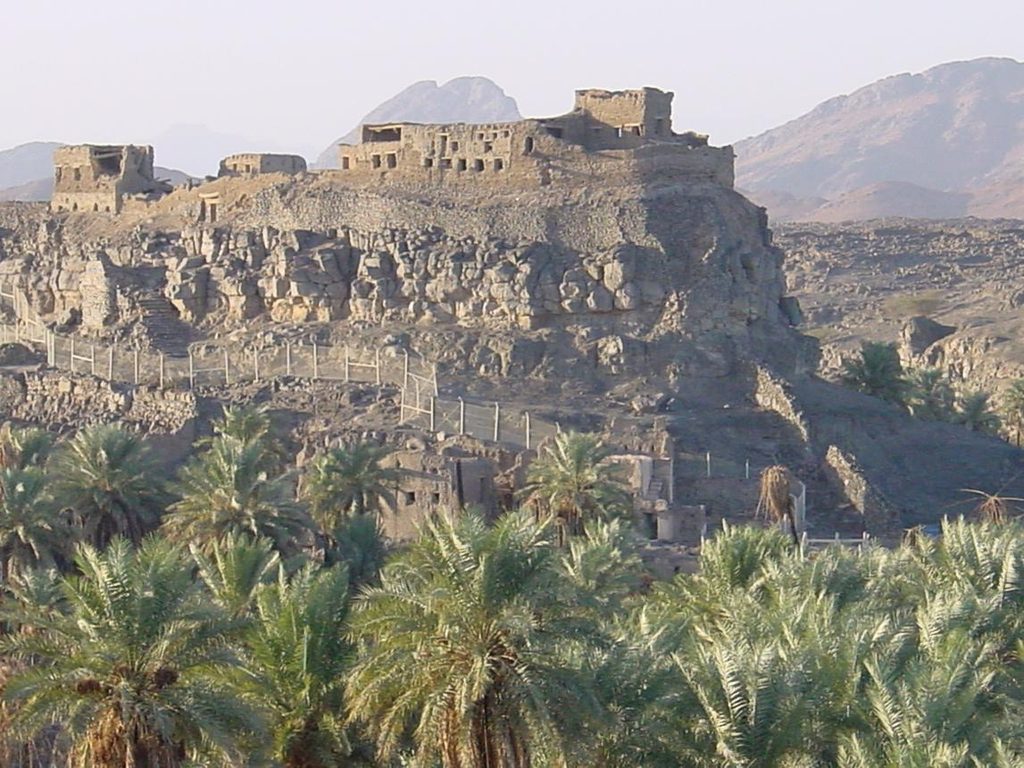
What Was the Battle of Khaybar?
The Battle of Khaybar took place in 7 AH (628–629 CE), during the lifetime of Prophet Muhammad (PBUH). Khaybar was a fertile oasis in northern Arabia, known for its agricultural lands, settlements, and fortified strongholds. Several Jewish communities lived in the region.
Following earlier conflicts between the Muslim community in Madinah and groups in the surrounding region, tensions developed around Khaybar. The Muslim forces eventually marched towards the oasis, and a military confrontation followed.
The battle involved several fortified positions, making it a challenging campaign. Muslim forces gradually gained control of the strongholds, and the conflict ended with an agreement that allowed some inhabitants to continue cultivating their land in exchange for giving a portion of their agricultural produce.
The Battle of Khaybar became an important event in early Islamic history because of its military, political, and social consequences.
The Role of Hazrat Ali (RA) in the Battle of Khaybar
One of the most remembered personalities associated with the Battle of Khaybar is Hazrat Ali ibn Abi Talib (RA), the cousin and son-in-law of Prophet Muhammad (PBUH).
Hazrat Ali (RA) was known for his courage, strength, loyalty, and dedication to Islam. His role during the Battle of Khaybar is particularly significant in Islamic traditions.
According to well-known narrations in Sahih al-Bukhari and Sahih Muslim, Prophet Muhammad (PBUH) announced that he would give the Muslim army’s banner to a man who loved Allah and His Messenger and was loved by Allah and His Messenger. The following day, the banner was given to Hazrat Ali (RA).
This moment is remembered as a remarkable example of his status and bravery.
Hazrat Ali (RA) played an important role in the Muslim victory, and his name remains closely connected with the Battle of Khaybar in Islamic history.
According to an authentic narration recorded in Sahih al-Bukhari, Prophet Muhammad ﷺ gave the Muslim army’s banner to Hazrat Ali (RA) during the Battle of Khaybar. This narration highlights his importance and the trust placed in him by the Prophet ﷺ. You can read the narration in Sahih al-Bukhari.
The Famous Story of the Khaybar Gate
Another popular story associated with the Battle of Khaybar concerns the enormous gate of one of its fortifications.
According to widely circulated historical accounts and later retellings, Hazrat Ali (RA) used a gate as a shield during the fighting. Some versions of the story claim that the gate was so heavy that several men could not lift it afterward.
The number of people mentioned in these accounts varies, with some popular versions claiming that 40 men were unable to move it.
Although this story is famous among Muslims and is frequently shared in religious discussions, its specific details and chains of narration are debated by scholars. It is therefore important to distinguish between well-established narrations about Hazrat Ali’s (RA) role and details that have become popular through later historical storytelling.
Regardless, his courage at Khaybar remains an important part of Islamic tradition.
What Does “Khaybar Was Your Last Chance” Mean?
The slogan “Khaybar Was Your Last Chance” refers to the historical Battle of Khaybar and the Muslim victory over the fortified communities there.
When used in modern political or religious discussions, the phrase invokes the memory of that historical conflict. Depending on the speaker and context, it may be intended as a warning, a provocation, or a reference to historical hostility.
If the slogan has appeared on a plaque carried by Israeli youths, its meaning needs to be understood within the context in which it was displayed. A photograph or short social media post alone cannot establish who created it, where it originated, or what the individuals intended to communicate.
It is also important to remember that a historical battle between particular communities does not represent every Jewish person today. Modern Jewish people, Israelis, and the Israeli government are not interchangeable categories.
History should help people understand the past rather than encourage hostility towards entire religious communities.
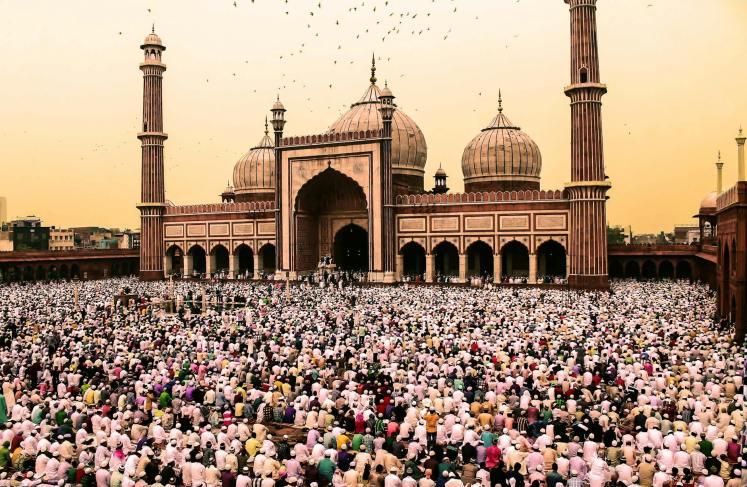
Why Is the Battle of Khaybar Still Important to Muslims?
For Muslims, the Battle of Khaybar is more than a military event. It is connected to the life of Prophet Muhammad (PBUH), the courage of his companions, and the development of the early Muslim community.
There are several reasons why this event continues to hold importance:
1. The bravery of Hazrat Ali (RA)
His role at Khaybar is remembered as an example of courage, faith, and commitment. His leadership during the battle remains an important part of Islamic history.
2. The leadership of Prophet Muhammad (PBUH)
The campaign demonstrates the political and military leadership exercised by Prophet Muhammad (PBUH) during the early years of the Muslim community.
3. A significant historical turning point
The outcome strengthened the position of the Muslim community in Arabia and influenced relationships between the communities in the region.
4. The importance of remembering Islamic history
Learning about events such as Khaybar helps younger generations understand the struggles, decisions, and experiences that shaped early Islamic history.
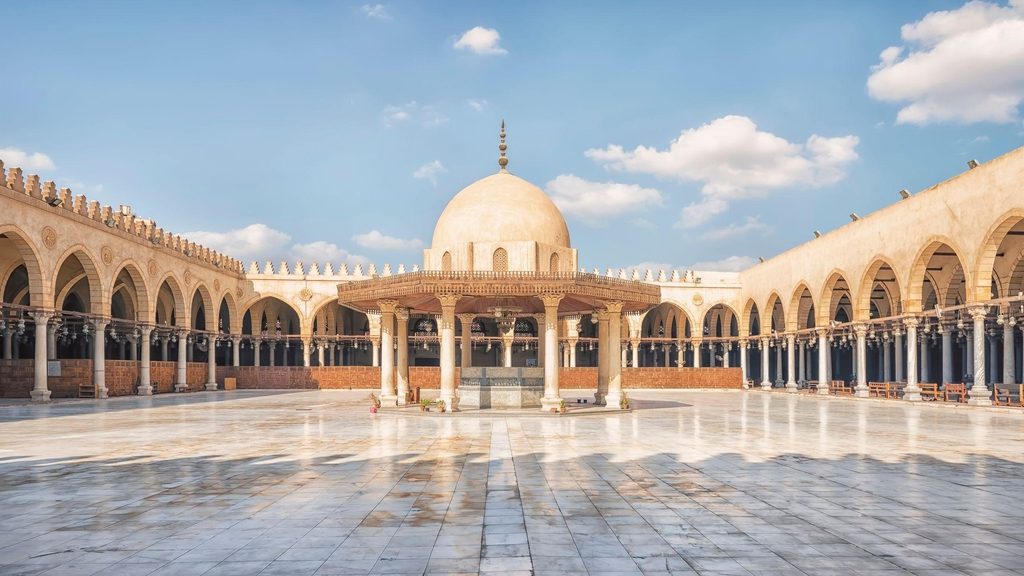
What Can Muslims Learn From This Historical Event?
Remembering Islamic history should not simply mean repeating famous stories or using historical victories to provoke others. It should also encourage Muslims to develop knowledge, unity, patience, courage, and strong moral character.
The life of Prophet Muhammad (PBUH) provides examples of justice, mercy, honesty, and responsible leadership. These values are just as important today as they were centuries ago.
Muslims should also avoid spreading historical claims without checking their authenticity. Stories about the Battle of Khaybar, including the famous gate, should be discussed with an understanding of the available historical evidence.
Furthermore, disagreements between religious and political communities should never become an excuse for hatred against innocent people.
Conclusion
The Battle of Khaybar remains one of the significant events in early Islamic history. The bravery of Hazrat Ali (RA), the leadership of Prophet Muhammad (PBUH), and the eventual Muslim victory made it an important chapter in the history of Islam.
The modern slogan “Khaybar Was Your Last Chance” has brought renewed attention to this historical event. However, understanding its meaning requires more than reading a few words on a plaque. It requires knowledge of the historical background and awareness of the differences between past conflicts and modern communities.
Muslims should remember their history, learn from the sacrifices of earlier generations, and strengthen their character through faith, education, and unity.
May Allah guide us towards knowledge, justice, unity, and the right path. Ameen.
For more articles like this visit our website Mediaray.blog
