
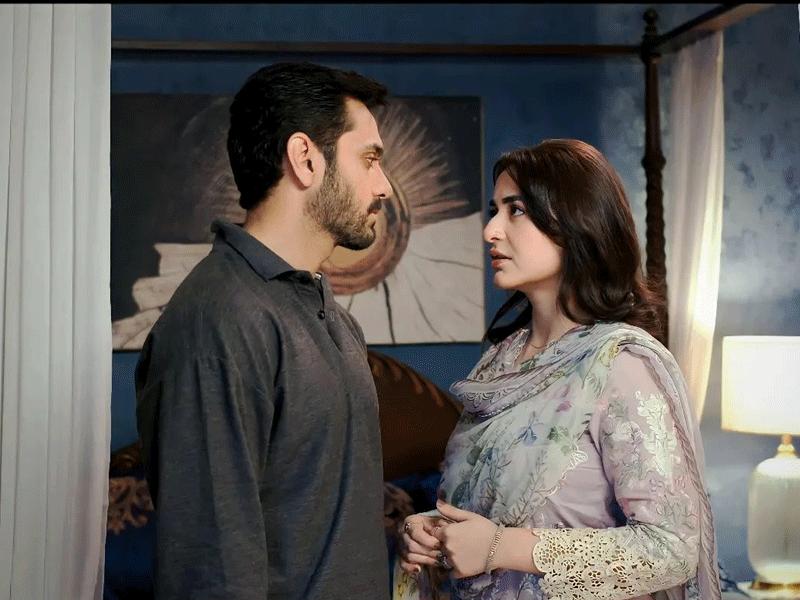
Are Pakistani Dramas Promoting Toxic Relationships? 7 Disturbing Patterns We Have Normalized
Pakistani dramas have become an important part of everyday entertainment. From emotional love stories to complicated family relationships, millions of viewers tune in every week to watch their favourite characters. Some dramas make us laugh, others make us cry, and many keep us waiting eagerly for the next episode. But have we ever stopped to question the relationship lessons hidden behind these entertaining stories?
The question of whether Pakistani Dramas Promoting Toxic Relationships has become a growing concern deserves serious attention. Across numerous television storylines, controlling behaviour is presented as love, jealousy is mistaken for loyalty, and emotional suffering is portrayed as a natural part of romantic relationships. What makes these portrayals particularly concerning is how easily audiences can become accustomed to them.
Of course, not every Pakistani drama promotes unhealthy relationships. Many productions highlight important social issues, challenge traditional stereotypes, and encourage positive conversations. However, certain recurring storytelling patterns deserve criticism.
Let’s explore seven disturbing ways Pakistani dramas may be normalizing toxic relationships and influencing how viewers perceive love, marriage, and personal boundaries.
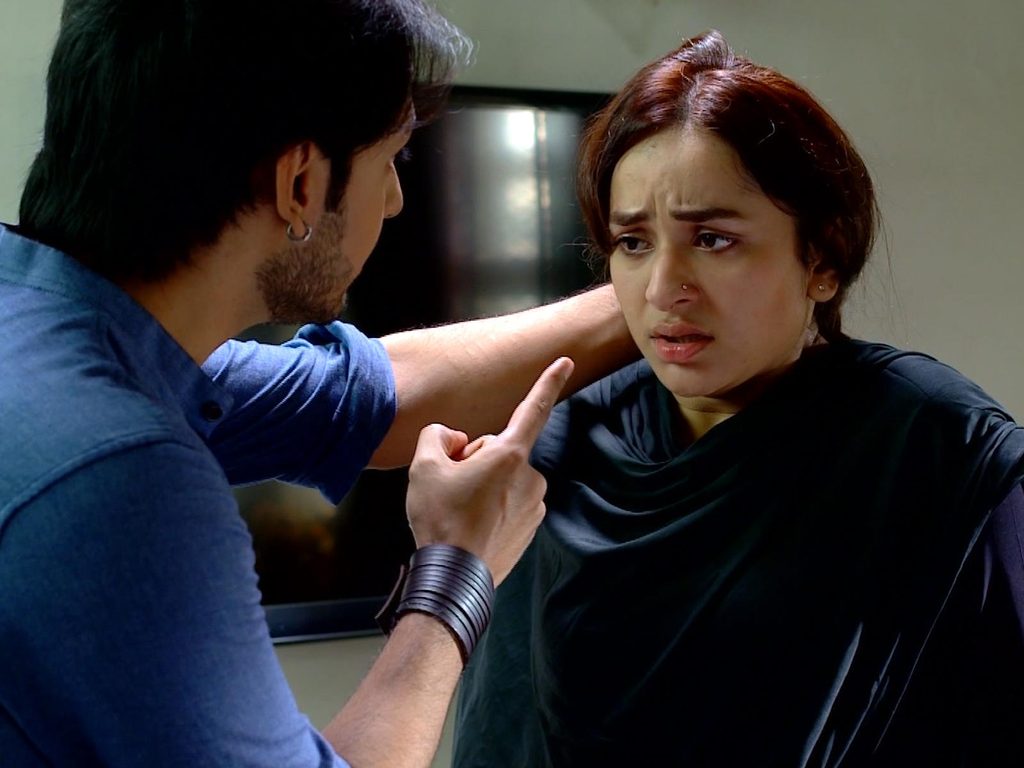
1. Pakistani Dramas Promoting Toxic Relationships Through Controlling Behaviour
One of the most common patterns in Pakistani television is portraying controlling men as protective and caring partners.
A male character may constantly question his partner’s whereabouts, decide what she should wear, restrict her friendships, or become angry when she interacts with other men. Instead of presenting these actions as warning signs, some storylines frame them as evidence of deep affection.
But there is a significant difference between protecting someone and controlling them.
A healthy relationship allows both partners to make their own decisions without feeling monitored or restricted. Love does not give anyone the authority to control another person’s life.
Unfortunately, when Pakistani dramas repeatedly present controlling behaviour as romantic, viewers may begin confusing possessiveness with genuine care.
The reality: A partner who respects you does not need to control you to prove their love.
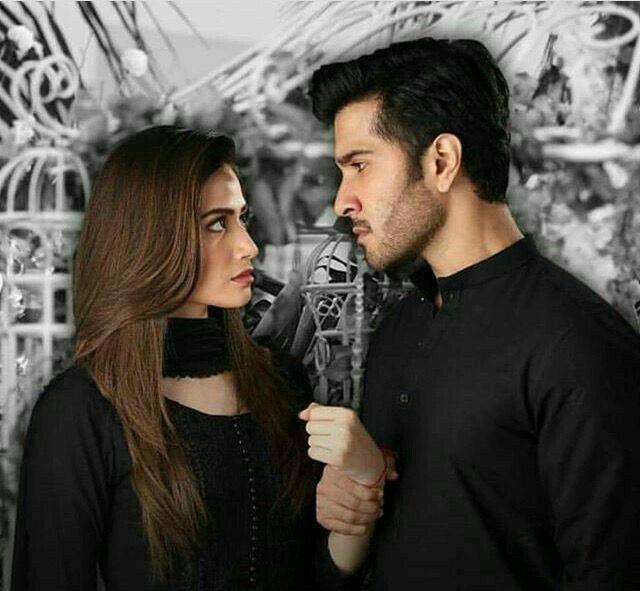
2. Treating Jealousy and Possessiveness as Proof of True Love
How many times have we watched a male character become furious because another man spoke to the woman he loves?
In many romantic storylines, jealousy is presented as an attractive quality. A character who becomes aggressive, suspicious, or overly possessive is sometimes portrayed as someone who simply cannot tolerate losing their beloved.
This creates a problematic understanding of romance.
Jealousy is a human emotion, and experiencing it occasionally does not automatically make someone toxic. However, using jealousy to justify restrictions, accusations, intimidation, or aggressive behaviour is unhealthy.
When Pakistani Dramas Promoting Toxic Relationships repeatedly romanticize possessiveness, they risk reinforcing the idea that love must involve constant insecurity.
Real love should make people feel secure, not trapped.
A person who genuinely cares about their partner understands that trust is more valuable than constant suspicion.
3. Pakistani Dramas Promoting Toxic Relationships Through Emotional Manipulation
Emotional manipulation is another disturbing pattern that frequently appears in relationship-based television stories.
Some characters use guilt, emotional blackmail, silent treatment, or exaggerated victimhood to get what they want. Instead of communicating honestly, they manipulate their partners into feeling responsible for their emotions.
For example, a character might say:
“If you really loved me, you would do this for me.”
Such statements may sound emotional, but they can become tools for controlling another person’s decisions.
Another common storyline involves a partner repeatedly hurting someone and then using tears, apologies, or dramatic gestures to escape accountability.
Unfortunately, some narratives focus more on the emotional reunion than on the harm caused by the manipulative behaviour.
This is where Pakistani Dramas Promoting Toxic Relationships become particularly concerning. Emotional manipulation should not be presented as an ordinary relationship struggle that can be solved with a few romantic words.
Healthy relationships require honesty, accountability, and emotional maturity.
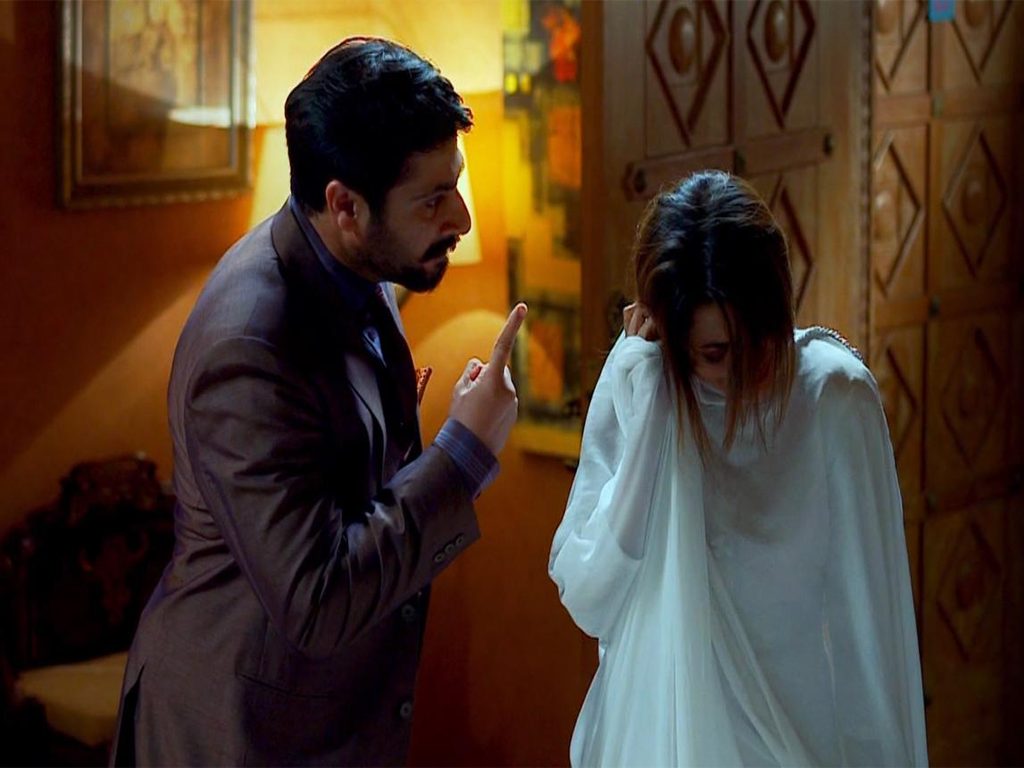
4. Normalizing Physical and Verbal Abuse in the Name of Love
Perhaps one of the most serious issues in certain Pakistani dramas is the portrayal of physical and verbal aggression within romantic and marital relationships.
Slapping, shouting, threatening, humiliating, and intimidating a partner are sometimes used to create dramatic scenes. While these moments may generate emotional reactions from viewers, their presentation can become problematic when the consequences are ignored.
A character may insult their spouse repeatedly, lose their temper, or even become physically aggressive. Yet, after a few emotional scenes, the storyline may move towards reconciliation without showing meaningful accountability or change.
This creates an unhealthy narrative: that love can excuse abusive behaviour.
It cannot.
According to the World Health Organization’s factsheet on violence against women, intimate partner violence includes physical aggression, sexual coercion, psychological abuse, and controlling behaviours.
Television dramas do not need to avoid difficult subjects. In fact, they can play an important role in highlighting abuse and its consequences. However, Pakistani Dramas Promoting Toxic Relationships should be questioned when they turn harmful behaviour into romantic entertainment instead of treating it with the seriousness it deserves.
Abuse is not passion, anger is not an excuse, and forgiveness does not automatically repair a damaged relationship.
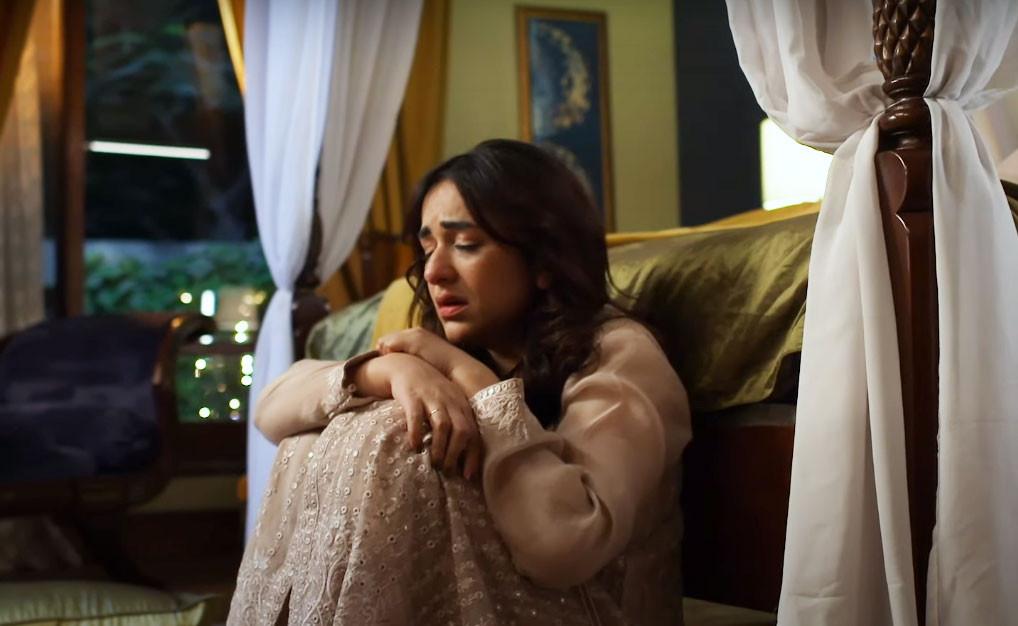
5. Portraying Women’s Suffering as the Ultimate Proof of Love
Another troubling pattern is the idea that a woman must tolerate endless suffering to prove her loyalty.
In some storylines, female characters continue sacrificing their happiness despite humiliation, disrespect, betrayal, and emotional abuse. They are often praised for being patient, forgiving, and willing to endure almost anything for their relationships.
While patience and compromise are important qualities, they should never require someone to abandon their dignity.
A woman should not have to tolerate mistreatment to prove that she is a good wife, daughter-in-law, or partner.
This pattern becomes even more concerning when women who establish boundaries or leave unhealthy relationships are portrayed as selfish, arrogant, or disloyal.
The discussion surrounding Pakistani Dramas Promoting Toxic Relationships must also include the unrealistic expectations placed on female characters.
Women deserve relationships built on mutual respect, emotional security, and equal consideration.
Sacrifice can be meaningful, but sacrificing your self-respect should never be celebrated as the definition of love.
6. Making Women Compete for Male Attention
Love triangles are hardly new to television. They can create suspense, conflict, and interesting character development. However, problems arise when female characters are constantly presented as rivals fighting for one man’s attention.
In some dramas, two women are placed against each other while the male character’s behaviour receives surprisingly little criticism.
One woman is portrayed as innocent and deserving, while the other is labelled selfish, manipulative, or jealous. Their entire identities become connected to winning or losing a romantic relationship.
Why is the man’s responsibility often overlooked?
A healthy relationship is not a competition in which women must prove their worth to be selected. Both partners should be responsible for their choices, commitments, and behaviour.
When Pakistani Dramas Promoting Toxic Relationships repeatedly use female rivalry as a major source of entertainment, they can reinforce unnecessary competition and harmful stereotypes about women.
Instead of constantly pitting women against each other, writers could explore friendship, independence, ambition, and meaningful female relationships.
There is much more to a woman’s identity than the man she loves.
7. Giving Toxic Relationships Unrealistic Happy Endings
Perhaps the most confusing pattern is how easily some toxic relationships receive happy endings.
After episodes of manipulation, disrespect, betrayal, and emotional suffering, characters may suddenly reunite. A dramatic apology, a few tears, or a romantic gesture becomes enough to resolve years of unhealthy behaviour.
But real relationships do not work like that.
Trust takes time to rebuild. Emotional wounds require attention, and genuine change involves consistent effort. Saying sorry is important, but repeating the same behaviour after every apology is not personal growth.
This is why Pakistani Dramas Promoting Toxic Relationships should pay greater attention to the consequences of harmful actions.
A meaningful ending does not always require two characters to reunite. Sometimes, the strongest ending is one in which a person chooses independence, self-respect, and emotional well-being.
Television should remind audiences that leaving an unhealthy relationship can be an act of courage rather than a failure of love.
Are Pakistani Dramas Really Influencing Our Relationship Expectations?
This is where the discussion becomes more complicated.
Watching a fictional story does not automatically mean someone will copy the behaviour they see on screen. Audiences have different experiences, values, and abilities to distinguish entertainment from reality.
However, repeated media portrayals can contribute to how people understand social expectations and relationship behaviour.
When viewers repeatedly see jealousy presented as romance or controlling behaviour presented as protection, these portrayals may influence what some people consider normal.
This does not mean Pakistani television is solely responsible for unhealthy relationships. Family environments, social attitudes, personal experiences, and cultural expectations also play important roles.
Nevertheless, the influence of entertainment should not be dismissed.
The debate about Pakistani Dramas Promoting Toxic Relationships is not about blaming television for every problem in society. It is about recognizing that popular entertainment can either challenge harmful beliefs or reinforce them.
For further reading, UN Women’s facts and figures on ending violence against women provide useful information about gender-based violence and the broader social issues surrounding women’s safety and equality.
What Should Pakistani Drama Writers Do Differently?
Criticizing harmful storytelling patterns does not mean dramas should become unrealistic or avoid controversial subjects.
Conflict, heartbreak, jealousy, betrayal, and complicated relationships are important elements of storytelling. The problem is not showing toxic behaviour; it is presenting that behaviour without examining its consequences.
Pakistani drama writers and producers can create more meaningful content by:
- Showing healthy boundaries: Characters should be able to say no without facing punishment or humiliation.
- Holding abusive characters accountable: Harmful actions should have realistic consequences rather than disappearing after an emotional apology.
- Creating independent female characters: Women should have ambitions, identities, and goals beyond romantic relationships.
- Promoting emotional maturity: Communication, trust, and mutual respect should be presented as attractive relationship qualities.
- Avoiding romanticized abuse: Controlling and aggressive behaviour should not automatically be treated as proof of love.
- Exploring realistic endings: Not every relationship needs reconciliation, especially when trust and respect have been repeatedly destroyed.
The Pakistani entertainment industry has talented writers, actors, directors, and producers capable of creating powerful stories. It can entertain audiences while also encouraging healthier conversations about relationships.
Final Thoughts: It’s Time to Rethink What We Call Love
Pakistani dramas are more than a source of entertainment. They often reflect social attitudes, family expectations, cultural values, and changing relationship dynamics.
There is nothing wrong with enjoying dramatic love stories, emotional scenes, or complicated fictional characters. However, we should be able to question the messages behind the entertainment we consume.
The issue of Pakistani Dramas Promoting Toxic Relationships deserves attention because controlling behaviour, emotional manipulation, possessiveness, and abuse should never be confused with genuine affection.
Love should not require constant suffering. Jealousy should not become a form of control, and forgiveness should not mean accepting repeated mistreatment.
Perhaps it is time for viewers to ask a simple question whenever they watch a dramatic romantic scene: Would this behaviour actually be acceptable in a healthy real-life relationship?
If the answer is no, perhaps the character is not displaying extraordinary love after all.
Because real love is not about controlling someone, breaking their confidence, or making them suffer. It is about respect, trust, equality, and emotional security.
For more articles like this visit our website MediaRay
