
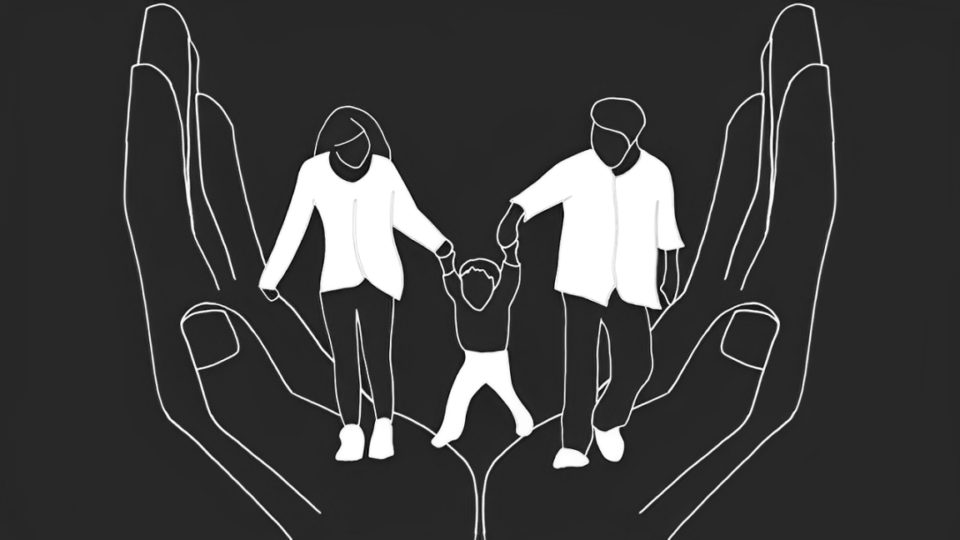
Raising a child is a journey filled with love, joy, and the occasional struggle. But when a child has mental health challenges, that journey can become a complex push-and-pull between hope and despair, progress and setbacks, understanding and frustration. Parents often find themselves navigating a world filled with therapy appointments, school meetings, medication management, and emotional ups and downs, all while trying to provide a sense of normalcy and stability for their child.
The Emotional Rollercoaster
One of the most difficult aspects of raising a child with mental health struggles is the emotional toll it takes on both the child and the parents. Feelings of guilt, worry, exhaustion, and even helplessness can become overwhelming. Parents often question whether they are doing enough or making the right decisions. There may be days when everything seems to be improving, only to be followed by a setback that feels like starting from square one.
Understanding and Advocacy
Parents of children with mental health challenges quickly become advocates. They must educate themselves about their child’s condition, seek out the best treatments, and work tirelessly to ensure their child receives appropriate accommodations in school and social settings. This can mean long battles with insurance companies, school administrators, or even well-meaning friends and family who may not fully understand the child’s needs.
Finding the Right Support System
Having a solid support system is essential. Parents need a network of understanding family members, friends, therapists, and support groups to help them through tough times. Joining parent support groups, whether online or in-person, can provide a sense of community and relief, knowing that others share similar struggles and victories. Mental health professionals can also offer guidance on coping strategies and self-care practices, which are crucial for parents who often neglect their own well-being.
The Importance of Patience and Resilience
Children with mental health challenges may struggle with emotional regulation, impulse control, or social interactions. This requires parents to develop an extraordinary level of patience and resilience. It is important to recognize that progress may be slow and nonlinear. Small victories, like a day without an anxiety attack or an improvement in communication, should be celebrated.
The Impact on Family Dynamics
Mental health challenges don’t just affect the child; they impact the entire family. Siblings may feel overlooked or confused, and relationships between parents can be strained under the pressure. Open communication within the family is key to ensuring that everyone feels heard and supported. Finding time to nurture relationships outside of caregiving responsibilities is essential for maintaining balance and harmony within the household.
Self-Care for Parents
Parents often put their child’s needs above their own, but self-care is not a luxury—it is a necessity. Taking breaks, seeking therapy for themselves, and engaging in activities that bring them joy can help them recharge. A parent who prioritizes their own mental well-being will be better equipped to handle the challenges that come with raising a child with mental health struggles.
Conclusion
Raising a child with mental health challenges is undeniably demanding, but it is also a journey filled with deep love and profound growth. Every struggle comes with an opportunity to learn, and every setback is a chance to build resilience. By seeking support, practicing patience, and celebrating small victories, parents can create an environment where their child feels valued, understood, and empowered to thrive. No parent is alone in this journey, and together, we can build a world that fosters acceptance, compassion, and hope for children with mental health challenges.
