
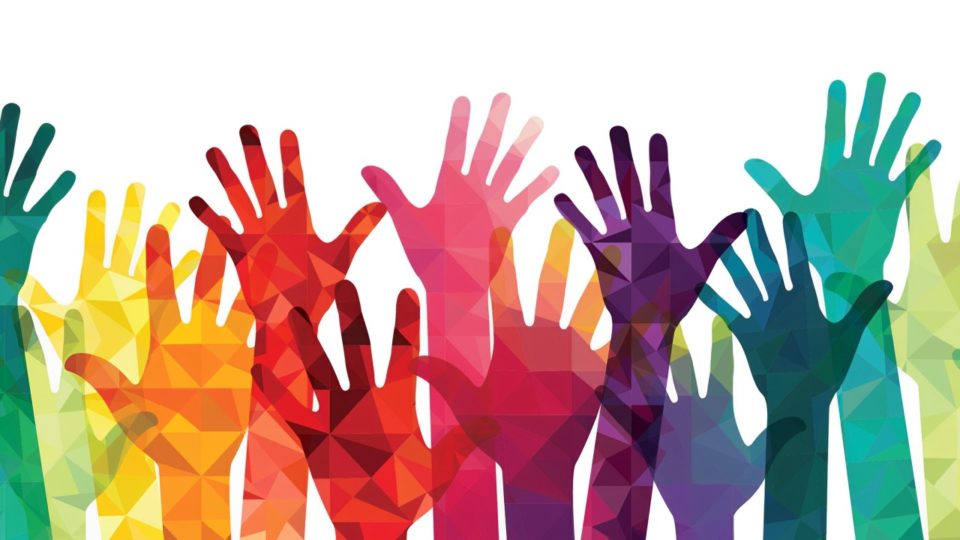
In a world brimming with cultural richness, festivals serve as a vibrant tapestry connecting humanity. They celebrate the uniqueness of traditions, beliefs, and histories, while also highlighting our shared values of joy, gratitude, and togetherness. From small village rituals to global extravaganzas, these events bridge divides and remind us of the beauty in diversity.
Let’s explore some of the world’s most captivating festivals that bring people together, transcending borders and differences.
Diwali – The Festival of Lights (India)
Celebrated by millions around the globe, Diwali is a Hindu festival symbolizing the victory of light over darkness and good over evil. The celebration includes lighting oil lamps, bursting fireworks, sharing sweets, and adorning homes with vibrant decorations.
Why It Unites:
Diwali fosters a sense of community as families and friends gather to celebrate, and its universal themes of hope and renewal resonate with people from all walks of life.
Carnival – A Global Extravaganza (Brazil and Beyond)
Carnival is synonymous with exuberance, music, and dance. While the Brazilian Carnival in Rio de Janeiro is the most famous, similar celebrations occur worldwide, including in Trinidad, Venice, and New Orleans. These festivals feature elaborate costumes, parades, and a spirit of unrestrained joy.
Why It Unites:
Carnival transcends cultural and linguistic barriers, drawing people together in shared revelry. Its inclusivity allows participants and spectators alike to feel connected in celebration.
Eid al-Fitr – The Feast of Breaking the Fast (Worldwide)
Eid al-Fitr marks the stop of Ramadan, a month of fasting and non secular mirrored image for Muslims. Families gather for feasts, exchange gifts, and engage in acts of charity to help those in need.
Why It Unites:
The emphasis on gratitude, community, and generosity creates a spirit of solidarity, extending beyond the Muslim community to foster interfaith understanding and compassion.
Holi – The Festival of Colors (India)
Holi is a joyous birthday party of spring, love, and the triumph of top over evil.Participants playfully throw colored powders, dance to music, and share traditional foods, breaking social barriers in the process.
Why It Unites:
Holi’s playful and inclusive nature brings together people of all ages, backgrounds, and beliefs, embodying unity in diversity.
Chinese New Year – A Celebration of Renewal (China and Beyond)
Chinese New Year, also known as the Spring Festival, is marked by vibrant parades, lion dances, fireworks, and family reunions. The 15-day celebration honors traditions, ancestors, and the coming of a prosperous new year.
Why It Unites:
The emphasis on family, community, and renewal creates a universal appeal, making Chinese New Year a beloved tradition in many countries.
Thanksgiving – A Time for Gratitude (USA and Canada)
Thanksgiving is a harvest festival rooted in gratitude. Families and friends gather to share meals, reflect on blessings, and express appreciation for one another.
Why It Unites:
The universal theme of gratitude fosters connections across cultures, encouraging people worldwide to celebrate what they’re thankful for.
World Music Day – A Universal Celebration (Global)
Observed on June 21, World Music Day invites people to make, listen to, and celebrate music in public spaces. From concerts to street performances, this festival showcases the unifying power of music.
Why It Unites:
Music is a universal language, breaking down barriers and bringing people together in shared appreciation for creativity and expression.
Conclusion
Festivals are more than just cultural expressions—they are bridges that connect hearts and minds. They celebrate both the diversity that makes humanity so vibrant and the shared emotions that bind us.
By participating in and appreciating the festivals of other cultures, we expand our understanding of the world and foster a spirit of global unity. These celebrations remind us that no matter where we come from, the human experience is enriched by coming together in joy, gratitude, and shared traditions.
