
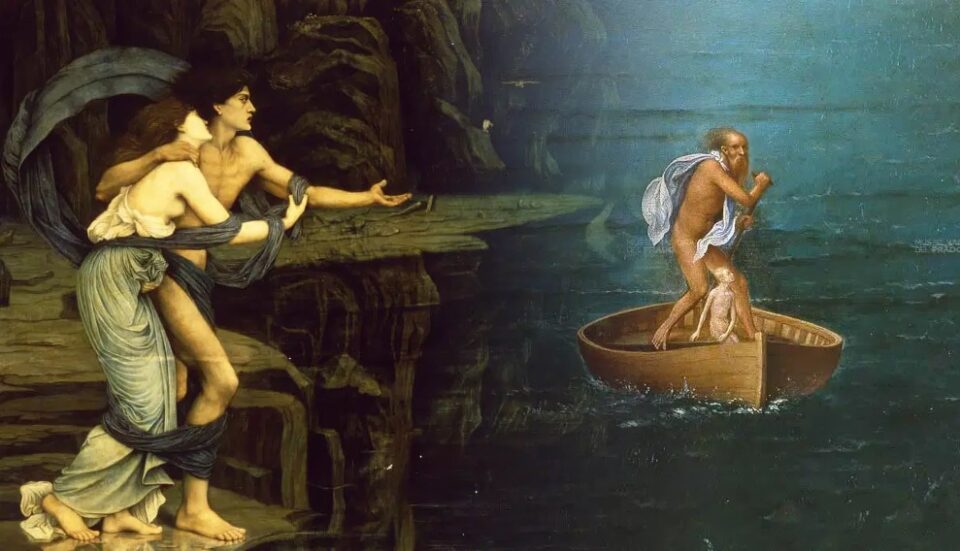
For centuries, poets, philosophers, and storytellers have painted haunting images of the River Styx—the dark, mysterious boundary between the world of the living and the realm of the dead in Greek mythology. The journey across the Styx wasn’t just a passage; it was a profound metaphor for the transition from life to death, a spiritual voyage that fascinated and terrified the ancient Greeks.
The tale of the River Styx is more than just a chilling bedtime story. It reflects how ancient cultures grappled with the unknown, weaving morality, fear, and reverence into one of the most iconic symbols of the afterlife.
The River Styx: The Sacred Boundary Between Worlds
In Greek mythology, the Styx was one of five rivers of the Underworld, but it held the most power. Flowing with dark, cold, and murky waters, the Styx represented hatred and the unbreakable oath. Even the gods of Olympus feared this river; swearing upon it was considered the most binding promise in existence.
According to legend, the Styx encircled Hades’ kingdom seven times, separating the world of the living from the realm of the dead. Souls of the departed had to cross it to reach their final resting place—whether that was in the blissful Elysian Fields or the torments of Tartarus.
Charon: The Ferryman of the Dead
One of the most iconic figures in this mythological journey is Charon, the skeletal ferryman tasked with transporting souls across the Styx. But Charon did not offer free rides. Every deceased person needed to pay him with a coin, usually an obol or drachma, placed in their mouth upon burial. Those who couldn’t pay were doomed to wander the shores of the river for eternity, never finding peace.
This tradition reflected how deeply the ancient Greeks valued proper burial rites—not only to honor the dead but to ensure their smooth transition to the afterlife.
Psychological and Symbolic Meaning of the Journey
The crossing of the Styx was never just a literal passage. It symbolized the soul’s final separation from the world of the living. It forced individuals to leave behind their earthly attachments, sins, desires, and memories. In many ways, the Styx was a mirror of human fears—the fear of death, of the unknown, and of losing control.
The journey also carried a moral undertone. It reminded the living that no matter how powerful, wealthy, or noble one was in life, death was the ultimate equalizer. Everyone, rich or poor, had to make the same dark crossing.
The Role of the Styx in Greek Culture and Beyond
The myth of the Styx influenced not only Greek beliefs but also Western literature, art, and philosophy. The image of crossing a river to reach the afterlife appears in Roman mythology (as the Lethe) and even in Christian thought (as the division between Heaven and Hell).
The river became a literary device, representing life’s boundaries, irreversible choices, and the journey into the unknown.
The Other Rivers of the Underworld
While the Styx is the most famous, it is only one of five rivers in the Underworld:
Acheron – The river of sorrow.
Cocytus – The river of lamentation.
Phlegethon – The river of fire.
Lethe – The river of forgetfulness.
Together, these rivers painted a complete picture of the afterlife, with the Styx standing at the forefront as the gatekeeper between realms.
Conclusion
The story of crossing the River Styx endures because it speaks to something universal: our collective fear, curiosity, and reverence for what lies beyond death. It is not just a myth of ancient times, but a reflection of humanity’s eternal struggle to make sense of mortality.
For the ancient Greeks, the Styx taught that every soul must eventually face the unknown, letting go of everything they once held dear. Today, it remains a powerful symbol of life’s ultimate transition—a journey we all will one day take, whether literal or metaphorical.
In the end, the River Styx reminds us that death is not the end of the story, but the beginning of another, timeless journey.
