
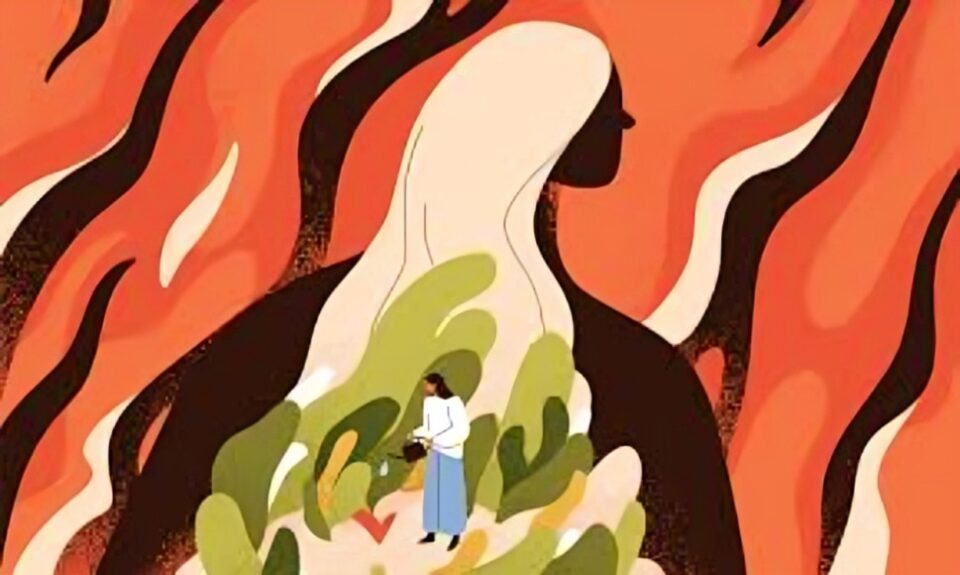
Abusive relationships leave scars that often go beyond the physical. For many women, the pain doesn’t end when they walk away—it continues as they find themselves trapped in a painful cycle of toxic, controlling, and abusive partners. While society often asks, “Why doesn’t she just leave?” The harder and more important question is: Why do so many women experience multiple abusive relationships?
This pattern is not about weakness, poor judgment, or a lack of intelligence. It is rooted in a complex web of psychological, emotional, and societal factors that can keep women stuck in cycles of trauma, often without realizing it.
Early Life Trauma and Conditioning
For many women, the pattern begins in childhood. Growing up in abusive or dysfunctional homes can normalize harmful behavior. When abuse is part of your early environment, your brain learns to associate love with chaos, fear, and emotional manipulation.
Children who experience neglect, verbal abuse, or witness domestic violence may subconsciously seek out partners who recreate those familiar dynamics because, to them, that’s what love feels like. This is called trauma bonding—a powerful psychological attachment formed through repeated cycles of abuse and reconciliation.
Low Self-Esteem and Self-Worth Issues
Abusers often target women who struggle with low self-esteem, knowing they may tolerate mistreatment due to a belief that they don’t deserve better. Unfortunately, surviving one abusive relationship can further damage a woman’s self-worth, making her more vulnerable to the next manipulative partner who offers attention, validation, or affection—only to later turn abusive.
This vicious cycle reinforces feelings of unworthiness, leading some women to believe that abuse is all they deserve or all they will ever find.
Manipulation and Gaslighting
Abusive partners are often skilled manipulators. They isolate their victims from friends and family, control their finances, and subtly convince them that the abuse is their fault. This tactic, known as gaslighting, makes women doubt their own perceptions and feel powerless to leave.
Once a woman has been conditioned to accept this behavior, she may unconsciously fall into similar patterns in future relationships, especially if she has not had the chance to heal or recognize the red flags early.
Society’s Pressure and Gender Expectations
Cultural and societal expectations play a significant role in keeping women in abusive relationships. Many societies pressure women to prioritize marriage, relationships, and family over personal safety and well-being. Messages like “Be patient,” “You can change him,” or “A woman’s job is to keep the relationship together” can trap women in abusive cycles and make them feel responsible for their partner’s behavior.
Additionally, fear of being judged, blamed, or not believed can prevent women from speaking out or seeking help.
The False Comfort of Familiarity
Psychologically, human beings tend to gravitate toward the familiar—even when the familiar is harmful. After surviving one abusive relationship, it may feel strangely “comfortable” to fall back into familiar emotional patterns, because it feels known and predictable.
Without proper healing, therapy, and emotional support, this comfort in dysfunction can lead to repeated abusive relationships.
Economic Dependence and Practical Barriers
Financial abuse is one of the most common and overlooked forms of control. Many women stay or return to abusive relationships because they lack the financial resources, housing, or support network to leave. Economic vulnerability can force women into a cycle of dependence that is hard to break without external support systems.
Conclusion
The reality is that women who experience multiple abusive relationships are not weak, foolish, or broken—they are survivors of repeated, complex trauma. Their experiences are shaped by emotional wounds, psychological conditioning, societal pressures, and a lack of resources, not by personal failure.
If we want to help break this cycle, we must shift the conversation away from victim-blaming and focus on education, empathy, and support. Trauma-informed therapy, financial empowerment, community resources, and healthy relationship education are all critical tools to help women reclaim their power and rewrite their story.
Ultimately, understanding why this cycle exists is the first step in dismantling it—for good.
