
MotoGP Explained: 10 Essential Things Every Beginner Must Know
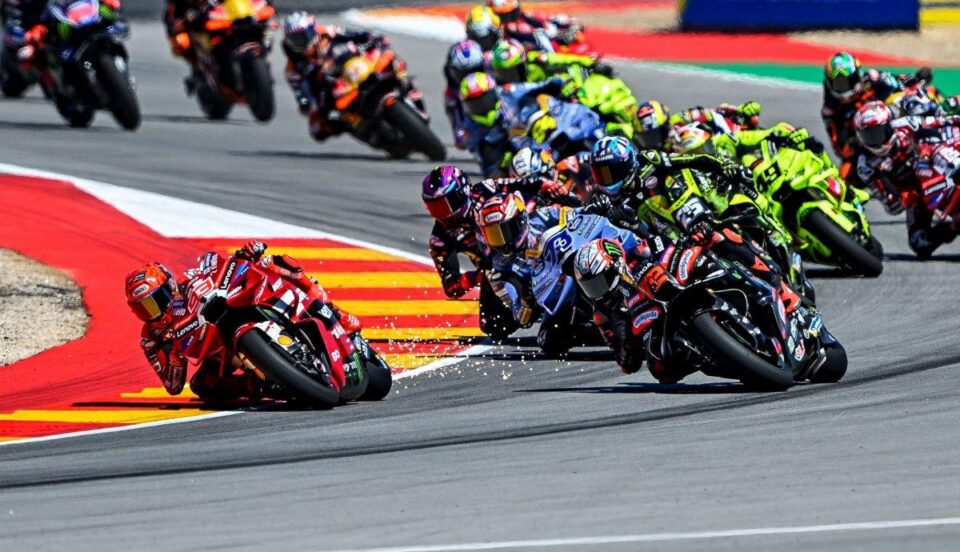
Imagine watching motorcycles racing around a circuit at incredible speeds, riders leaning almost horizontally into corners, and competitors fighting for every fraction of a second. That’s the excitement of MotoGP, one of the most thrilling motorsports competitions in the world.
For experienced fans, the sound of racing engines and the tension of the final laps are familiar. But for beginners, MotoGP can seem complicated. What makes these motorcycles different from ordinary bikes? How do riders earn points? Why do they lean so far into corners? And what happens during a race weekend?
If you’re new to motorcycle racing, there’s plenty to discover. MotoGP combines advanced engineering, incredible athletic ability, strategy, and competition in a way few other sports can match.
Whether you’ve recently discovered MotoGP through social media or want to understand what makes motorcycle racing so popular, this beginner-friendly guide will explain everything you need to know.
Let’s explore 10 essential things that will help you understand and enjoy MotoGP.
1. What Exactly Is MotoGP?
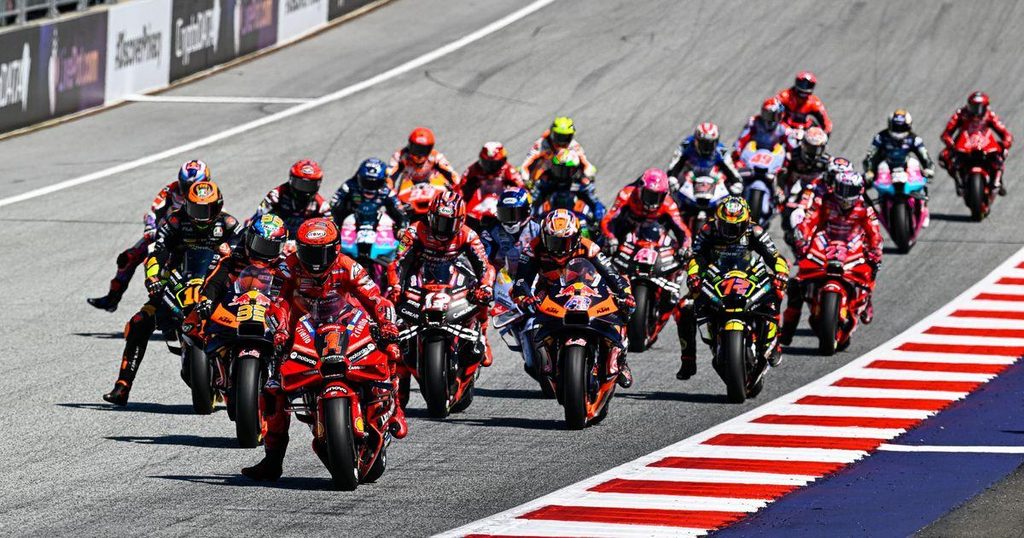
MotoGP is the premier class of international motorcycle road racing. It features some of the world’s most talented motorcycle racers competing on specially designed prototype racing machines.
Unlike ordinary motorcycle competitions, MotoGP uses highly advanced racing motorcycles developed specifically for track performance. These machines are not regular production motorcycles that you can simply purchase from a showroom.
The championship is organized under the Fédération Internationale de Motocyclisme (FIM), the international governing body for motorcycle sport, with commercial and championship operations managed by MotoGP’s rights holder.
MotoGP features manufacturers such as Ducati, Honda, Yamaha, KTM, and Aprilia. These companies compete to develop faster, more efficient, and technologically advanced motorcycles.
The championship takes place across multiple international circuits, attracting millions of fans who follow their favorite riders and teams throughout the season.
What makes MotoGP particularly exciting is its unpredictability. A race can change dramatically because of a crash, a strategic decision, changing weather conditions, or a last-minute overtake.
For beginners, the easiest way to understand MotoGP is to think of it as the highest level of professional motorcycle circuit racing, where speed, precision, technology, and rider skill come together.
For readers who want to explore the championship beyond this beginner’s guide, the official MotoGP website provides race news, rider profiles, team information, championship standings, videos, and updates from the world of motorcycle racing.
2. How Fast Do MotoGP Bikes Actually Go?
One of the biggest reasons people become interested in MotoGP is speed.
These motorcycles are engineered to achieve incredible speeds while maintaining enough control to navigate challenging racing circuits.
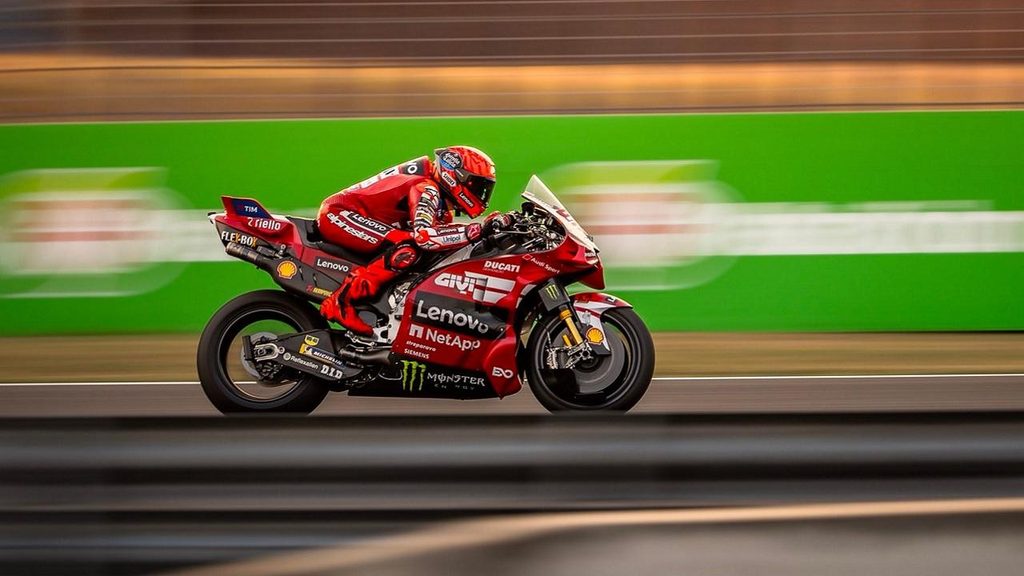
Modern MotoGP bikes can exceed 350 km/h on suitable tracks. Their acceleration is equally impressive, allowing riders to reach extraordinary speeds within a surprisingly short distance.
But speed isn’t everything.
MotoGP riders must also understand braking distances, cornering angles, tire grip, and acceleration. Going too fast into a corner can cause a rider to lose control, while braking too early can allow competitors to overtake.
Several factors determine how fast a MotoGP motorcycle can travel:
- Engine performance: Powerful engines produce the acceleration needed to compete.
- Aerodynamics: Winglets and aerodynamic bodywork help manage airflow and stability.
- Tire grip: Specialized racing tires provide the traction required for acceleration and cornering.
- Track conditions: Weather, surface temperature, and circuit layout influence performance.
- Rider technique: Even the most advanced motorcycle needs a skilled rider to achieve its full potential.
Speed is one of the most fascinating aspects of MotoGP, but controlling that speed is what separates exceptional riders from ordinary competitors.
3. How Does a MotoGP Race Weekend Work?
If you’re watching MotoGP for the first time, you might notice that the competition doesn’t happen on just one day.
A typical MotoGP weekend includes several sessions designed to prepare riders for the main race.
Understanding this schedule makes following the championship much easier.
Friday: Practice Sessions
Friday is generally dedicated to practice. Riders use these sessions to understand the circuit, test motorcycle settings, and evaluate tire performance.
They also work with their teams to identify areas where they can improve their lap times.
The fastest riders in the relevant practice session secure direct entry into Qualifying 2 (Q2), while the remaining riders have to compete in Qualifying 1 (Q1).
Saturday: Qualifying and Sprint Race
Saturday is one of the most exciting days of a MotoGP weekend.
Qualifying determines the starting positions for the Sprint and Grand Prix races.
After qualifying, riders compete in the Sprint, a shorter race that awards championship points.
The Sprint adds another competitive element to the weekend and gives fans an additional opportunity to watch their favorite riders battle for victory.
Sunday: Grand Prix Race
Sunday features the main Grand Prix race.
This is the longer race where riders compete for the maximum available championship points.
Unlike the Sprint, the Grand Prix requires riders to manage their tires, fuel, pace, and strategy over a longer distance.
For beginners, understanding the weekend schedule is an important first step toward enjoying MotoGP.
4. How Does MotoGP Qualifying Work?
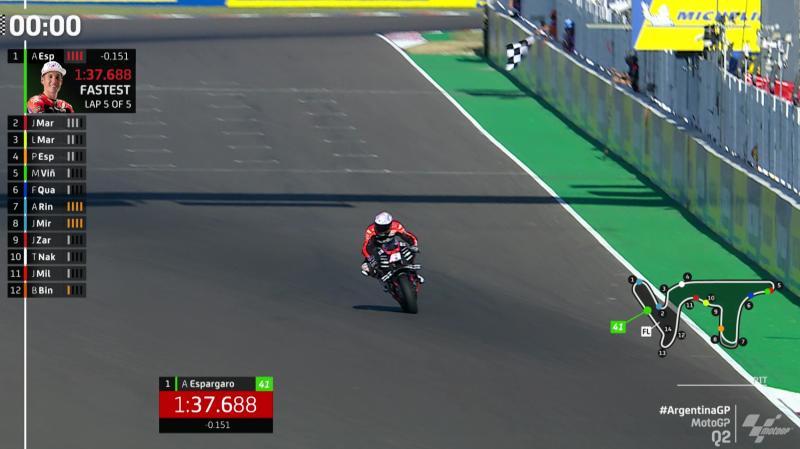
Qualifying is one of the most important parts of MotoGP because it determines where riders start the races.
Starting near the front can provide a significant advantage, especially on circuits where overtaking is difficult.
MotoGP qualifying is divided into two sessions: Q1 and Q2.
Qualifying 1 (Q1):
Riders who don’t secure direct entry into Q2 during practice participate in Q1.
They compete to record the fastest lap times. The two fastest riders advance to Q2.
Qualifying 2 (Q2):
Q2 features the fastest riders from practice and the two successful competitors from Q1.
These riders fight for the best starting positions on the grid.
The rider who records the fastest qualifying lap earns pole position.
Pole position means starting first on the grid, which can provide an important advantage at the beginning of a race.
However, starting first doesn’t guarantee victory. MotoGP history has shown that riders can recover from difficult starting positions and still finish on the podium.
5. How Does the MotoGP Points System Work?
The MotoGP championship isn’t decided by a single race. Riders collect points throughout the season, and the competitor with the most points at the end becomes the world champion.
The points system rewards riders according to their finishing positions.
Grand Prix Race Points
| Position | Championship points |
|---|---|
| 1st | 25 |
| 2nd | 20 |
| 3rd | 16 |
| 4th | 13 |
| 5th | 11 |
| 6th | 10 |
| 7th | 9 |
| 8th | 8 |
| 9th | 7 |
| 10th | 6 |
| 11th | 5 |
| 12th | 4 |
| 13th | 3 |
| 14th | 2 |
| 15th | 1 |
Sprint Race Points
Sprint races award points to the top nine finishers.
| Position | Championship points |
|---|---|
| 1st | 12 |
| 2nd | 9 |
| 3rd | 7 |
| 4th | 6 |
| 5th | 5 |
| 6th | 4 |
| 7th | 3 |
| 8th | 2 |
| 9th | 1 |
This system makes every race important.
A rider who consistently finishes near the front can challenge for the championship even without winning every event.
It also means that one bad weekend can significantly affect a rider’s position in the overall standings.
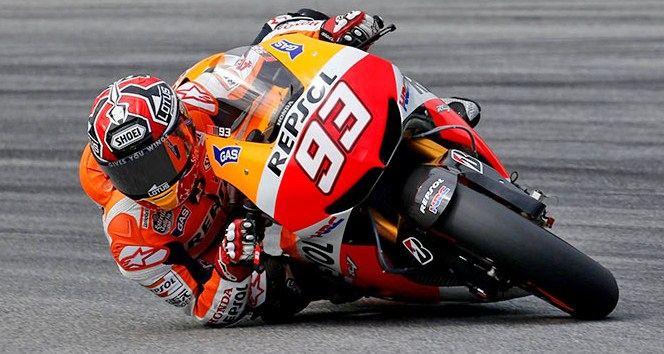
6. Why Do MotoGP Riders Lean So Far Into Corners?
If you’ve ever watched MotoGP footage, you’ve probably noticed something unusual: riders lean dramatically when turning.
Sometimes their knees and elbows appear just inches away from the track surface.
But why do they do this?
The answer involves physics, balance, and tire grip.
When a motorcycle travels through a corner, it needs to lean to balance the forces acting on it. Riders move their bodies toward the inside of the turn to help the motorcycle maintain the required cornering angle.
This technique is known as body positioning.
There are several reasons why riders use it:
- Better balance: Moving their bodies helps manage the motorcycle’s balance through corners.
- Improved cornering: Proper body positioning helps riders navigate turns efficiently.
- Reduced lean requirements: Shifting their body weight inward can reduce how far the motorcycle itself needs to lean for a given cornering speed.
- Better control: Experienced riders can make precise adjustments to maintain stability and traction.
Riders also extend their inside knee toward the track. Knee sliders attached to their racing suits allow them to feel how close they are to the surface.
This is one of the most recognizable techniques in MotoGP and demonstrates the extraordinary physical control required at the highest level of motorcycle racing.
7. How Much Does a MotoGP Bike Actually Cost?
MotoGP motorcycles are among the most technologically advanced racing machines in motorsport.
Unlike ordinary motorcycles, these machines are built with specialized components designed to maximize performance.
Their development involves enormous investments in engineering, research, testing, and materials.
A MotoGP motorcycle can be worth several hundred thousand euros or more, depending on how its value is calculated and which components are included.
However, there’s no single universal price for every MotoGP bike.
Some of the most expensive components include:
Advanced engines: MotoGP motorcycles use powerful prototype engines developed specifically for racing.
Carbon-fiber components: Lightweight materials help reduce weight while maintaining structural strength.
Electronic systems: Sophisticated electronics help manage engine performance, traction, braking, and other functions.
Specialized suspension: Racing suspension systems allow riders and teams to adjust motorcycle behavior for different circuits.
Aerodynamic components: Winglets and specially designed bodywork help improve aerodynamic performance.
The development costs are also significant. Manufacturers spend substantial resources testing new technologies and improving their motorcycles throughout the season.
This is why MotoGP is not just a racing competition. It’s also a major technological challenge for the world’s leading motorcycle manufacturers.
8. What Are the Different MotoGP Teams and Manufacturers?
MotoGP is not simply a competition between individual riders. Teams and motorcycle manufacturers also compete for success.
Each team works with its riders, engineers, mechanics, and technical specialists to prepare motorcycles for every race.
Some of the major manufacturers in modern MotoGP include:
Ducati: The Italian manufacturer has become a major force in modern MotoGP, known for its competitive engineering and powerful racing machines.
Honda: One of the most successful manufacturers in motorcycle racing history, Honda has a long tradition of competing at the highest level.
Yamaha: Yamaha is another famous Japanese manufacturer with an extensive history of MotoGP success.
KTM: The Austrian manufacturer entered the premier class in 2017 and has worked to establish itself as a competitive force.
Aprilia: The Italian manufacturer has developed into an increasingly competitive presence in the championship.
Each manufacturer brings different engineering approaches, technical developments, and racing strategies.
Teams also compete for championship honors, while riders fight for individual recognition.
This combination makes MotoGP exciting because fans aren’t only supporting individual racers; they can also follow the ongoing competition between motorcycle brands.
9. What Happens When a MotoGP Rider Crashes?
Motorcycle racing is exciting, but it also involves serious risks.
MotoGP riders regularly travel at extremely high speeds, sometimes only inches away from other competitors.
A crash can happen because of several factors, including:
- Losing tire grip while cornering.
- Braking too aggressively.
- Making contact with another motorcycle.
- Changing weather conditions.
- Mechanical problems.
- Mistakes during high-speed overtaking.
Fortunately, modern MotoGP has advanced safety systems designed to reduce the risk of serious injuries.
One important development is the airbag system incorporated into modern racing suits.
These systems can inflate during certain crash situations to help protect vulnerable areas of the rider’s body, including the shoulders, chest, and collarbone.
Riders also wear specialized helmets, gloves, boots, and protective suits.
The circuits themselves have safety features such as gravel traps, air fences, and designated run-off areas.
Despite these improvements, MotoGP remains a dangerous sport.
This is why safety regulations, medical teams, protective equipment, and circuit improvements play such important roles in modern motorcycle racing.
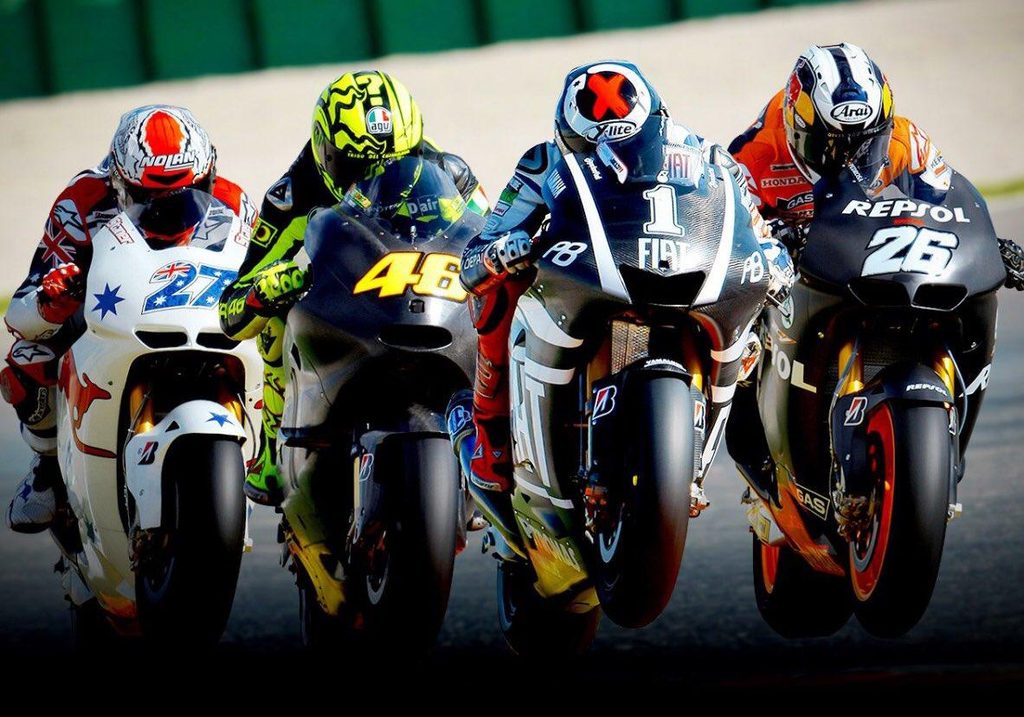
10. Who Are the Greatest MotoGP Riders to Know?
One of the best ways to become interested in MotoGP is to learn about its legendary riders.
Over the years, several competitors have transformed motorcycle racing through their achievements, personalities, and extraordinary riding abilities.
Here are some famous names every new fan should recognize.
Valentino Rossi
Valentino Rossi is one of the most recognizable names in motorcycle racing history. Known for his personality, racing intelligence, and multiple world championships, Rossi helped introduce MotoGP to millions of fans.
Marc Márquez
Marc Márquez is famous for his aggressive riding style, incredible cornering ability, and multiple premier-class championships. His career has included remarkable victories as well as a major comeback following serious injuries.
Jorge Lorenzo
Jorge Lorenzo was known for his smooth riding technique, precision, and remarkable consistency. He became a three-time MotoGP world champion.
Casey Stoner
Casey Stoner was celebrated for his natural talent, exceptional motorcycle control, and ability to achieve extraordinary results.
Giacomo Agostini
Agostini is one of the most successful motorcycle racers in Grand Prix history, with an extraordinary record of world championship victories across different classes.
Learning about these riders makes MotoGP more interesting because every competitor has a different personality, racing style, and story.
Their achievements also help explain why motorcycle racing has developed such a passionate global fanbase.
Why Is MotoGP So Exciting to Watch?
Now that you understand the basics, you might be wondering what makes MotoGP so addictive.
The answer is the combination of speed, uncertainty, competition, and human skill.
Unlike many sports, MotoGP involves extremely small margins between success and failure.
A fraction of a second can determine whether a rider wins a race or finishes outside the podium positions.
There are several reasons fans keep coming back:
- Unpredictable races: Unexpected overtakes, crashes, and changing conditions can completely transform a race.
- Intense rivalries: Competition between famous riders creates unforgettable sporting moments.
- Advanced technology: The engineering behind these motorcycles is fascinating.
- International competition: Races take place at circuits around the world.
- Exceptional talent: Riders demonstrate extraordinary balance, concentration, strength, and courage.
For beginners, watching a few races while following the riders and teams can make the sport much easier to understand.
You don’t need to know every technical detail before enjoying MotoGP. Even understanding the basic rules and points system will make watching much more entertaining.
Final Thoughts: Is MotoGP Worth Following?
Absolutely!
MotoGP is much more than motorcycles racing around a circuit. It’s a combination of advanced technology, physical ability, strategic thinking, and intense competition.
From understanding how qualifying works to discovering why riders lean into corners, every detail makes the championship more fascinating.
If you’re new to MotoGP, start by following a few riders, learning the race weekend format, and watching the Sprint and Grand Prix races.
As you become more familiar with the sport, you’ll begin to recognize different racing strategies, understand team rivalries, and appreciate the incredible skills required to compete at this level.
The best part? You don’t have to be a motorcycle expert to become a fan.
All you need is an interest in speed, competition, and thrilling sporting moments.
MotoGP offers all three in one incredible racing experience.
For more Articles like this Visit our Website MediaRay
