

Why Do We Stalk People We Claim to Have Moved On From? The Psychology Explained
Have you ever told yourself that you’ve moved on from someone, only to find yourself searching for their Instagram profile at midnight? Perhaps you no longer talk to them, have deleted their number, and insist that they no longer matter. Yet, somehow, you still know what they are doing, where they are going, and whether they are seeing someone new.
It sounds contradictory, doesn’t it?
The truth is that moving on emotionally is not always as simple as ending communication. Sometimes, we stop talking to someone but continue following their life from a distance. We stalk their social media profiles, check their latest pictures, watch their stories, and occasionally search for clues about their relationships.
But why do we do this when we claim to have moved on?
The psychology behind this behaviour is more complicated than simple curiosity. It can involve unresolved emotions, emotional attachment, nostalgia, insecurity, jealousy, and the desire for closure.
Let’s explore why we stalk people we claim to have moved on from and what this behaviour reveals about our emotional state.

1. We Haven’t Fully Let Go Emotionally
One of the biggest reasons people stalk someone they claim to have moved on from is that their emotions haven’t completely caught up with their decisions.
You might have accepted that a relationship is over, understood that a friendship cannot be repaired, or decided that someone no longer belongs in your life. However, accepting something logically doesn’t necessarily mean accepting it emotionally.
This is why people sometimes continue checking someone’s social media long after communication has ended.
When you stalk someone, you might not necessarily want them back. You could simply be struggling to disconnect from the emotional connection you once shared.
Old memories, unanswered questions, and familiar feelings can make it difficult to completely forget someone.
Moving on is a process, not an overnight decision. Sometimes, your mind needs more time to accept what your heart already knows.
Emotional attachment can sometimes lead to repetitive thinking about past experiences and relationships. Psychology describes this pattern as rumination, where a person repeatedly thinks about distressing or emotionally significant situations. According to the American Psychological Association’s definition of rumination, this pattern involves repeatedly focusing on thoughts and feelings rather than moving towards a solution.
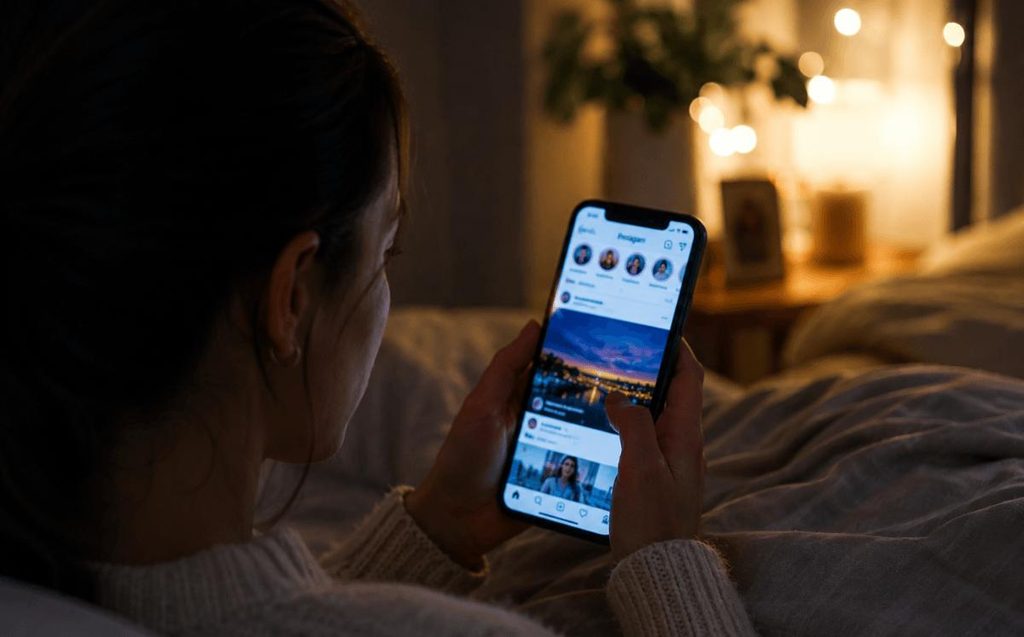
2. Curiosity Makes Us Want to Know What’s Happening in Their Lives
Let’s be honest: most people have wondered what happened to someone they once considered important.
Are they happy? Have they found someone new? Did they achieve the things they once talked about? Do they ever think about us?
These questions can make it tempting to stalk people even when there is no intention of reconnecting.
Human beings are naturally curious, particularly when something involves people who once played an important role in their lives.
When someone disappears from our everyday routine, we lose access to the small details we once knew about them. Social media makes it incredibly easy to fill that information gap.
A quick profile visit can reveal their latest pictures, activities, friendships, and major life updates.
The problem is that curiosity can become a habit. What starts as an occasional search can turn into checking someone’s profile every few days.
Eventually, you might find yourself knowing more about their current life than you expected.

3. We Want to Know If They Have Moved On Too
This is perhaps one of the most emotionally complicated reasons people stalk someone from their past.
Sometimes, we don’t necessarily want that person back. We simply want to know whether they have forgotten us.
Seeing someone enjoying life after a breakup or friendship ending can create unexpected emotions.
You might wonder whether they miss you, whether they regret losing you, or whether their life has become better without you.
Their social media activity can become a way of searching for answers to questions you are afraid to ask directly.
For example, seeing them post happy pictures might make you question whether you ever mattered to them. Seeing them with someone new might trigger jealousy or feelings of rejection.
This doesn’t automatically mean you are still in love with them. Sometimes, it means you want reassurance that the connection you once shared was meaningful.
We often want to believe that people who mattered to us also remember us.
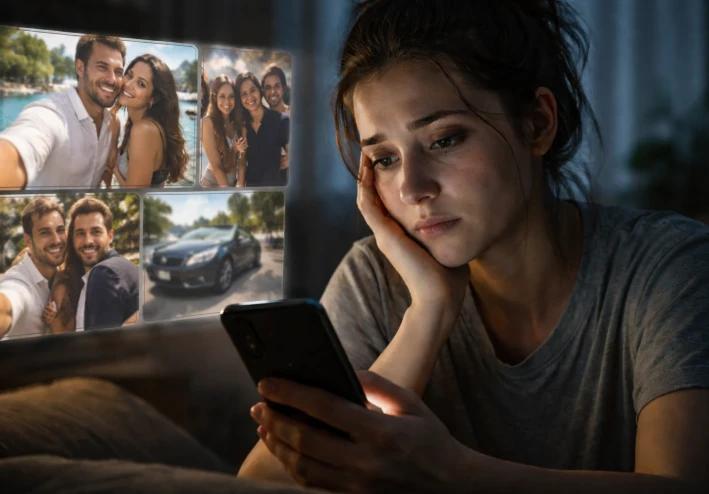
4. Social Media Makes It Almost Impossible to Forget Someone
Before social media became part of everyday life, moving on often meant losing contact with someone.
You might never know where they travelled, who they met, or what happened in their personal lives.
Today, things are completely different.
Instagram, Facebook, TikTok, and other platforms make it incredibly easy to stalk people without having direct conversations with them.
Their pictures, stories, comments, and updates are often just a few clicks away.
Even when you aren’t actively searching for someone, their profile might appear through mutual friends, suggested accounts, or shared content.
This constant accessibility makes emotional distance more difficult.
Imagine trying to forget someone while regularly seeing their face on your screen. Every update can bring back memories you were trying to leave behind.
Social media doesn’t necessarily create emotional attachment, but it can make it harder to break the habits associated with it.
Sometimes, the biggest obstacle to moving on isn’t the person themselves. It’s the constant access we still have to their lives.
5. We Compare Our Lives With Theirs
Another common reason people stalk someone from their past is comparison.
After a relationship or friendship ends, people sometimes become curious about how the other person’s life is progressing.
If they appear successful, happy, or surrounded by new people, you might start comparing their life with yours.
Questions begin to appear:
- Are they happier without me?
- Have they achieved more since we stopped talking?
- Did they find someone better?
- Why does their life look so perfect?
- Am I falling behind while they move forward?
Social media makes these comparisons particularly tempting because people usually share selected moments rather than their complete reality.
You might see someone’s vacation pictures, professional achievements, expensive purchases, and happy relationships without knowing anything about their struggles.
When you stalk people to compare your progress with theirs, you risk measuring your everyday reality against someone else’s carefully selected highlights.
This can create unnecessary insecurity and make it difficult to appreciate your own progress.
Remember, someone else’s happiness doesn’t mean your life is going badly.
6. Unfinished Business Keeps Our Minds Connected
Not every relationship ends with a proper conversation.
Some people leave without explaining themselves. Others disappear unexpectedly, end friendships over misunderstandings, or walk away without giving the other person an opportunity to express their feelings.
These experiences can leave emotional questions unanswered.
You might continue thinking about what went wrong, whether things could have been different, or whether the other person ever understood how much they hurt you.
This is one reason people continue to stalk people they no longer communicate with.
Their minds are still searching for some form of closure.
Sometimes, they hope to find an explanation in a photograph, a social media caption, or a change in someone’s behaviour.
Unfortunately, social media rarely provides the answers people are looking for.
A new picture cannot explain why someone left. A relationship update cannot tell you whether they regret their decisions.
Closure doesn’t always come from understanding another person’s actions. Sometimes, it comes from accepting that you may never receive the explanation you wanted.
7. We Miss the Memories, Not Necessarily the Person
One interesting aspect of human emotions is that we can miss experiences without wanting to repeat them.
You might remember late-night conversations, shared jokes, special occasions, or the feeling of having someone who understood you.
These memories can make you nostalgic, even if the relationship itself was unhealthy or unsuitable.
When you stalk someone from your past, you might actually be looking for a connection to those memories.
Perhaps you miss who you were during that period of your life. Maybe you miss the attention, excitement, comfort, or familiarity that came with knowing them.
This distinction is important.
Missing someone doesn’t automatically mean they belong in your future.
Sometimes, we romanticize the good moments and conveniently forget the reasons a relationship ended.
Before interpreting your curiosity as love, ask yourself whether you genuinely miss the person or simply miss how things used to feel.
8. Jealousy Can Make Us Keep Checking Their Profiles
Jealousy is another powerful emotion that can encourage people to stalk someone they claim to have moved on from.
Seeing an ex-partner or former friend enjoying life with new people can trigger unexpected reactions.
You might feel uncomfortable when they appear happier, more successful, or more socially active than before.
The feeling can become stronger when they enter a new relationship.
Suddenly, you might find yourself checking their partner’s profile, looking at their pictures together, and trying to understand what their new relationship looks like.
Sometimes, this behaviour comes from insecurity rather than genuine romantic interest.
You may begin questioning your own worth or wondering why someone else received the attention you once wanted.
However, another person’s relationship is not a measurement of your value.
Their decision to move forward doesn’t make your past connection meaningless, nor does it mean you were somehow inadequate.
9. We Enjoy the Feeling of Knowing What’s Happening Without Being Involved
There is something strangely comforting about knowing what someone is doing without having to communicate with them.
You can observe their life from a distance, satisfy your curiosity, and avoid the emotional risks associated with direct contact.
This creates an unusual situation.
You are no longer part of their everyday life, but you still feel connected through the information you collect.
For some people, this becomes a way of maintaining a small sense of familiarity without actually rebuilding the relationship.
The problem is that this distant connection can prevent emotional separation.
When you repeatedly stalk people, you may unintentionally keep them present in your thoughts and daily routines.
You might have stopped sending messages, but you haven’t completely stopped participating in their lives mentally.
Sometimes, real distance requires more than ending conversations. It requires accepting that you no longer need to know everything about someone.
10. Sometimes, We Just Want to Feel Remembered
Perhaps the most uncomfortable reason behind this behaviour is the desire to know whether we still matter to someone.
When a meaningful connection ends, people can struggle with the idea that someone who once knew everything about them might eventually become a stranger.
You might wonder whether they remember your conversations, miss your presence, or occasionally think about the moments you shared.
This desire isn’t necessarily about wanting a relationship again.
Sometimes, we simply want confirmation that we weren’t easily forgotten.
When you stalk people from your past, you might be searching for small signs that they still remember you.
However, social media cannot reliably tell you what someone feels.
A person can post happy pictures while privately struggling. Someone can stop interacting with your content without necessarily forgetting you.
Your worth shouldn’t depend on whether someone from your past still thinks about you.
Is Stalking Someone on Social Media a Sign That You Haven’t Moved On?
Not necessarily.
Occasionally checking someone’s profile doesn’t automatically mean you are emotionally attached or secretly hoping to reconnect.
Human curiosity is normal. People sometimes look up former classmates, old friends, previous colleagues, or ex-partners simply because they wonder how life has treated them.
However, the behaviour becomes concerning when it starts affecting your emotional well-being.
Here are a few signs that checking someone’s profile might be preventing you from moving forward:
- You check their profile repeatedly throughout the day.
- Their pictures or updates regularly affect your mood.
- You compare your appearance, relationships, or achievements with theirs.
- You keep checking whether they are online.
- You search for information about their new relationships.
- You feel anxious when you cannot access their profile.
- You struggle to focus on your own life because you are constantly thinking about theirs.
If you recognize yourself in several of these behaviours, it might be worth examining why you feel the need to keep checking.
The goal isn’t to judge yourself. It’s to understand what emotional need this habit might be fulfilling.
How to Stop Stalking Someone and Finally Move On
If you have realized that checking someone’s profile is keeping you emotionally stuck, there are several practical steps you can take.
1. Mute or Unfollow Their Social Media Accounts
The first step is reducing unnecessary exposure.
Mute their stories, unfollow their accounts, or remove them from your followers if necessary.
You don’t have to keep someone’s updates in front of you to prove that you have moved on.
2. Stop Searching for Hidden Meanings
A social media caption, photograph, or song doesn’t necessarily contain a secret message for you.
Avoid interpreting every update as a sign that someone misses you, regrets losing you, or wants your attention.
Not everything someone posts is connected to your past relationship.
3. Understand What You Are Actually Missing
Ask yourself an honest question:
Do you miss the person, the attention, the memories, or simply the feeling of being important to someone?
Understanding the real reason behind your behaviour can help you address the emotional need instead of repeatedly checking their profile.
4. Invest More Time in Your Own Life
Spend time with friends, explore new interests, focus on personal goals, and build experiences that have nothing to do with the person you are trying to forget.
The more attention you give your own life, the less space you leave for unnecessary comparisons.
5. Give Yourself Permission to Move Forward
You don’t need to hate someone to stop checking their profile.
You don’t need to forget every memory or pretend the relationship never mattered.
You simply need to accept that some people belong in your past, and that’s okay.
Moving on doesn’t mean erasing someone from your memory. It means reaching a point where knowing what they are doing is no longer important to your happiness.
Final Thoughts: Why Do We Stalk People We Claim to Have Moved On From?
So, why do we stalk people we claim to have moved on from?
Sometimes, it’s curiosity. Sometimes, it’s jealousy, nostalgia, unresolved emotions, or the desire to know whether someone still remembers us.
Whatever the reason, the behaviour often reveals something about our emotional connection to the past.
We might stop talking to someone, delete their number, and convince ourselves that we no longer care. Yet, a small part of us may still wonder what their life looks like without us.
And that’s human.
However, there is a difference between occasionally remembering someone and constantly monitoring their life.
You deserve to experience your present without repeatedly comparing it with someone else’s.
Perhaps the real meaning of moving on isn’t reaching a point where you never think about someone again. It’s reaching a point where you no longer feel the need to check what they are doing.
Because sometimes, the best way to move on is to stop looking back.
Understanding why we struggle to move on is an important part of understanding our emotional and psychological well-being. Sometimes, our attachment to people can influence how we think, behave, and approach future relationships. Exploring more topics about psychology, relationships, and human behaviour on MediRay can help readers better understand these complicated emotions and everyday experiences.
