
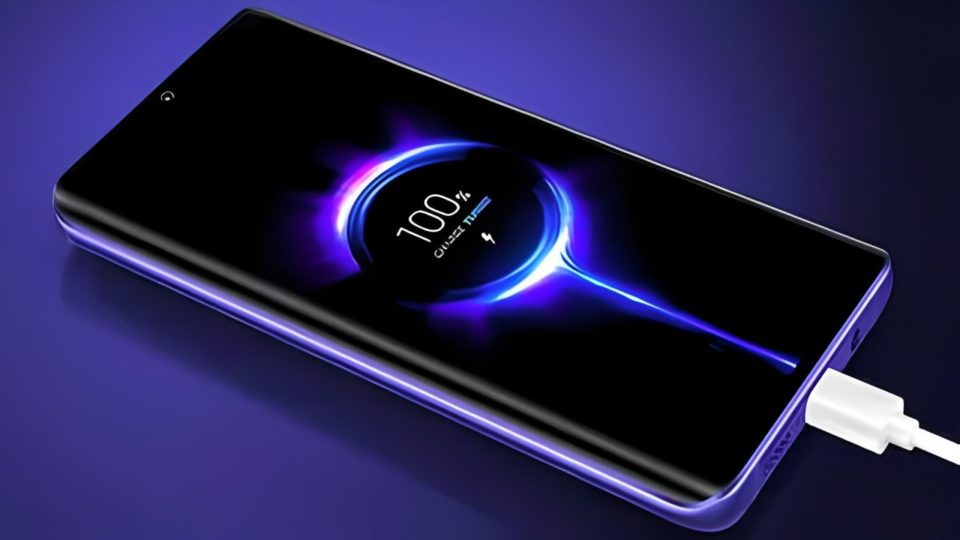
In a world increasingly driven by technology, our devices have become indispensable. Smartphones, laptops, tablets, and other gadgets are extensions of ourselves, seamlessly integrating into our daily lives. But as much as I love my gadgets, I have a confession: I often charge them to 100%, even though I know it’s not great for their longevity.
It’s a seemingly small habit, but one that raises a significant question: Why do I knowingly engage in a practice that may reduce my devices’ lifespan? Let me explain.
The Convenience Factor
In today’s fast-paced world, convenience is king. A fully charged device means peace of mind. It ensures that my smartphone won’t die during an important call, my laptop won’t power down during a presentation, and my headphones won’t stop mid-workout.
Leaving the house with a device charged to anything less than 100% feels like stepping into the unknown. Will I make it through the day? Will I have to scramble to find a charging station? A fully charged battery is my safety net, providing a sense of preparedness for whatever the day throws at me.
Battery Anxiety: The Fear of Running Out
Battery anxiety is real, and I’m not alone in experiencing it. The sight of a dwindling battery percentage can induce panic, especially if I’m out and about with no charger in sight.
Modern devices boast excellent battery life, but our usage habits have kept pace with technological advancements. Streaming videos, scrolling through social media, and using GPS navigation are all battery-intensive activities. Charging to 100% helps me ward off the dread of a low battery notification, even if I know I might not need that much power in a single day.
Maximizing Utility in the Short Term
Many experts recommend keeping devices charged between 20% and 80% to extend battery health. However, this optimal charging window can be challenging to maintain, especially when you have a busy schedule.
When I plug in my device, I want to make the most of that charging session. Charging to 100% means I don’t have to think about topping it up throughout the day. It’s a trade-off: I prioritize immediate utility and convenience over the long-term health of the battery.
The Perception of Value
Devices are expensive, and I view them as investments. When I buy a new gadget, I want to get the most value out of it during its usable life.
For me, that value is measured by how well the device serves my needs on a daily basis—not by how long the battery might last if I followed best practices. I’d rather have a fully charged device that supports my productivity than worry about preserving its battery health for years down the line.
The Trade-Off: Longevity vs. Performance
Charging to 100% undoubtedly affects the battery’s lifespan. Lithium-ion batteries, which power most modern devices, degrade faster when consistently charged to full capacity. However, the trade-off isn’t as clear-cut as it seems.
Technology evolves rapidly. By the time the battery noticeably deteriorates, I’m often ready to upgrade to a newer model. This isn’t to say I’m wasteful, but rather that I prioritize the device’s performance in the present over its long-term viability.
Can I Break the Habit?
Knowing that charging to 100% isn’t ideal doesn’t mean I’m oblivious to its impact. I’ve tried adjusting my charging habits—unplugging at 80%, using smart plugs, or relying on apps that manage battery health. While these methods work in theory, they often feel inconvenient in practice.
Perhaps it’s a psychological barrier. Charging to 100% offers a sense of closure, a tangible indicator that my device is “ready” for the day. Leaving it at 80% feels incomplete, even if I know it’s better for the battery.
Conclusion
Charging devices to 100% may not be the best practice for battery longevity, but for many of us, it’s a small compromise for the sake of convenience, peace of mind, and utility.
The key, I’ve realized, is balance. While I may not always adhere to the 20%-80% rule, I try to be mindful of my charging habits. Avoiding overnight charging, using optimized charging features, and unplugging when feasible are small steps toward preserving battery health without sacrificing convenience.
At the end of the day, our devices are tools meant to serve us. Whether you charge to 100% or follow the optimal charging guidelines, the goal is to use your gadgets in a way that best fits your lifestyle. For now, I’ll continue charging to full capacity—fully aware of the trade-offs, but confident in my choice to prioritize immediate reliability over long-term concerns.
