
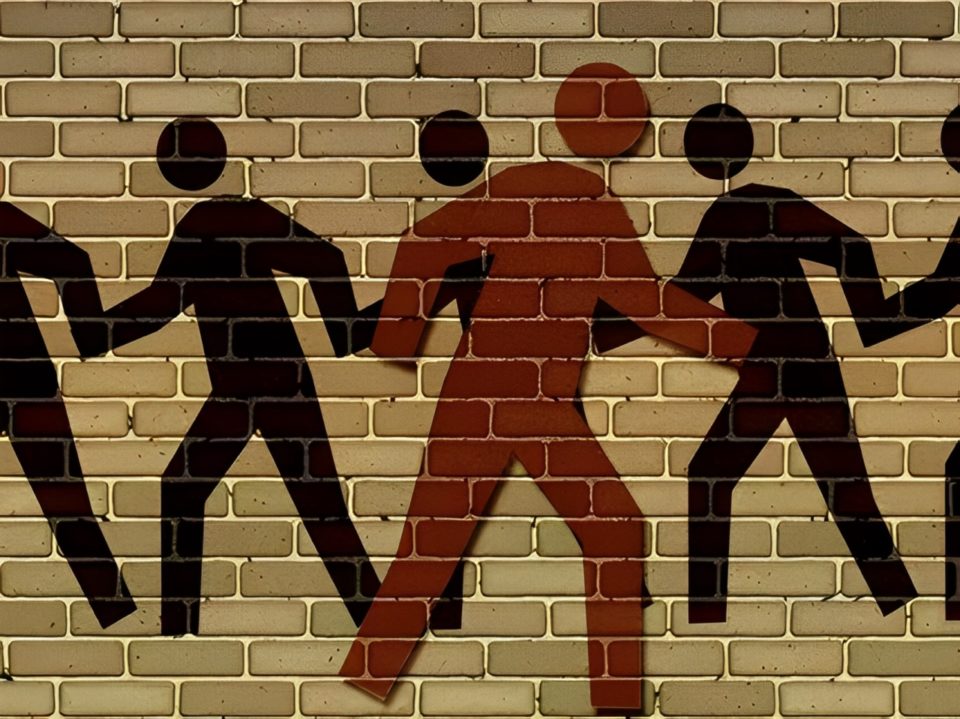
Fear and self-abandonment are two deeply intertwined dynamics that often pave the way for poor boundaries and unmet needs. At the core of these issues lies a disconnection from our true selves and a reluctance to honor our desires, values, and limits. Understanding how fear and self-abandonment manifest is essential for reclaiming control over our lives and fostering healthier relationships.
The Role of Fear in Self-Abandonment
Fear is a powerful emotion that can influence our decisions and behaviors. When left unchecked, it often drives us to abandon ourselves in an attempt to avoid conflict, rejection, or failure. Here are some common fears that lead to self-abandonment:
Fear of Rejection: Many people fear being rejected if they assert their needs or desires. This fear can result in people-pleasing behaviors, where we prioritize others’ happiness over our own.
Fear of Conflict: The discomfort of confrontation often pushes individuals to stay silent or compromise their values, leading to resentment and dissatisfaction.
Fear of Failure: This fear can prevent us from taking risks or pursuing what we truly want, leaving us stuck in unfulfilling situations.
What Is Self-Abandonment?
Self-abandonment occurs when we neglect our own needs, feelings, and boundaries in favor of others. It’s the act of silencing our inner voice to conform to external expectations. Over time, self-abandonment erodes our sense of self-worth and leaves us feeling unfulfilled.
Signs of self-abandonment include:
Ignoring your emotions or pretending they don’t exist.
Constantly prioritizing others’ needs over your own.
Feeling unworthy or undeserving of love and respect.
Avoiding difficult conversations to keep the peace.
Feeling disconnected from your goals and passions.
The Impact on Boundaries
When fear and self-abandonment take hold, they undermine our ability to set and maintain healthy boundaries. Boundaries are critical for protecting our emotional and bodily well-being. Without them, we risk feeling overextended, unappreciated, and resentful.
Poor boundaries often manifest as:
Saying “yes” when you want to say “no.”
Allowing others to dictate your time, energy, or decisions.
Feeling responsible for others’ emotions or actions.
Avoiding accountability in your relationships.
Breaking Free: Steps to Reclaim Yourself
Acknowledge Your Fears Start by identifying the fears that drive your self-abandonment. Journaling or speaking with a trusted friend or therapist can help uncover these fears and how they impact your behavior.
Reconnect With Your Inner Self Spend time reflecting on your values, needs, and desires. Practices like mindfulness, meditation, or creative expression can help you rediscover your authentic self.
Practice Self-Compassion Be kind to yourself as you navigate the process of change. Self-compassion fosters resilience and helps you stay committed to your growth.
Set Clear Boundaries Learn to say “no” without guilt and communicate your needs assertively. Start small and gradually expand your comfort zone.
Challenge Negative Beliefs Identify and reframe limiting beliefs about yourself and your worth. Replace thoughts like “I’m not good enough” with affirmations such as “I deserve respect and kindness.”
Seek Support Surround yourself with people who respect and uplift you. Consider seeking professional guidance to help navigate complex emotional patterns.
Conclusion
Fear and self-abandonment can feel like insurmountable barriers to a fulfilling life. However, by recognizing these patterns and taking deliberate steps to honor your true self, you can cultivate healthy boundaries and align your life with your deepest desires. Remember, you are worthy of love, respect, and the life you dream of. The journey begins with the courage to reclaim yourself.
