
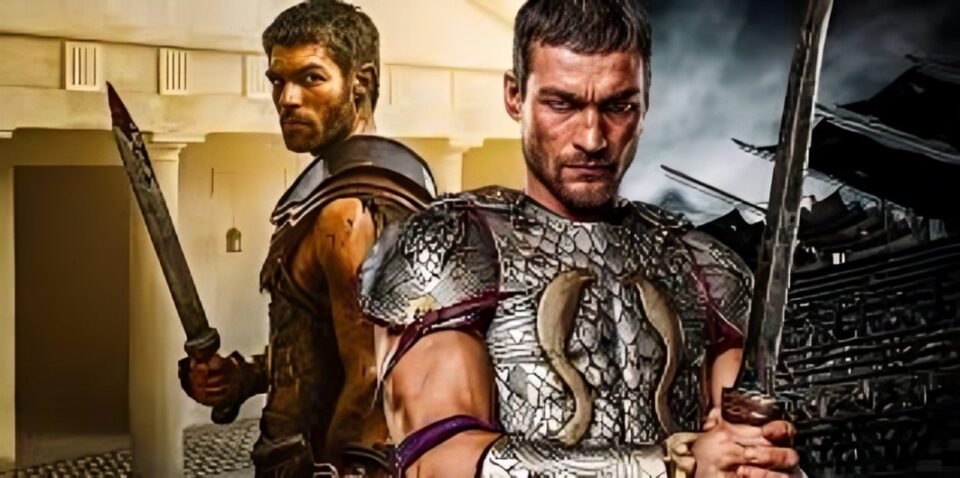
The TV series Spartacus, which aired from 2010 to 2013, gained a devoted following for its raw energy, graphic violence, and dramatic storytelling. Set in ancient Rome, it followed the life of the famous gladiator who led a slave uprising against the Roman Republic. While the show had undeniable entertainment value, it also came with a fair share of historical, narrative, and stylistic flaws. Here’s a breakdown of what went wrong with Spartacus—and why it matters.
Historical Inaccuracy (Sometimes to the Point of Absurdity)
While no one expects TV drama to be a history textbook, Spartacus often stretched facts to their limits—and then broke them.
- Costumes and Weapons: Many characters wore outfits and carried weapons that didn’t exist in the Roman period. Gladiators, for example, are shown fighting with absurd armor and modern-style swords rather than historically accurate gear.
- Events and Timelines: Key battles, alliances, and political events are wildly condensed, exaggerated, or changed altogether. Spartacus’s revolt lasted about two years; in the show, it feels like five.
- Character Portrayals: Important historical figures like Crassus, Caesar, and Gannicus are stylized and fictionalized to the point of caricature, often to add dramatic twists.
This level of inaccuracy may not bother every viewer, but for those who care about the ancient world, it feels more like fantasy than a grounded historical tale.
Excessive Violence and Sexual Content
From the start, Spartacus was infamous for its over-the-top gore and graphic nudity. While these elements initially grabbed attention, they often distracted from the story rather than serving it.
- Stylized Violence: Blood splashes across the screen in slow motion, heads are decapitated in dramatic arcs—it all starts to feel like a video game rather than a meaningful portrayal of brutality.
- Sexual Exploitation: The show aimed to explore power dynamics, but at times it veered into exploitation. Scenes of nudity and sexual violence sometimes felt gratuitous, inserted more for shock than substance.
For many, this became exhausting rather than engaging—especially when it overshadowed emotional depth or character development.
Repetitive Plotlines
As the series progressed, especially after the first season, Spartacus struggled with keeping the storyline fresh. Much of the plot became a cycle of:
- Betrayal
- Revenge
- Power struggles
- Grand speeches before a bloody battle
While these themes are core to ancient Roman drama, the constant repetition made some seasons feel dragged out or bloated.
One-Dimensional Characters
Despite having a large cast, many of the characters felt flat or formulaic:
- The Noble Slave: Spartacus is always right. Always noble. Rarely challenged in a way that shows internal conflict.
- The Evil Roman: Most Roman characters, with few exceptions, are painted as sadistic, power-hungry villains.
- Supporting Cast: While some secondary characters had compelling arcs (like Crixus or Lucretia), others were sacrificed for plot or simply faded away.
Real human motivations are complex—but Spartacus often simplified them into black and white categories of “hero” and “villain.”
Aesthetic Over Substance
The visual style of Spartacus was bold and unique—heavily inspired by the movie 300. But at times, it leaned so far into stylization that it lost emotional weight.
- Scenes of slow-motion action, constant dramatic lighting, and choreographed fights made the show look cool, but they also distanced viewers from the characters’ pain and the stakes of rebellion.
- Realistic portrayals of hardship and oppression were often sacrificed in favor of stylized action sequences.
Conclusion
Spartacus remains a cult favorite for a reason—it was fearless, dramatic, and unlike anything else on TV at the time. But its weaknesses—historical inaccuracy, excessive violence, repetitive structure, and shallow characterization—prevent it from reaching the level of greatness it aimed for.
For those looking to enjoy an ancient Roman thrill ride, it still delivers. But for viewers seeking nuanced storytelling or historical substance, Spartacus leaves much to be desired. It entertained, yes—but it missed opportunities to truly educate, humanize, and dig deeper into one of history’s most powerful uprisings.
