
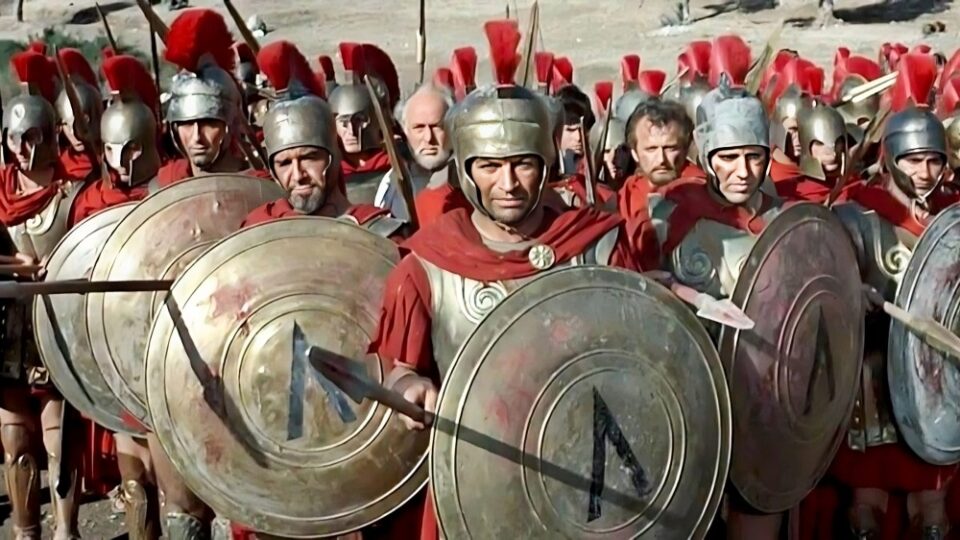
The Spartans are legendary for producing some of the fiercest warriors the world has ever known. Their military discipline, courage, and toughness still inspire awe centuries later. But what many don’t realize is that Spartan boys didn’t just grow into soldiers—they were forged into warriors from a very young age through one of the harshest training systems in history: the agoge.
This brutal upbringing was designed to strip away weakness, build unshakable loyalty to Sparta, and create fighters who would rather die in battle than flee in fear. Here’s how Spartan boys became invincible warriors.
A Warrior’s Life Began at Birth
In Sparta, life was a test from the very beginning. When a boy was born, elders inspected him for signs of weakness or deformity. If he was deemed unfit for the warrior life, he could be abandoned and left to die. The message was clear: only the strong survived.
Taken from Home at Age 7
At the age of seven, Spartan boys were taken from their families and placed in the agoge—a state-run military training program that became their new life. There, they were taught to endure pain, hunger, fear, and hardship. From this point on, their loyalty was not to their parents, but to Sparta.
Training the Body and the Mind
The agoge didn’t just train physical strength. Boys learned combat techniques, wrestling, and weapons handling—but they also studied survival, stealth, and endurance. They were encouraged to steal food to survive—but punished severely if caught. This taught them how to be clever and careful under pressure.
Discipline was everything. They marched barefoot, wore the same clothes year-round, and slept on beds they made from reeds they were expected to gather themselves.
Taught to Feel No Pain or Fear
One of the main goals of Spartan training was to make boys emotionally and physically invulnerable. They were whipped regularly—not for punishment, but to teach them how to endure pain in silence. Crying or complaining was a sign of weakness.
By enduring hunger, cold, injury, and humiliation without flinching, Spartan boys became mentally armored for battle.
Fighting Was the Final Test
As they grew older, Spartan boys were often pitted against one another in mock battles—sometimes brutally realistic. These fights weren’t just about winning—they were about demonstrating strength, bravery, and leadership. Only those who showed true warrior qualities would move on to become full Spartan soldiers, known as hoplites.
Becoming a Full Spartan Warrior
At 20, if they had passed the agoge, a young man became a full member of the Spartan army. He was expected to live in military barracks with his comrades until age 30, ready to go to war at a moment’s notice. Marriage and family were secondary to military service.
Spartans were famous for their motto:
“Come back with your shield—or on it.”
This meant victory or death. Cowardice was not tolerated.
Why It Worked
This intense training system made the Spartans one of the most feared military forces in the ancient world. At the Battle of Thermopylae, 300 Spartans held off a Persian army of thousands for days—because they had been raised to fight, never surrender, and die with honor.
Conclusion
The Spartan system was harsh, even inhuman by today’s standards. But it created warriors who lived and breathed discipline, bravery, and loyalty. They weren’t born invincible—they were molded that way, through years of pain, pressure, and purpose.
And that’s why, even today, the name “Spartan” is still a symbol of strength.
