
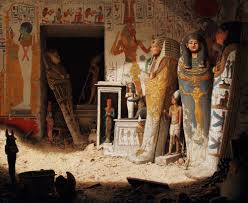
Throughout ancient history, tomb robbing was considered one of the most shameful and serious crimes. Not only was it seen as theft—it was viewed as a spiritual violation, an assault on the dignity of the dead and an act that disturbed the natural order of the afterlife.
In many ancient societies, especially in Egypt, Mesopotamia, and parts of the Roman Empire, robbing a tomb was punishable by death. But in some cases, the punishment went further: tomb robbers were hanged from trees, their bodies left on display for all to see.
Why such harsh treatment? And what does it reveal about ancient values, justice, and fear?
Grave Offense: Why Tomb Robbery Was So Hated
In ancient Egypt, tombs weren’t just burial sites—they were eternal homes for the dead. Egyptians believed that disturbing a tomb could prevent the soul from reaching the afterlife. To rob a tomb was to destroy someone’s eternity.
This wasn’t just a moral crime—it was a cosmic crime. And the law treated it as such.
Ancient legal documents from the New Kingdom (c. 1550–1070 BCE) show that suspected tomb robbers were brought before judges, tortured for confessions, and executed—often in public, and often with their punishment carefully recorded in papyrus scrolls.
Hanging from a Tree: A Warning to All
In some regions, execution for tomb robbing included hanging the criminal’s body from a tree. This wasn’t random—it was symbolic.
- The tree was a public symbol of shame. Just as the tomb robber had shamed the dead, their body was now a visible mark of disgrace to the living.
- Hanging was meant to dishonor. Many ancient cultures believed that dying by hanging—or having your body exposed after death—could deny you peace in the afterlife.
- It was a deterrent. Bodies hanging in plain sight sent a chilling message: rob the dead, and you’ll join them—without honor, without burial, and without hope.
The Economic Motive Behind the Crime
Tomb robbers weren’t always desperate criminals. Some were former workers, artisans, or even members of temple staff who knew the locations of wealthy tombs. Tombs were often filled with gold, jewels, weapons, and perfumes—perfect targets for theft.
As dynasties weakened and central control faded (especially during times of famine or war), tomb robbing became more common. Even priests were sometimes accused of selling relics from tombs to keep temples financially afloat.
But when caught, the punishment was swift—and severe.
The Legacy of Ancient Justice
Today, archaeologists still find evidence of ancient tombs that were broken into—and sometimes even ancient graffiti left by robbers mocking the dead or warning other looters.
But we also find official records of trials, executions, and the justice systems that tried to protect the sacredness of death.
The image of a tomb robber hanging from a tree isn’t just a gruesome tale—it’s a reflection of how seriously ancient cultures took the boundary between life and death.
Conclusion
In a world where the afterlife was everything, robbing the dead was not just stealing riches—it was stealing peace.
By hanging tomb robbers from trees, ancient societies sent a message as clear as it was brutal: You cannot profit from death without inviting your own.
Their punishment was a reminder etched into history: some crimes go beyond the physical world—and the response, in the eyes of ancient justice, had to be equally eternal.
