
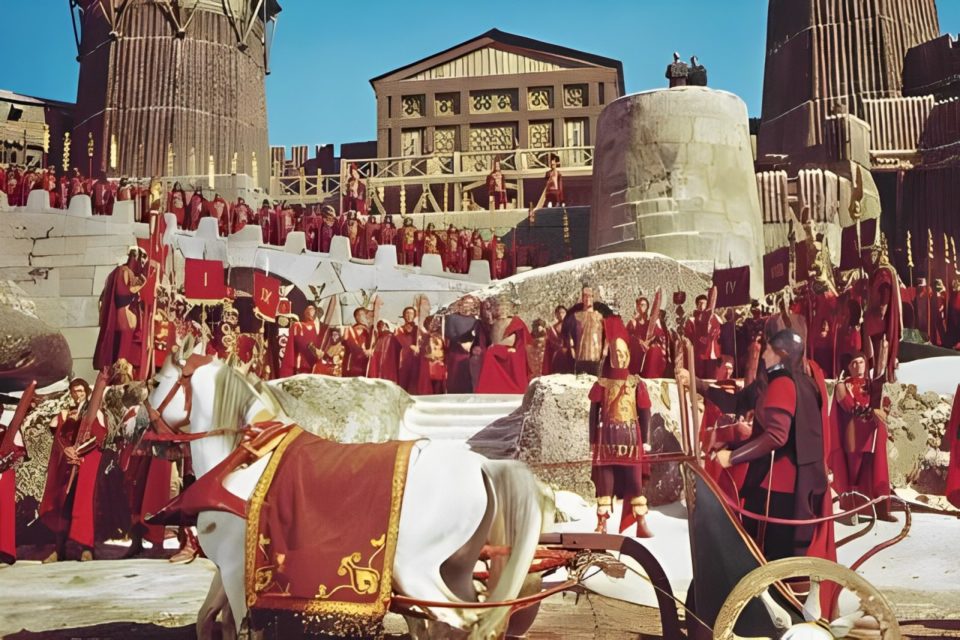
The Roman Empire, renowned for its military might, extensive territory, and architectural marvels, began as a republic before transitioning to an imperial autocracy. This shift from republic to empire was marked by significant political and social changes, ultimately raising the question: Could the Roman Empire have reverted to a republic? Let’s explore the historical context, challenges, and potential pathways that could have led to a republican restoration.
Historical Context
The Roman Republic, which lasted from 509 BCE to 27 BCE, was characterized by a system of checks and balances, a complex constitution, and elected officials, including consuls and senators. However, internal strife, power struggles, and the ambition of key figures like Julius Caesar gradually undermined the republican system.
In 27 BCE, Augustus (formerly Octavian) established the Roman Empire, becoming its first emperor. The transition was subtle at first, with Augustus maintaining the facade of republican institutions while holding supreme power. Over time, emperors increasingly centralized authority, leading to an autocratic system that persisted for centuries.
Challenges to a Republican Restoration
Concentration of Power: By the time of the late Roman Empire, power was highly centralized in the hands of the emperor. The administrative and military apparatus were deeply loyal to the emperor, making any significant political shift challenging.
Social and Political Structure: The societal structure had evolved significantly from the republican days. The senatorial and equestrian classes had different roles and power dynamics, and the broader citizenry was more focused on personal survival and local issues than on republican ideals.
Economic Dependence: The economic system of the empire relied heavily on centralized control. Taxation, land distribution, and trade were managed by imperial authorities. A return to a decentralized republic would have disrupted these systems, potentially causing economic instability.
Military Loyalty: The Roman legions were loyal to the emperor, who provided them with pay, land, and privileges. These legions were instrumental in maintaining the emperor’s power and were often used to suppress dissent. Convincing the military to support a republican restoration would have been a monumental task.
Potential Pathways to Restoration
Internal Reform Movements: Throughout Roman history, there were attempts at reform. Figures like the Gracchi brothers in the late republic and later emperors who sought to restore elements of republican governance (e.g., Diocletian’s Tetrarchy) show that there was always some desire for reform. A concerted and sustained reform movement could have potentially led to a gradual reversion to republican principles.
Usurpation and Civil War: The Roman Empire experienced numerous civil wars and usurpations. A powerful and charismatic leader with republican sympathies could, in theory, have overthrown the emperor and established a new republic. However, this would have required broad support from both the military and the populace.
Economic and Social Collapse: Significant economic or social collapse might have forced a rethinking of governance structures. If the central authority became too weak to manage the empire, local authorities and traditional republican institutions might have reasserted themselves in a bid to maintain order.
External Pressure: The constant pressure from barbarian invasions and external threats could have necessitated a return to more collective and collaborative forms of governance. A republican system might have been seen as a way to unite various factions within the empire against common threats.
Conclusion
While the Roman Empire was characterized by a deeply entrenched autocratic system, a return to a republic was not entirely out of the realm of possibility. Significant internal reform, a powerful leader advocating for republican values, or a collapse of the existing system could have potentially paved the way for a restoration of the republic. However, the challenges were immense, and the entrenched power structures, economic dependencies, and military loyalties made such a transition highly unlikely. The legacy of the Roman Republic, however, continued to influence later political thought and systems of governance, underscoring the enduring appeal of republican ideals.
