
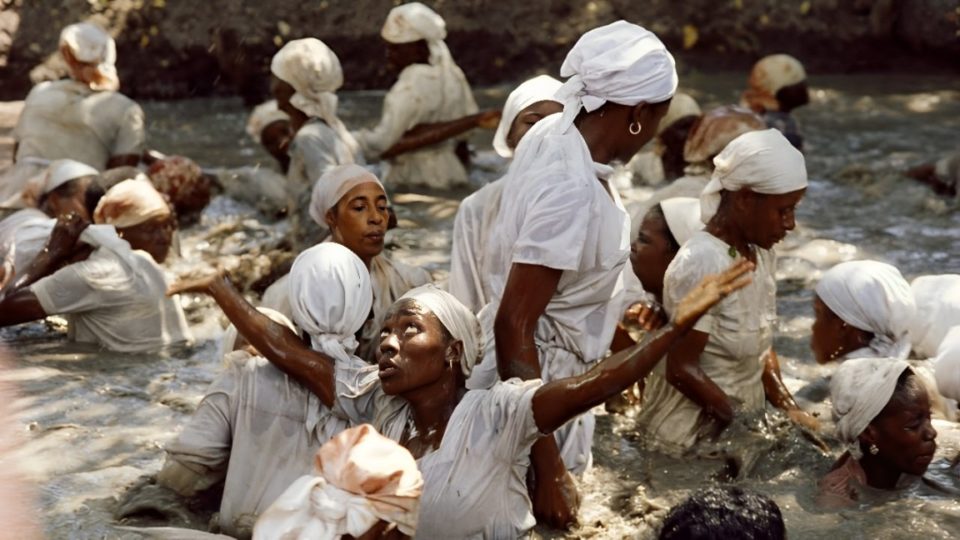
Women have long played pivotal roles in Indigenous spiritual traditions across the globe. From serving as healers and caretakers of sacred knowledge to acting as intermediaries between the physical and spiritual worlds, their roles reflect deep reverence for feminine energy and its connection to life, nature, and spirituality. Despite the impact of colonization and cultural erosion, the contributions of Indigenous women in spiritual practices remain vital, offering insight into traditions that honor balance, community, and connection to the earth.
Guardians of Sacred Knowledge
In many Indigenous cultures, women are regarded as keepers of sacred knowledge, particularly regarding healing, birth, and relationships with the land. They pass down rituals, songs, stories, and medicinal practices to the next generation. For example:
Medicine Women: In numerous Indigenous communities, women hold the role of healers. They use herbs, spiritual ceremonies, and ancestral wisdom to treat ailments of the body and spirit.
Midwives and Birth Keepers: Birth, as a sacred process of creation, is often overseen by women. Midwives blend spiritual rituals with practical knowledge to bring new life into the world safely.
Women’s role as custodians of sacred practices ensures the continuity of their cultural identity and spiritual connection to ancestors.
Connection to Nature and Spirituality
Indigenous traditions often see women as directly tied to the cycles of nature—moon phases, seasons, and the fertility of the earth. This connection is symbolic of their power to create and sustain life.
Moon Time and Ceremonies: In some Indigenous cultures, a woman’s menstrual cycle, referred to as her “moon time,” is considered sacred. Women are believed to carry heightened spiritual power during this time, often taking part in reflection, purification, and prayer.
Earth as Mother: The earth itself is personified as “Mother Earth” in many traditions, symbolizing life-giving sustenance. Women’s spiritual connection to the earth positions them as caretakers of the land and water. For example, among the Haudenosaunee people, women traditionally held responsibility for farming and honoring the earth’s cycles.
This intrinsic relationship between women and nature reflects the broader Indigenous worldview of harmony and respect for the environment.
Ceremonial Leaders and Spiritual Guides
While roles differ between cultures, women have often held leadership positions in ceremonies or served as spiritual guides. They act as intermediaries between the human and spirit worlds, facilitating prayers, songs, and rituals to maintain balance and well-being within their communities.
For instance:
In some tribes, women lead purification ceremonies and rituals to cleanse individuals or spaces of negative energy.
Women shamans, particularly in regions of the Amazon and parts of Asia, are revered for their ability to heal and guide others through spiritual transformations.
While colonization suppressed many of these roles, efforts to reclaim Indigenous traditions have reaffirmed the spiritual authority of women in ceremonies.
Protectors of Community and Cultural Values
Indigenous women’s spiritual roles often extend into the social fabric of their communities. They embody cultural values of nurturing, unity, and protection. Their work as spiritual leaders is deeply connected to upholding traditions, resolving conflicts, and ensuring the moral guidance of their people.
Women perform rituals for harvest, protection, and prosperity, ensuring harmony between people, spirits, and the land.
They teach children values and history through storytelling, using oral traditions to preserve cultural identity and spiritual knowledge.
In this sense, women act as the backbone of Indigenous spirituality, providing both structure and continuity to communal life.
Challenges and Resilience
Despite their profound contributions, the spiritual roles of Indigenous women have often been undermined by colonial systems, patriarchal ideologies, and cultural displacement. Many Indigenous traditions were disrupted or suppressed, leading to a loss of spiritual practices and gender roles that once emphasized balance.
However, Indigenous women continue to reclaim their positions within spiritual spaces. Across the world, they are leading movements for cultural revival, land rights, and environmental justice—drawing strength from their traditional roles as caretakers and spiritual guides.
For example:
Indigenous women have been central to global water protection movements, highlighting their spiritual connection to water as life.
Revival of traditional ceremonies, language, and rituals is being led by Indigenous women to restore their communities’ cultural and spiritual roots.
Conclusion
The role of women in Indigenous spiritual practices is one of strength, balance, and connection to the earth and community. Whether as healers, ceremonial leaders, or protectors of sacred knowledge, women continue to be a source of spiritual wisdom and cultural resilience. Recognizing and honoring their contributions not only helps preserve Indigenous traditions but also reminds us of the universal importance of harmony, respect, and reverence for life.
Indigenous women’s spirituality stands as a testament to the power of feminine energy to heal, sustain, and transform—values that resonate across cultures and generations.
