
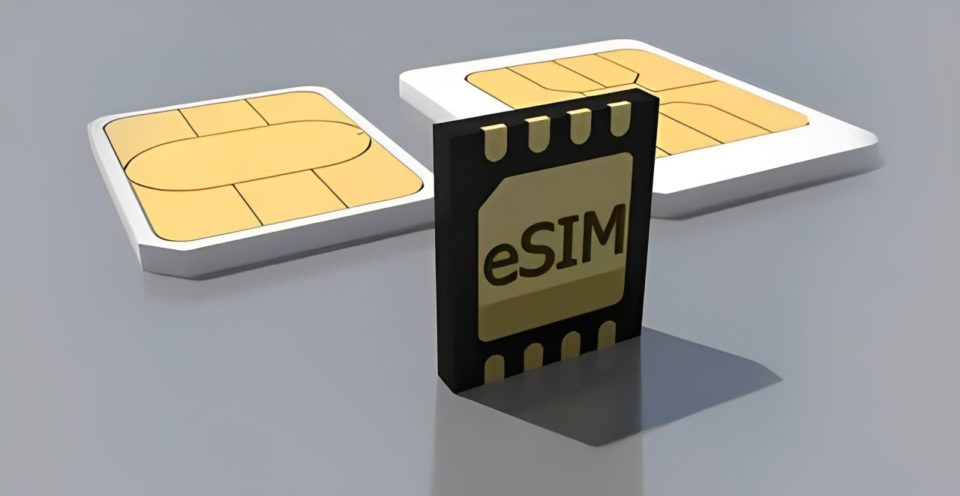
In a world that’s rapidly becoming digital, the introduction of eSIM technology seemed like a step into the future. eSIMs, or embedded SIM cards, replace traditional physical SIM cards with a digital alternative that can be activated directly through software. While the promise of convenience, flexibility, and space-saving features made the switch tempting, my experience has revealed some significant drawbacks that I didn’t anticipate. If you’re considering moving to an eSIM, it’s worth knowing the potential pitfalls so you can make an informed decision.
Difficulty Switching Between Devices
One of the most significant disadvantages of using an eSIM is the hassle involved when switching between devices. With a traditional physical SIM, all you need to do is pop the card out of one phone and insert it into another. In contrast, moving an eSIM from one device to another can be time-consuming and inconvenient.
Why it’s a problem:
To transfer an eSIM, you often need to go through your mobile carrier or use their app, which may require verification and a new QR code.
If you don’t have an internet connection or if your carrier support is slow, you’re stuck.
Some older phones and devices don’t support eSIM, making the transition back to a physical SIM a hassle.
For someone who frequently switches between multiple phones for work or personal use, this drawback quickly became frustrating.
Limited Carrier Support
While eSIMs are touted as the future of mobile connectivity, not all carriers fully support the technology yet. If you’re traveling abroad or trying to use a smaller regional network, you may find that eSIM options are unavailable or limited.
Why it’s a problem:
Some carriers don’t provide eSIM compatibility at all, leaving you stuck if you’re relying on this technology.
International travelers often face issues because local carriers may still rely heavily on physical SIM cards.
In some countries, setting up an eSIM can be unnecessarily complex due to lack of standardized processes.
This lack of universal support can make traveling with an eSIM far less convenient than I initially expected.
Troublesome Activation Process
Activating an eSIM is not always as seamless as advertised. Unlike physical SIM cards, where you simply insert the card and restart the device, the eSIM activation process often involves scanning QR codes, verifying credentials, and navigating through carrier-specific apps or websites.
Why it’s a problem:
QR codes sometimes fail to scan or expire, requiring you to contact your carrier for a new one.
If you lose access to your phone and need to reactivate the eSIM, you’ll have to rely on customer service, which can be slow and inefficient.
Any mistake during activation can leave you without service until the issue is resolved.
When I switched to an eSIM, I faced delays and repeated errors during activation, which left me disconnected for hours—something that never happens with a physical SIM.
Risk of Losing Connectivity During Phone Issues
If your phone stops working due to damage, a system failure, or a dead battery, accessing your eSIM becomes impossible. With a physical SIM, you could quickly remove it and place it in a backup device, ensuring you stay connected. However, an eSIM is locked to the phone unless you’ve previously transferred it.
Why it’s a problem:
If your device fails or is damaged, you can’t simply move your eSIM to another phone without reactivation.
You may lose access to essential accounts, including two-factor authentication for email, banking, or social media, which rely on your phone number.
For me, losing connectivity for even a few hours during a critical situation made me realize how vulnerable eSIM users can be when their device malfunctions.
Incompatibility With Some Devices
Although eSIM technology is becoming more widespread, not all smartphones, tablets, or wearables support it. If you’re someone who uses older or budget-friendly devices, you may find yourself unable to use your eSIM altogether.
Why it’s a problem:
If you need to downgrade to an older phone in emergencies, you may not be able to activate your eSIM.
Certain dual-SIM setups don’t support having one physical SIM and one eSIM simultaneously, limiting flexibility.
This incompatibility issue left me scrambling for alternatives when I needed to use a backup phone that wasn’t eSIM-ready.
Difficult to Switch Back to Physical SIMs
While moving to an eSIM is promoted as a seamless transition, switching back to a physical SIM isn’t always easy. Carriers may require additional steps, verification processes, and even a replacement SIM card.
Why it’s a problem:
Some carriers charge fees for switching back to a physical SIM card.
If you’re in an area with limited carrier support, getting a replacement physical SIM may take days.
The difficulty of “undoing” my eSIM decision made me question whether the switch was worth the effort in the first place.
Security Concerns
While eSIM technology is secure overall, it is not entirely immune to risks. If someone gains unauthorized access to your carrier account, they could potentially transfer your eSIM to another device without needing your physical SIM card.
Why it’s a problem:
Cybercriminals have started targeting eSIM accounts for SIM swapping, where they take control of your phone number.
Unlike physical SIM cards that require physical access to your device, eSIM hacks can be done remotely if your carrier account is compromised.
Although rare, the risk of losing access to my phone number made me more cautious about eSIM usage.
Conclusion
Switching to an eSIM seemed like an exciting technological upgrade, but in practice, it introduced more challenges than benefits. While the concept of ditching physical SIM cards sounds futuristic, the technology isn’t yet foolproof, and the drawbacks can outweigh the convenience for many users.
From difficulty switching devices to limited carrier support, the transition to eSIMs can leave you feeling stuck and disconnected in critical situations. If you value flexibility, simplicity, and reliable connectivity—especially during emergencies or travels—you might want to think twice before making the switch.
For now, physical SIM cards remain a practical, dependable option. Until eSIM technology becomes universally supported, seamlessly transferable, and easier to manage, I’ll be sticking to the tried-and-true physical SIM.
