
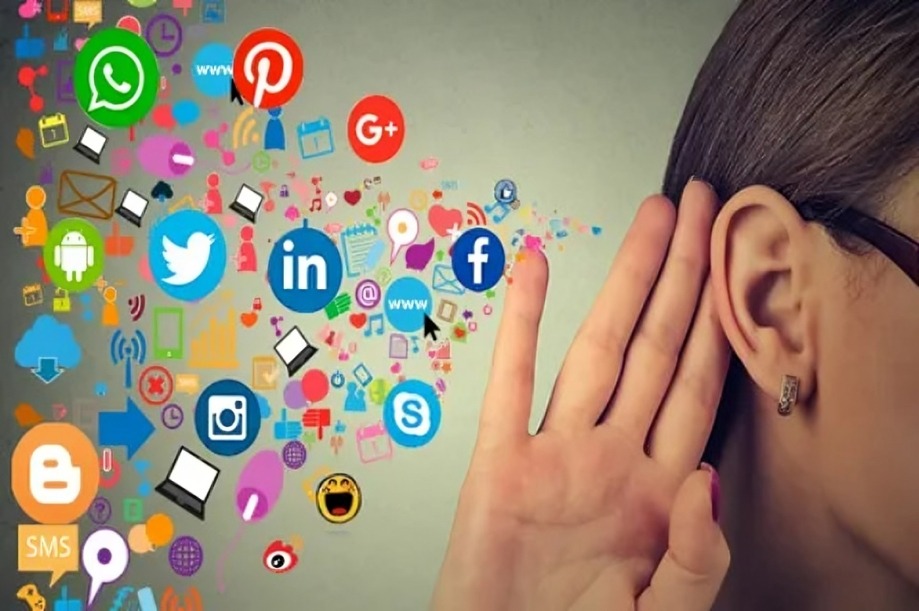
In an age where social media platforms dictate trends and offer advice on almost every aspect of life, from fitness to productivity, the concept of self-improvement has taken on a new and often overwhelming form. While guidance from influencers and experts can be empowering, it has also contributed to the rise of an anxious, idealized self-image. Many individuals feel pressured to embody perfect versions of themselves, creating a cycle of constant comparison, stress, and dissatisfaction. In this article, we explore how social media’s advice culture fuels these anxieties and what can be done to reclaim authenticity.
The Perfect Life: A Social Media Mirage
On platforms like Instagram, TikTok, and Pinterest, curated images of “perfect” lives dominate our feeds. We see influencers promoting wellness routines, ideal bodies, immaculate homes, and productivity hacks that promise happiness and success. These images offer advice not just on how to improve, but on what we should aspire to become. However, the result is often a mirage—a lifestyle that appears effortless but requires meticulous planning and filtering.
This flood of “ideal” content creates unrealistic benchmarks. Aesthetic breakfast bowls, sculpted abs, and stress-free work days become the gold standard, leaving viewers wondering why their reality feels so different. The advice given on social media encourages continuous self-optimization, leading individuals to feel as though they are never doing enough.
Advice Overload and the Fear of Missing Out
With every swipe, users encounter advice on how to be fitter, smarter, wealthier, or happier. However, this excess of information can be paralyzing. Known as “advice overload,” this phenomenon occurs when people receive so much input that they feel overwhelmed, confused, or anxious about what to prioritize.
The fear of missing out (FOMO) adds fuel to the fire. If everyone seems to have cracked the code to a healthier, more successful life, why haven’t we? Failing to follow through on advice—from morning routines to digital detoxes—can leave people feeling inadequate, even though these routines may not align with their personal circumstances or preferences.
Perfectionism: An Unattainable Standard
Social media fosters a kind of “aspirational perfectionism,” where the goal isn’t just improvement but flawless execution. Productivity influencers, for example, share morning routines down to the minute, promoting the idea that there is a perfect way to structure every part of life.
However, this pursuit of perfection leads to anxiety. Research shows that people who strive for perfection are more prone to stress, burnout, and mental health issues. Social media encourages this mindset by making it seem as though everyone else is living perfectly balanced lives, leaving no room for imperfection or failure.
Curated Realness: The New Pressure of Authenticity
In response to the criticism of idealized content, a new trend has emerged: curated authenticity. Influencers now share their struggles and flaws, often with hashtags like #RealLife or #AuthenticLiving. While this shift aims to counteract perfectionism, it has created a new kind of pressure—the need to appear effortlessly authentic.
Even authenticity becomes a performance, where individuals feel the need to disclose vulnerabilities in a polished way. This creates another layer of anxiety, as people struggle to find a balance between honesty and the desire to still appear attractive or likable.
The Impact on Mental Health
The pressure to live up to idealized images—whether perfect or perfectly authentic—has significant consequences for mental health. Constant comparison leads to low self-esteem, and the endless cycle of self-optimization can result in burnout. Anxiety disorders, particularly those linked to performance and appearance, are on the rise, with many young people citing social media as a primary stressor.
While social media can foster community and offer useful advice, it often leaves users feeling more disconnected from themselves. The gap between how we present ourselves online and how we feel in real life widens, contributing to feelings of inadequacy.
Reclaiming Authenticity and Self-Acceptance
How can we reclaim our sense of self in a world that constantly pushes us to be better versions of ourselves? Here are a few strategies:
Refine Your Feed: Choose content mindfully to ensure it aligns with your values and nurtures your well-being.Follow people and pages that align with your values and promote healthy, realistic lifestyles.
Embrace Imperfection: Allow yourself to make mistakes and recognize that growth doesn’t require perfection. Celebrate progress, no matter how small.
Set Boundaries: Take breaks from social media to reconnect with your offline self. Digital detoxes, even brief ones, can help reduce anxiety.
Self-Compassion: Treat yourself with kindness. Recognize that you are enough, even without meeting every piece of advice or trend you encounter.
Focus on What Works for You: Not every routine or piece of advice fits every person. Find what resonates with your lifestyle and ignore the rest.
Conclusion
The era of social media advice has made self-improvement both inspiring and overwhelming. While platforms provide valuable tips and foster connections, they also contribute to the pressure of maintaining an idealized image—whether perfect or perfectly flawed. The key to navigating this landscape lies in finding a balance between growth and self-acceptance. True authenticity isn’t about curating flaws or perfecting routines; it’s about embracing who you are, imperfections and all.
In a world that celebrates curated perfection, the most radical thing you can do is be yourself.
