
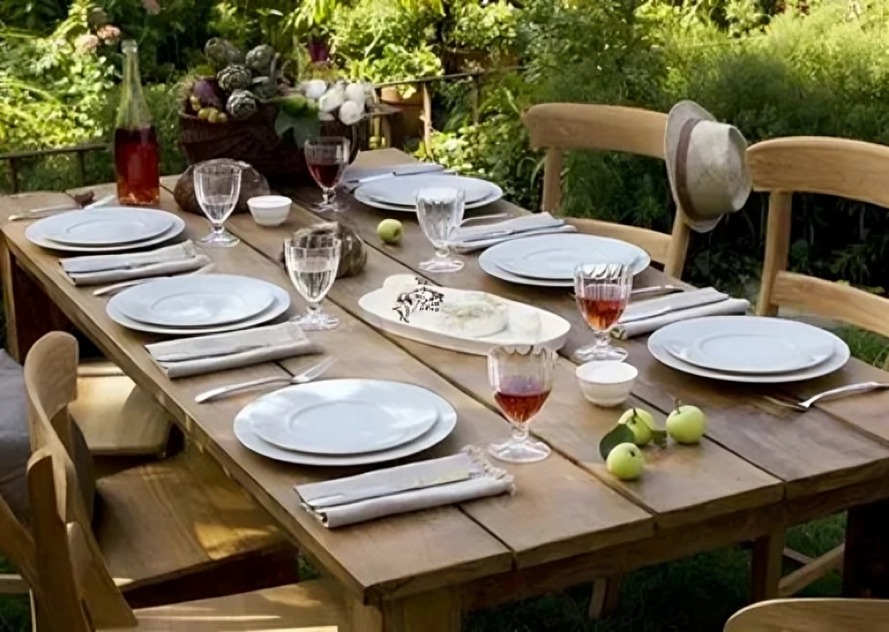
Dining isn’t just about eating; it’s an experience that engages all the senses. While we often focus on the flavors and aromas of food, the design of dishware can have a surprising impact on how we perceive and enjoy our meals. From colors to textures, shapes, and sizes, every element of dishware design plays a role in shaping our culinary experiences. Let’s explore how dishware design can influence dining in ways that are both subtle and significant.
Color Psychology and Appetite
The color of your plate can affect how you perceive flavors and even your appetite. Research shows that vibrant hues like red and yellow can stimulate hunger, which explains why many restaurants incorporate these colors in their dishware and decor. On the other hand, cooler tones like blue tend to suppress appetite, which is why they are less commonly used in dining settings.
Similarly, the contrast between food and plate color matters—studies suggest that people serve themselves larger portions when the plate and food colors are similar. This makes white plates a popular choice, as they provide a neutral backdrop, making colorful dishes pop.
Shape and Size Affect Portion Perception
The shape and size of your dishware also play a crucial role in how much you eat. A phenomenon known as the Delboeuf illusion suggests that food served on larger plates looks smaller, encouraging people to consume more. Conversely, smaller plates trick the mind into thinking portions are larger, potentially leading to reduced food intake.
Even the shape matters—circular plates are linked to softer, more comforting dining experiences, while angular dishes can evoke feelings of precision or intensity, which might suit gourmet or modern cuisine.
Weight and Material Influence Satisfaction
The weight of dishware can influence how people perceive food quality. Heavier plates, bowls, or utensils are often associated with more premium or luxurious meals, while lightweight plastic or disposable options can give a sense of casualness or low quality. Materials like porcelain, ceramic, or glass not only add weight but also convey elegance, impacting how much diners enjoy their meals.
Moreover, eco-friendly materials such as bamboo or stoneware contribute to an experience of sustainability and mindfulness, aligning with trends in conscious dining.
Texture Enhances the Sensory Experience
Textures aren’t just for the food; the feel of the dishware can also shape the dining experience. Smooth, glossy plates enhance the perception of creamy or delicate dishes, while rough, matte surfaces can complement hearty or rustic foods. These tactile elements activate the sense of touch, creating a more immersive eating experience.
Bowls with tactile finishes, such as embossed patterns or natural grooves, encourage diners to hold and engage with their dishware differently, making meals feel more intimate.
Design Complements Cuisine
Dishware design can enhance the story behind the food. Traditional foods served in culturally appropriate dishware—like Japanese sushi on lacquered trays or Moroccan stews in colorful tagines—create a deeper connection with the meal. Matching the visual aesthetics of the dishware with the cuisine helps convey authenticity, making the experience more enjoyable.
Modern restaurants also leverage unconventional dishware design, such as asymmetrical plates or slate boards, to present food as art. These unexpected elements add intrigue and elevate the dining experience, making every meal feel unique.
Impact on Social Interaction
Dishware can also influence how diners interact with one another. Sharing platters or tapas served on communal plates encourage conversation and foster a sense of togetherness. Meanwhile, individual portion plates create a more personal dining experience, suitable for fine dining or formal meals.
The arrangement of food on aesthetically pleasing dishware also plays into the psychology of dining. People are more likely to take photos, share on social media, and savor their food when it’s presented beautifully, enhancing both enjoyment and the social aspect of meals.
Conclusion
From the color and shape to the weight and texture, every aspect of dishware design contributes to the overall dining experience. Thoughtfully designed dishware can elevate flavors, influence portion perception, enhance social interactions, and connect us more deeply to the food we eat. So next time you sit down for a meal, take a moment to appreciate the dishware—because it’s doing more than just holding your food; it’s shaping your experience.
