
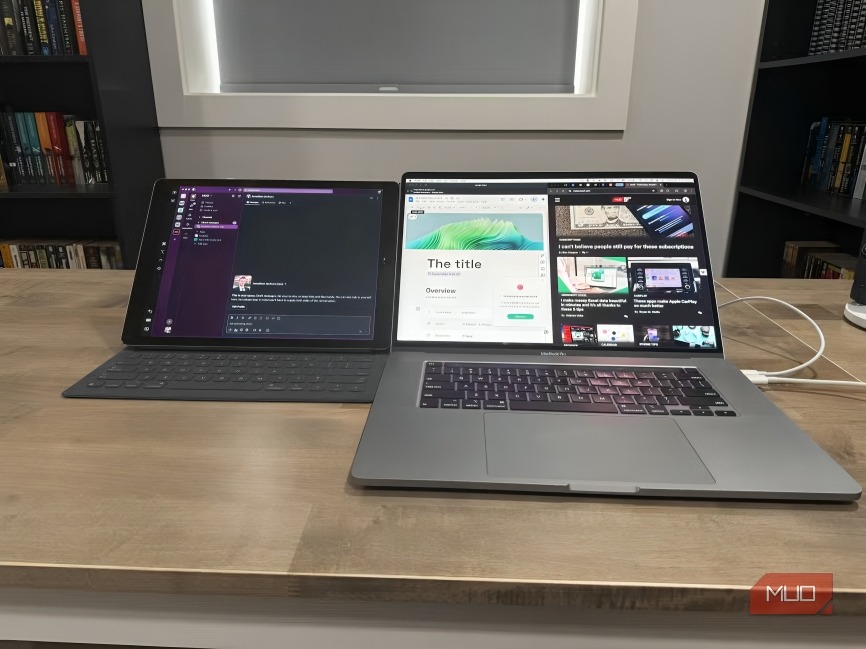
When Apple released the very first iPad Pro in 2015, it was marketed as a revolutionary device—bigger, faster, and more capable than any iPad before it. It promised to replace laptops for some people and became the first iPad to support the Apple Pencil. I bought that first-gen model nearly ten years ago, and against all odds, I’m still using it today.
Most would assume that a decade-old tablet would be long gone or gathering dust in a drawer. But for me, it’s still a valuable companion. And here’s why.
The Hardware Still Feels Premium
Apple has always been known for build quality, and the first iPad Pro is proof of that. Nearly a decade later, the slim aluminum body still feels solid, the buttons haven’t worn out, and the overall design hasn’t aged badly at all. The massive 12.9-inch Retina display—once considered huge—is still sharp, vibrant, and a joy to use for reading, sketching, or watching videos.
It lacks modern features like ProMotion’s 120Hz refresh rate or HDR brightness, but for everyday viewing, it’s still excellent. Even the four-speaker setup, a standout feature in 2015, continues to sound surprisingly good compared to many current tablets.
And then there’s the battery. While no longer at its peak, it still lasts for several hours of mixed use. For a device approaching 10 years of age, that’s impressive longevity.
Performance in 2025: Surprisingly Usable
The first-gen iPad Pro launched with Apple’s A9X chip, which was incredibly powerful at the time. In 2025, it’s obviously nowhere near the blazing-fast M2 or M4 processors in newer iPads, but for light-to-moderate use, it holds its ground.
I don’t edit 4K videos or play graphics-heavy games on it anymore. But for reading ebooks, taking notes, streaming Netflix, browsing the web, and using basic productivity apps, it still performs smoothly enough.
Yes, there are moments of lag, especially when switching between apps or loading content-heavy websites. But considering its age, I’m impressed by how much it can still handle.
How It Compares to Newer iPads
Stacking my first-gen iPad Pro against the latest models highlights just how far Apple has come:
- Speed: Modern iPads with M-series chips are several times faster, making multitasking and professional apps buttery smooth.
- Display: Newer iPads boast ProMotion (120Hz refresh rate), True Tone, HDR, and mini-LED or OLED panels—features my old iPad doesn’t have.
- Apple Pencil: The first-gen iPad Pro only supports the original Apple Pencil, which lacks wireless charging, magnetic attachment, and double-tap gestures.
- Software: The latest iPads run the newest versions of iPadOS, while my device is stuck with older updates, leaving me locked out of certain apps.
But here’s the catch: I don’t need all those upgrades for the way I use my iPad. New features are great, but my current iPad still covers my daily essentials.
Why I Haven’t Upgraded Yet
The biggest reason I’ve held onto this device is simple: it still works. It fulfills 90% of my needs without forcing me to spend hundreds (or even over a thousand) dollars on a replacement.
In fact, keeping it has also changed my perspective on tech. I’ve realized that not every new release is worth chasing. If your device still serves you well, why rush to replace it?
This has become more than just a personal choice—it feels like a quiet protest against the constant cycle of upgrades that tech companies encourage.
Accepting Its Limitations
Of course, keeping a decade-old iPad means living with certain compromises:
- Some apps no longer update or are unavailable.
- Safari struggles with complex modern websites.
- Storage space feels small compared to today’s standards.
- The camera is outdated to the point of being almost useless.
But I’ve learned to live with these limits. For the tasks I use it for—reading, streaming, sketching, and browsing—the drawbacks don’t outweigh the benefits.
The Emotional Value of an Old Device
There’s also a sentimental side to all of this. My first-gen iPad Pro has been with me through nearly a decade of work projects, travel, late-night streaming sessions, and endless notes. It feels less like a piece of disposable tech and more like a reliable companion that has aged with me.
Newer models may be faster and shinier, but they don’t carry the same history. And that makes this iPad harder to part with.
Conclusion
Eventually, I’ll have to upgrade—software support will continue to decline, apps will stop working, and performance will dip further. But for now, my first-gen iPad Pro still does what I need it to do. It’s not just a tool—it’s a piece of digital history that proves technology can last longer than the yearly upgrade cycle suggests.
So yes, my iPad Pro is almost ten years old. And yes, I’m still keeping it. Because sometimes, the smartest upgrade isn’t buying the latest model—it’s realizing you don’t actually need one.
Do you want me to make this even more Google-friendly by adding sections like “Tips for Extending the Life of an Old iPad” or “Who Should Keep Their Old iPad vs. Upgrade”? That would give it more SEO strength and practical value.
