
The dark web has captured the imagination of filmmakers, conspiracy theorists, and internet users alike. In movies, it’s often portrayed as a terrifying underworld of hackers-for-hire, black market organ sales, and assassins available with a few clicks. But while the dark web does contain illicit activity, the reality is far more mundane—and far less cinematic—than Hollywood would have you believe.
Here are six ways the dark web is nothing like in the movies:
It’s Not Instantly Accessible with a Few Keystrokes
In films, characters usually access the dark web by typing a few lines of code or clicking a secret browser shortcut. In reality, accessing the dark web requires downloading special software like Tor (The Onion Router), which routes internet traffic through encrypted layers to ensure anonymity.
Even with Tor, you need specific URLs—often long and nonsensical strings of characters—that aren’t indexed by traditional search engines. It’s not some open, easily clickable digital bazaar. It takes time and a bit of know-how to even find a working site.
There’s No Central “Dark Web Marketplace”
Movies love to show one-stop shops for everything illegal: drugs, guns, hitmen, passports—all organized like Amazon for criminals. The truth? The dark web is fragmented. Marketplaces come and go frequently, often due to law enforcement takedowns or scams.
Many of these sites require invites, login credentials, or reputation scores to gain access. And yes, scams are rampant. There’s no guarantee the person selling you fake IDs isn’t also just taking your Bitcoin and disappearing.
Hackers Aren’t Wearing Hoodies in Dark Rooms
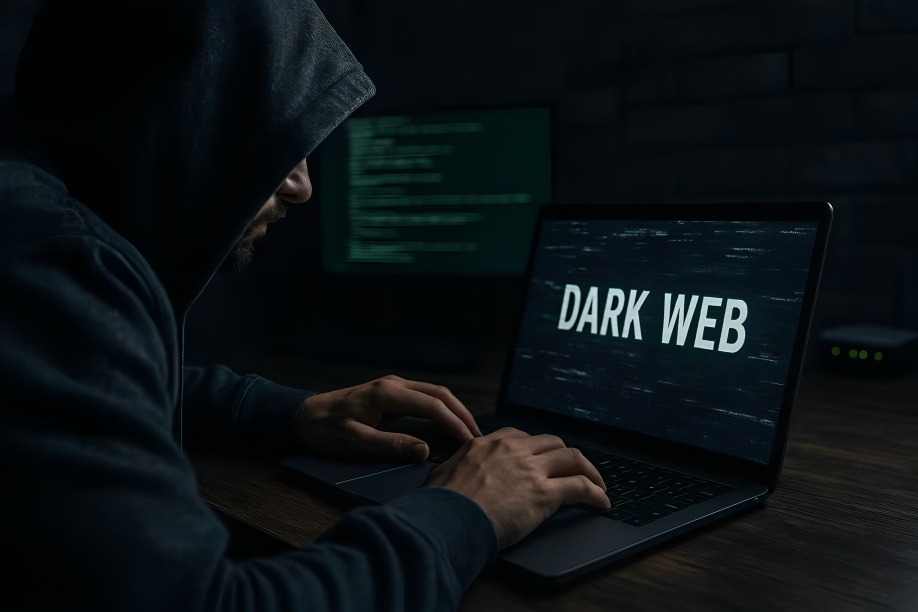
Hollywood often portrays dark web users as pale hackers hunched over keyboards in dimly lit basements, their screens filled with green code. In reality, most activity on the dark web is low-tech and transactional, not elite cyber warfare.
Many users are regular people seeking anonymity—journalists, political dissidents, or curious browsers. While hacking forums exist, most people on the dark web aren’t launching global cyberattacks; they’re just chatting, trading, or lurking.
Not Everything Is Illegal or Evil
The dark web isn’t only about crime. Some corners are dedicated to whistleblower platforms (like SecureDrop), uncensored journalism, or forums for political dissidents in repressive regimes. It provides an important safe space for people who need privacy for legitimate reasons.
Movies tend to ignore this nuance, painting the entire dark web as a lawless wasteland. In truth, it’s a tool—and like any tool, how it’s used depends on the user.
You Won’t Find Hitmen as Easily as You Think
One of the most common—and dramatic—tropes is hiring a hitman with a click. But in reality, most so-called “hitman services” on the dark web are elaborate scams or law enforcement honeypots.
Multiple investigations have shown that these listings are fake, designed to either steal money or bait would-be clients into criminal charges. It’s incredibly risky, and far from the clean, emotionless transactions movies portray.
You’re More Likely to Get Scammed Than Become a Criminal Mastermind
If you go on the dark web expecting to find secrets, power, and money, you’re more likely to find… nothing useful. Most sites are abandoned, sketchy, or riddled with malware. And while some users are there to do harm, many are just trying to rip off the curious and careless.
Fake marketplaces, phishing traps, and spyware are more common than spy-level secrets. In short: you’re more likely to lose money than gain power.
Conclusion
The dark web isn’t a digital version of a spy thriller—it’s a messy, often disappointing corner of the internet. Yes, it hosts criminal activity, but it’s also full of empty pages, scams, and communities with legitimate purposes.
So the next time a movie shows someone hiring a hitman in 30 seconds with a glowing laptop screen—remember, the truth is far less glamorous… and far more complicated.
