
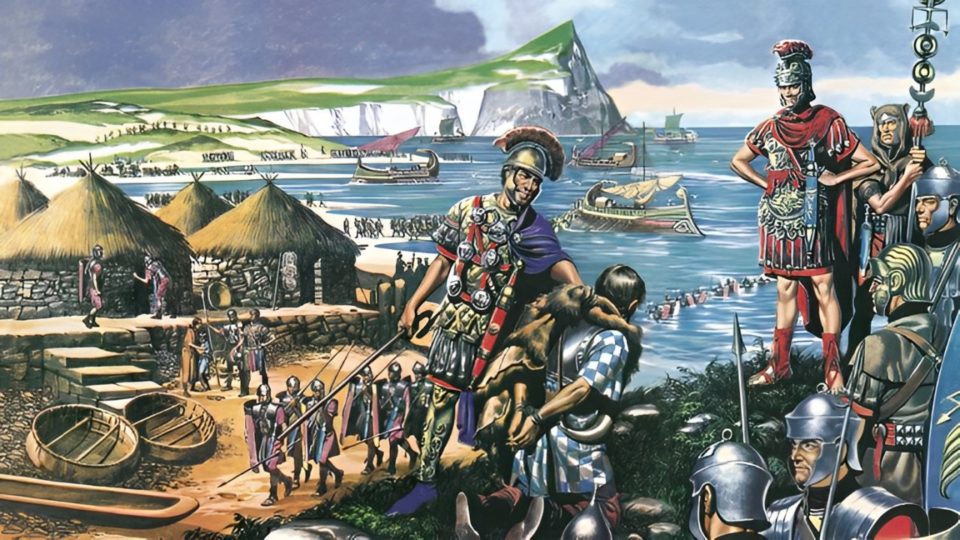
The conquest of Spain by the Romans is a significant chapter in the history of both ancient Rome and the Iberian Peninsula. Known as Hispania in antiquity, the region was a mosaic of tribes, cultures, and landscapes, which made it a valuable target for Roman expansion. This article explores the process of Roman conquest in Spain, the strategies they employed, and the lasting impact of their rule on the region.
The Background of Roman Expansion
By the 3rd century BCE, Rome was emerging as a dominant power in the Mediterranean. Following the Punic Wars, Rome sought to expand its territories to secure trade routes and resources. Hispania, rich in minerals and agricultural potential, was seen as a strategic asset. The conquest began in earnest in the late 3rd century BCE, spurred by both economic interests and military ambitions.
The Second Punic War and Initial Conquests
The Romans’ initial foray into Spain coincided with the Second Punic War (218–201 BCE) against Carthage. Carthage controlled much of the Iberian Peninsula, and the Romans recognized that defeating them would require taking control of their territories. Key figures such as Scipio Africanus led military campaigns into Hispania, focusing on strategic cities like Carthago Nova (modern Cartagena), which fell to the Romans in 209 BCE.
Military Strategy and Tactics
Roman military strategy played a crucial role in the conquest of Spain. The Romans employed a combination of direct confrontations, alliances, and tactics that capitalized on their superior organization and discipline. Roman legions, well-trained and equipped, utilized formations such as the testudo (tortoise formation) to protect against enemy projectiles while advancing.
The Romans also engaged in diplomacy, forming alliances with local tribes to undermine their rivals. This strategy helped to weaken resistance and facilitated further incursions into the interior regions of Hispania.
Resistance from Local Tribes
Despite their military prowess, the Romans faced significant resistance from various local tribes, such as the Iberians, Celtiberians, and Lusitanians. The most notable resistance came from the Lusitanian leader Viriathus, who led a guerrilla warfare campaign against Roman forces in the late 2nd century BCE. Viriathus’s tactics, which involved ambushes and hit-and-run attacks, proved effective in frustrating Roman efforts for several years.
The Romans ultimately dealt with these challenges through a combination of military might and strategic patience. After Viriathus was assassinated in 139 BCE, Roman control became more firmly established, though sporadic revolts continued for years.
The Establishment of Roman Provinces
By the end of the 1st century BCE, the Romans had effectively conquered most of the Iberian Peninsula, establishing several provinces, including Hispania Citerior and Hispania Ulterior. These provinces were integrated into the Roman Empire, governed by officials who enforced Roman law and culture.
The establishment of provincial capitals, such as Tarraco (Tarragona) and Corduba (Córdoba), marked the administrative consolidation of Roman rule. Infrastructure projects, including roads and aqueducts, were developed to facilitate trade and military movement, further integrating Hispania into the Roman economy.
Cultural Assimilation and Legacy
Roman rule brought significant cultural changes to Spain. The introduction of the Latin language, Roman law, and cultural practices laid the foundation for the development of Spanish identity. Cities began to flourish, adopting Roman architectural styles, public baths, and forums.
The Roman conquest also led to the spread of agriculture and the establishment of villa systems, enhancing local economies. As a result, Hispania became one of the wealthiest provinces of the Roman Empire, contributing significantly to its economy.
The Fall of Roman Control
The decline of the Roman Empire in the 5th century CE led to instability in Hispania. The weakening of Roman authority allowed for increased incursions from various groups, including the Visigoths and Suebi, culminating in the eventual collapse of Roman rule. By the early 6th century, Hispania had transformed into a series of Germanic kingdoms, marking the end of Roman dominance.
Conclusion
The Roman conquest of Spain was a complex process marked by military strategy, cultural exchange, and resistance from local tribes. Over several centuries, the Romans effectively transformed Hispania from a collection of diverse tribes into a crucial province of the Roman Empire. The legacy of this conquest is still evident today in the Spanish language, legal systems, and cultural practices, making it a pivotal chapter in the history of both Spain and Rome.
