
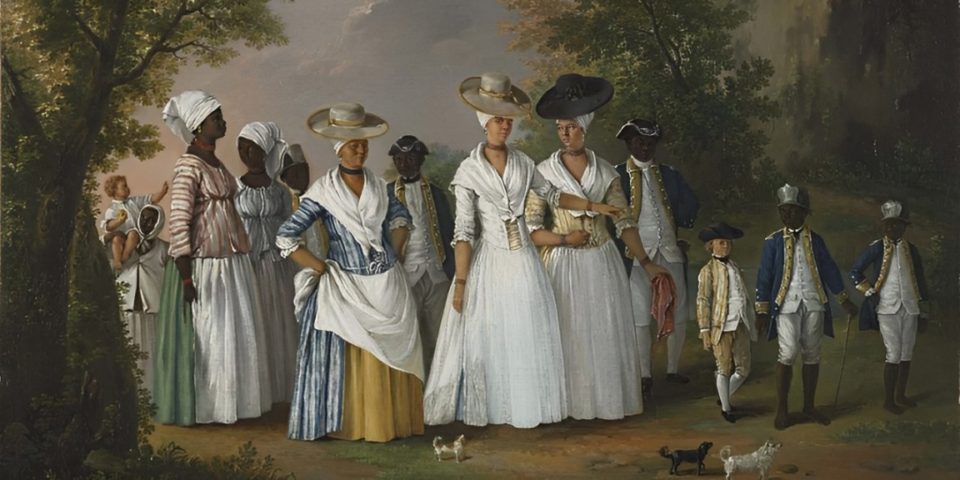
The image of powdered wigs is one of the most recognizable symbols of the colonial era, conjuring up visions of stately judges, founding fathers, and European aristocrats. But what exactly was up with those elaborate and, by today’s standards, somewhat ridiculous wigs? To understand the significance of these wigs, we need to delve into the cultural, social, and practical reasons behind this fashion trend that dominated the 17th and 18th centuries.
A Symbol of Status and Power
The use of wigs, particularly powdered ones, during the colonial era was more than just a fashion statement; it was a symbol of status and power. The trend began in France in the mid-1600s, under the reign of King Louis XIV, who started wearing wigs to cover his thinning hair. As the most powerful monarch of his time, anything Louis XIV did became the height of fashion. The aristocracy and upper classes quickly adopted wigs as a way to emulate the king and demonstrate their own wealth and social standing.
Wigs were expensive to make and maintain, which meant only the wealthy could afford to wear them. The larger and more elaborate the wig, the higher the status it conveyed. In colonial America, the tradition carried over from Europe, with judges, politicians, and other prominent figures donning wigs to signify their importance and adherence to European customs.
Practical Origins: Hygiene and Health
While wigs were primarily a status symbol, there were also practical reasons for their popularity. During the 17th century, personal hygiene was not what it is today. Lice infestations were common, and wigs offered a way to deal with this problem. Instead of washing their natural hair, which was difficult with the limited bathing facilities of the time, people would shave their heads and wear wigs. The wigs could be removed, cleaned, and powdered, making it easier to manage lice.
The powder used on wigs was often made from starch and scented with lavender or orange flower to give a pleasant fragrance. The powder not only helped to keep the wig looking fresh but also absorbed oil and dirt, adding to its practical appeal.
The Influence of Fashion and Fads
Like all fashion trends, the popularity of wigs was influenced by the cultural and social fads of the time. Wigs became more elaborate over the decades, with styles changing to reflect the tastes of the era. For men, the most popular wig styles were the “periwig,” which featured long, flowing curls, and the “bob wig,” a shorter, more practical style.
Women, too, wore wigs, although their styles were often even more extravagant. In the late 18th century, women’s wigs reached incredible heights, literally, with towering hairstyles adorned with ribbons, feathers, and even model ships. These wigs were a statement of fashion and wealth, though they were often uncomfortable and difficult to wear.
Decline and Legacy
By the end of the 18th century, the popularity of wigs began to wane. The French Revolution played a significant role in this decline, as the new wave of anti-aristocratic sentiment made the wearing of wigs, a symbol of the old regime, less desirable. Additionally, changing attitudes towards hygiene and the advent of better hair care products reduced the need for wigs.
Despite their decline, the legacy of colonial-era wigs lives on. Today, they are remembered as a quirky and iconic aspect of history, often seen in period films, reenactments, and as part of traditional legal dress in some countries. In the UK, for example, judges and barristers still wear wigs as a symbol of the legal profession’s continuity and tradition.
Conclusion
The ridiculous colonial-era wigs, with their powdered curls and elaborate designs, were far more than just a bizarre fashion trend. They were a reflection of the social hierarchies, hygiene practices, and cultural fads of their time. While they may seem absurd to us now, these wigs played a significant role in the history of fashion and society. They remind us that every era has its own unique styles and customs, many of which may seem just as ridiculous to future generations as powdered wigs do to us today.
