
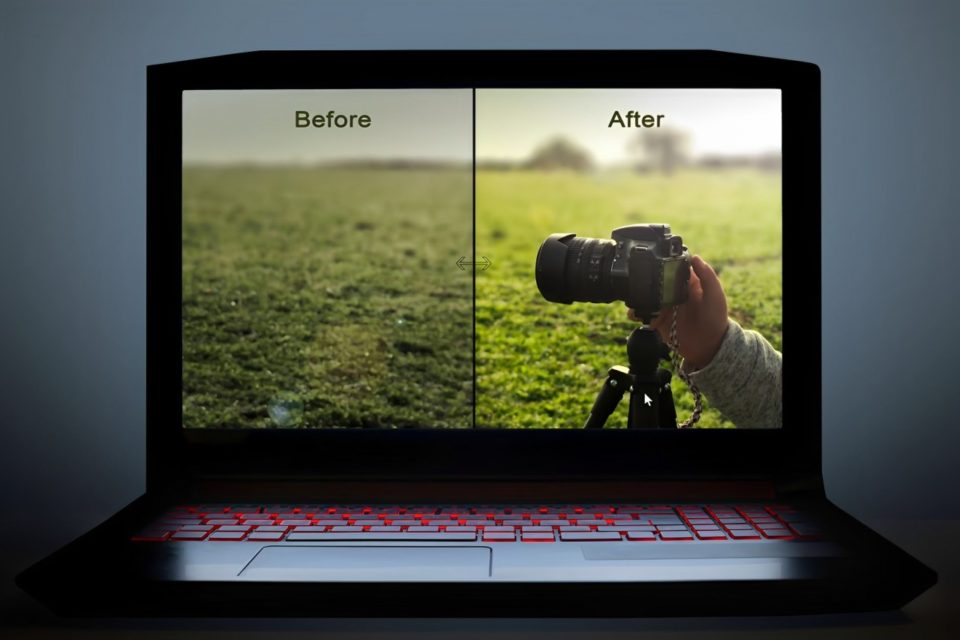
AI photo editors have revolutionized the way we edit and enhance images. With their ease of use, fast processing, and powerful features, they allow even non-professional users to create polished, professional-looking photos. However, despite their impressive capabilities, AI photo editors are far from perfect. After spending significant time exploring various tools, I’ve encountered a few drawbacks that make the experience less than ideal. Here are my seven least favorite things about AI photo editors.
Lack of Precision
AI photo editors often work by applying broad, automated changes to an image based on algorithms, which can be both a blessing and a curse. While this automation speeds up the process, it can result in a lack of precision. When fine-tuning specific parts of a photo—whether it’s adjusting brightness, shadows, or retouching small imperfections—AI doesn’t always deliver the subtle touch that manual editing offers. The “one-size-fits-all” approach sometimes leaves photos looking over-edited or unnatural.
Over-Automation
One of the biggest appeals of AI photo editors is their ability to automate tasks like retouching, color correction, and background removal. However, this over-automation can also be limiting. For creative users who want full control over the editing process, AI editors can feel restrictive. They often follow set patterns or defaults, which limits the freedom to experiment with unique styles. It’s frustrating when the AI editor makes decisions for you, and there’s no option to override them without reverting to manual editing.
Generic Filters and Effects
Many AI-powered photo editors come with preset filters and effects that can instantly change the look and feel of an image. While convenient, these presets often lack originality and tend to produce generic, cookie-cutter results. Photos can end up looking like everyone else’s, as many users rely on the same built-in filters. The uniformity of AI filters stifles creativity and makes it difficult to create a personalized or unique aesthetic.
Inconsistent Results
AI photo editors rely on machine learning models that are trained on vast datasets of images. However, these models are not perfect and can sometimes produce inconsistent results. Depending on the complexity of an image—whether it involves multiple objects, detailed textures, or tricky lighting conditions—the AI can struggle to process certain elements accurately. For example, automated background removal tools can leave jagged edges or fail to differentiate between a person and the background. The inconsistency can make the final product less reliable, especially for professional work.
Over-Smoothing in Portraits
When it comes to portrait retouching, AI photo editors tend to over-smooth skin, making the subject look unnaturally flawless. While many users appreciate a little skin smoothing to reduce imperfections, AI editors often take it too far, erasing fine details and texture that make a face look real. The result is a plastic, airbrushed appearance that detracts from the subject’s natural beauty. This lack of control over the intensity of effects like smoothing or sharpening can be frustrating for those who want a more balanced, realistic touch.
Limited Customization Options
While AI photo editors are known for their speed and efficiency, they often sacrifice customization in favor of ease of use. Many of these tools lack the advanced editing features that allow users to dive deep into the details of an image. For professionals or serious hobbyists, this can be a dealbreaker. For instance, tools like Photoshop provide an immense level of detail control over layers, masks, and blending modes, which AI editors often lack. The limited customization options make it difficult for users to achieve highly specific results, especially in complex edits.
Dependency on Internet and Cloud Processing
A significant downside of many AI photo editors is their dependency on the internet and cloud-based processing. While the cloud allows for faster, more powerful computations, it also means that without a stable internet connection, you may not be able to use the tool at all. Additionally, relying on cloud services raises concerns about privacy and data security, as your images are uploaded to servers for processing. For users dealing with sensitive or private photos, this can be a major concern.
Conclusion
AI photo editors have undoubtedly made image editing faster, easier, and more accessible to a wider audience. However, like any technology, they come with their downsides. The lack of precision, over-automation, and reliance on generic presets can limit creativity, while inconsistent results and over-smoothing in portraits can lead to frustration. For professionals, the limited customization options and dependency on cloud processing may be deal breakers. As AI continues to evolve, we can hope that future tools will address these concerns, offering more flexibility and control while still maintaining the convenience that makes AI photo editors so appealing.
