
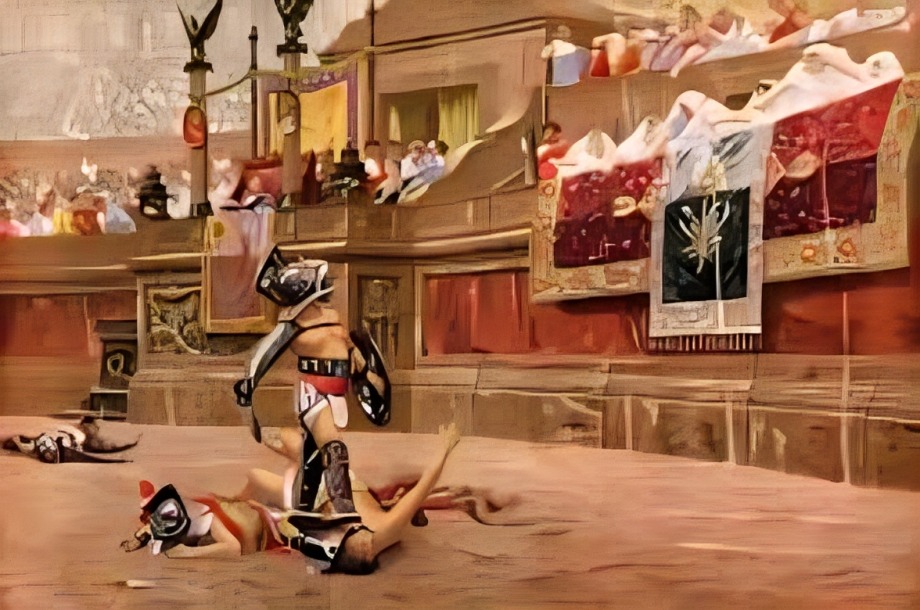
When we picture ancient Rome, few images are more iconic than the roaring crowds of the Colosseum and the brutal spectacle of gladiators locked in combat. These fights have become symbols of Roman power, cruelty, and entertainment—but where did they actually come from? And why did an empire so advanced become obsessed with blood sport?
Here’s a closer look at how gladiator fights began, how they evolved, and what they meant to Roman society.
The Origins: Blood as a Gift to the Dead
Believe it or not, gladiator games didn’t begin as entertainment. They began as funeral rituals. The earliest known Roman gladiator fights were part of private ceremonies honoring wealthy or powerful men. These events, called munera, were held to show respect for the deceased by offering blood to the spirits of the dead.
This tradition likely evolved from Etruscan and Greek funeral customs, where battles and sacrifices were made in the belief that spilled blood would honor the gods or help guide the soul of the dead into the afterlife.
The first recorded gladiator fight in Rome took place in 264 BCE, when three pairs of slaves fought in the Forum Boarium at the funeral of a nobleman named Junius Brutus.
From Sacred Right to Public Spectacle
Over time, these once-sacred combats transformed. Politicians and emperors realized that gladiator fights could be powerful political tools. What began as a few men fighting at funerals grew into large-scale games sponsored by the state to gain public favor, celebrate military victories, or mark important events.
By the late Republic, gladiator shows were no longer just for honoring the dead—they were tools of influence. Leaders used them to distract the public, win votes, and display the might of Rome.
The Rise of the Colosseum and the Games
Under the Roman Empire, especially from the 1st century BCE onward, gladiator fights became more institutionalized and commercialized. Gladiators were trained in special schools (ludi gladiatorii) and belonged to different fighting styles based on their weapons, armor, and origins.
When the Colosseum (Flavian Amphitheatre) opened in 80 CE under Emperor Titus, it became the grand stage for these spectacles. It could hold over 50,000 people, and shows often featured dozens or even hundreds of fights, sometimes lasting for days.
These were not just one-on-one duels—they included:
- Beast hunts (venationes)
- Mock naval battles (naumachiae)
- Public executions
- Mythological reenactments with real deaths
Who Were the Gladiators?
Not all gladiators were slaves—though many were. Others were:
- Prisoners of war
- Condemned criminals
- Volunteers (auctorati) seeking fame, debt relief, or personal glory
Despite the violence, some gladiators became celebrities. Crowds adored them. Merchants sold figurines. Women swooned. Emperors feared their popularity. For some, the arena became a path from slavery to fame—and occasionally even freedom.
Why Did Rome Love Gladiator Fights So Much?
There were several reasons:
- Entertainment: Just like modern sports or action movies, people were thrilled by the spectacle.
- Power display: The games reminded Romans of their dominance over enemies, animals, and death itself.
- Social control: Emperors used games to distract the poor and prevent unrest—offering “bread and circuses” to keep them content.
Conclusion
Gladiator fights in ancient Rome evolved from solemn funeral rites into one of the most intense and symbolic forms of public entertainment in history. What began as a tribute to the dead became a tool of the living—used to entertain, control, and glorify the empire.
These fights weren’t just about violence. They were about honor, spectacle, and the story Rome told itself: that it ruled over men, beasts, and fate itself.
