
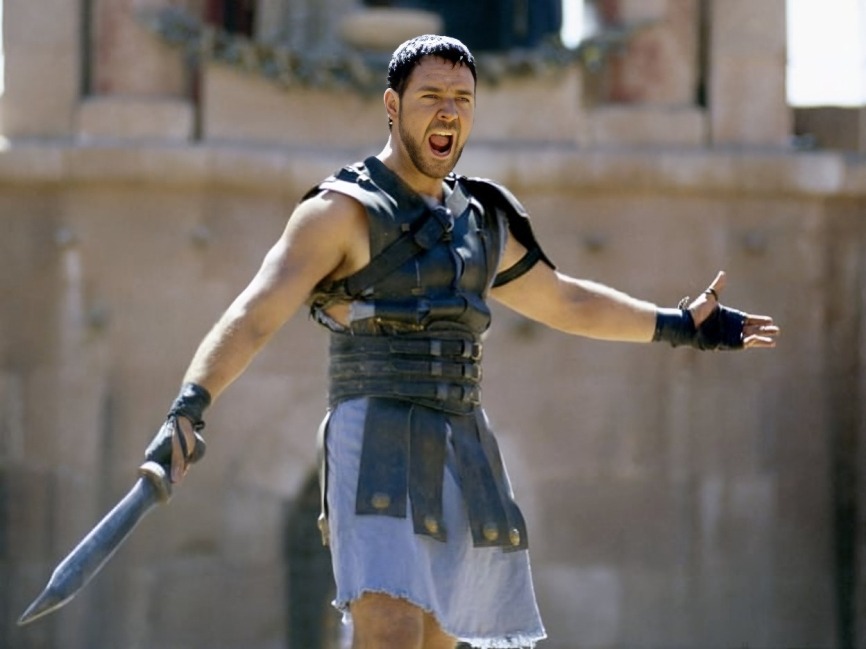
From the grand arenas of Gladiator to the dramatic betrayals of Spartacus and the polished palaces of Rome (HBO), Hollywood has never been shy about diving into ancient Roman history. The empire’s mix of political intrigue, warfare, decadence, and drama makes it irresistible on screen. But as gripping as these tales are, they often stray far from historical reality.
Let’s explore what Hollywood consistently gets wrong about ancient Rome—and why it matters.
Everyone’s Always at War or at a Party
In films, Romans are either waging epic battles or lounging in togas at lavish banquets. While both war and indulgence existed, this duality oversimplifies Roman life.
The truth: Most Romans, especially in cities, lived fairly ordinary lives filled with trade, farming, family duties, religious festivals, and hard labor. Life in Rome was often dirty, crowded, and deeply structured—not just sword fights and orgies.
Gladiator Fights Were Always to the Death
Hollywood loves the drama of blood-soaked arenas. In movies, gladiators fight like wild animals, battles always end in death, and the crowd chants for it.
The truth: Gladiators were valuable investments. Many matches ended in surrender, draws, or mercy. Fighters were trained athletes, not just disposable entertainment. While deaths did occur, they weren’t the main event every time.
All Romans Spoke in British Accents
Let’s be honest—when you hear a Roman in a movie, they usually sound like Shakespearean Brits. This gives a sense of intelligence or nobility, but it’s historically absurd.
The truth: Ancient Romans spoke Latin with a distinct sound, likely closer to modern-day Italian or Spanish accents. The British tone is pure stylistic choice, not fact.
Emperors Were Always Evil or Insane
From Nero’s flames to Commodus’ cruelty, Hollywood paints Roman emperors as bloodthirsty, unhinged tyrants. While some certainly were, not all fit the mold.
The truth: Many emperors were competent administrators, reformers, and military leaders. Augustus, for example, ruled for over 40 years and brought relative peace (Pax Romana). The empire was vast and complex—leadership had its flaws, but not all were villainous caricatures.
Women Had No Power
Films often depict Roman women as voiceless background characters—decorative at best, manipulated at worst.
The truth: While Roman society was patriarchal, many women, especially from noble families, wielded significant influence—through marriage alliances, wealth, and social connections. Figures like Livia Drusilla (wife of Augustus) played powerful roles behind the scenes.
Rome Fell Overnight
Some movies portray Rome’s fall as a sudden, explosive collapse—one day the empire ruled the world, the next it lay in ruins.
The truth: Rome’s decline was slow and complex, unfolding over centuries. It involved economic troubles, invasions, political corruption, and internal division. The Eastern Roman Empire (Byzantine) even lasted another thousand years after the West “fell.”
Christianity Was Instantly Accepted or Universally Persecuted
Hollywood either shows Christians being relentlessly hunted or instantly taking over Rome in one sweeping conversion.
The truth: Christianity spread gradually. Early Christians did face persecution, but it varied by region and emperor. Over time, Christianity integrated with Roman culture, culminating in Emperor Constantine’s conversion and the Edict of Milan (313 AD), which legalized the faith.
Conclusion
Hollywood’s Rome is entertaining—but it’s often more myth than fact. The real Rome was gritty, layered, and deeply human. While artistic license is expected in film, it’s worth remembering that true history is often more complex—and more fascinating—than fiction.
So next time you see a perfectly clean Colosseum or a Roman in golden armor dramatically shouting into battle, just know: it’s fun, but it’s not always real. And sometimes, the real stories are the ones most worth telling.
