
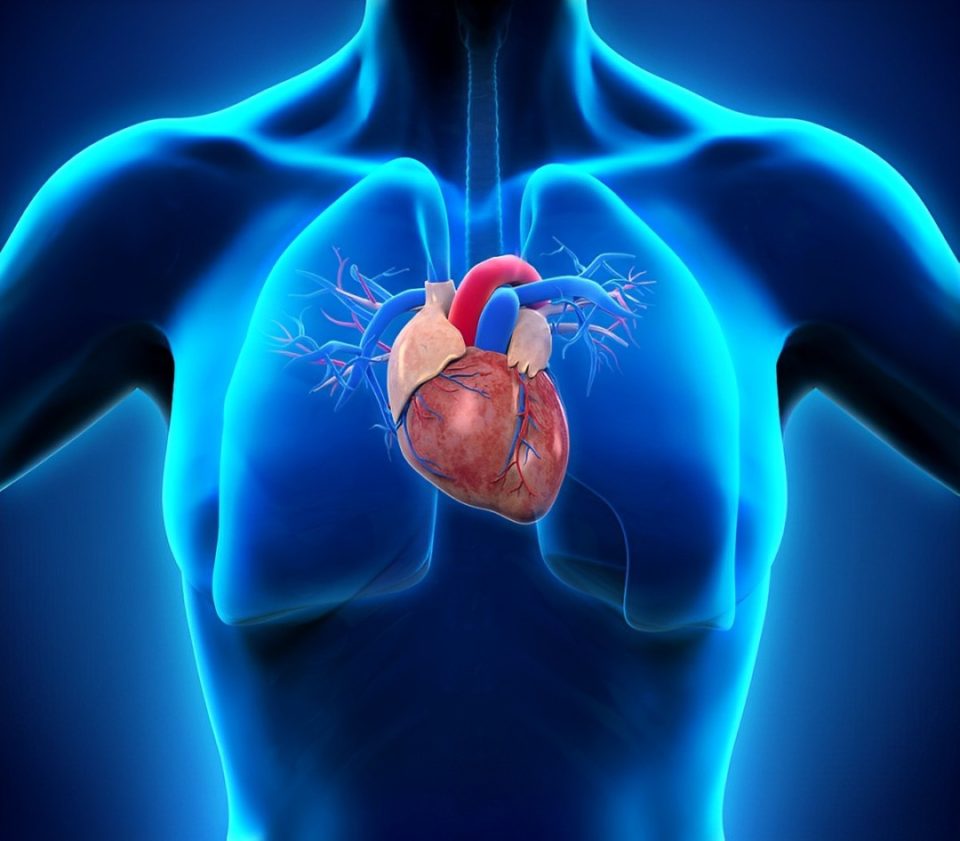
Taking care of your heart is crucial, especially if you’re recovering from a heart condition or surgery. Proper recovery can help you regain your strength, improve your overall well-being, and prevent future issues. Here are seven simple tips to support your heart health and boost your recovery.
1. Follow Your Doctor’s Advice
One of the most important things you can do for your heart recovery is to follow your doctor’s instructions carefully. Whether it’s taking prescribed medications, attending follow-up appointments, or making lifestyle changes, your doctor’s guidance is key to your recovery. Don’t hesitate to ask questions if you’re unsure about anything, and always communicate openly about how you’re feeling.
Why It Matters:
Safe Recovery:
Your doctor’s advice is tailored to your specific condition, ensuring that your recovery process is safe and effective.
Prevent Complications:
By sticking to your prescribed plan, you reduce the risk of complications or setbacks.
2. Adopt a Heart-Healthy Diet
Eating a heart-healthy diet is essential for improving recovery and maintaining good heart health in the long run. Ensure your meals are rich in a diverse range of fruits, vegetables, whole grains, and lean proteins. Reducing your intake of saturated fats, trans fats, salt, and sugar can also help lower your risk of future heart problems.
Why It Matters:
Nutrient-Rich Foods:
A balanced diet provides the nutrients your body needs to heal and stay strong.
Manage Weight:
Maintaining a healthy weight through proper nutrition can reduce the strain on your heart.
3. Engage in Regular Physical Activity
Once your doctor gives you the green light, gradually reintroduce physical activity into your routine. Exercise is crucial for strengthening your heart and improving circulation. Start with light activities like walking or stretching, and slowly increase the intensity as you build up your strength.
Why It Matters:
Stronger Heart:
Regular exercise helps improve cardiovascular fitness and boosts overall heart function.
Mood and Energy:
Physical activity can also enhance your mood and increase your energy levels, aiding in recovery.
4. Manage Stress Effectively
Stress can negatively impact your heart health, so it’s important to find healthy ways to manage it during your recovery. Try relaxation methods like deep breathing, meditation, or yoga.Spending time with loved ones, engaging in hobbies, or simply taking time to rest can also help reduce stress.
Why It Matters:
Lower Blood Pressure: Managing stress can help keep your blood pressure in check, reducing the strain on your heart.
Improved Mental Health: Reducing stress promotes better mental well-being, which is essential for overall recovery.
5. Get Enough Rest and Sleep
Adequate rest is vital for heart recovery. Your body needs time to heal, and getting enough sleep allows it to repair itself. Aim for 7-8 hours of sleep each night, and listen to your body’s signals. If you feel tired, don’t hesitate to take short naps or rest periods throughout the day.
Why It Matters:
Healing and Recovery:
Sleep is when your body repairs itself, making it a crucial component of recovery.
Better Heart Function:
Quality sleep supports healthy heart function and helps regulate blood pressure.
6. Quit Smoking and Limit Alcohol
If you smoke, giving it up is one of the most beneficial actions you can take for your heart.Smoking damages blood vessels and increases the risk of heart disease. Similarly, it’s important to limit alcohol consumption, as excessive drinking can lead to high blood pressure and other heart-related issues.
Why It Matters:
Healthier Blood Vessels:
Quitting smoking helps improve circulation and reduces the risk of further heart damage.
Reduced Risk:
Limiting alcohol intake lowers the risk of heart disease and other complications.
7. Stay Connected with Support Systems
Recovery can be challenging, so it’s important to stay connected with friends, family, and support groups. Having a strong support system can provide emotional encouragement and practical help during your recovery journey. Don’t be afraid to lean on others when you need it, and consider joining a heart health support group for additional guidance.
Why It Matters:
Emotional Support:
A strong support network can boost your morale and make recovery less overwhelming.
Practical Help:
Friends and family can assist with tasks and provide motivation to stick to your recovery plan.
Conclusion
Improving your heart health and recovery requires a combination of medical guidance, healthy lifestyle choices, and support from loved ones. By following these seven tips, you can enhance your recovery process, regain your strength, and protect your heart for the future. Remember, every small step you take towards better heart health can make a big difference in your overall well-being. Take it one day at a time, and prioritise your heart in everything you do.
