
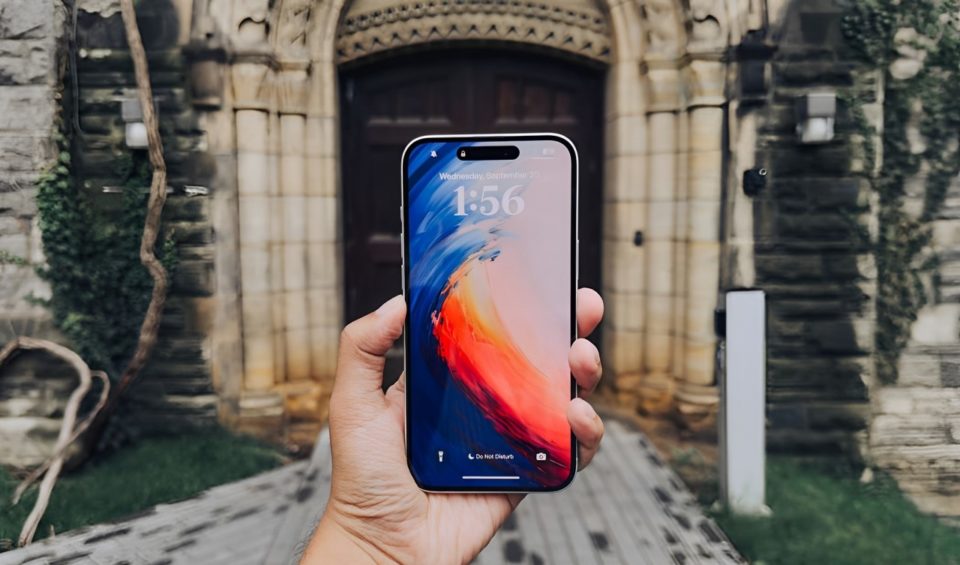
For decades, Apple has been synonymous with innovation, elegance, and perfection. From the iPod to the iPhone, from MacBooks to the Apple Watch, the company has set an industry standard that others have scrambled to match. Apple’s ecosystem, built on seamless integration and sleek design, has cultivated an almost religious following.
However, in recent years, the cracks in Apple’s once-unshakable reputation have started to show. Whether it’s stagnating innovation, increasing software glitches, or controversial design choices, Apple’s perfection seems to be fading—and it’s becoming impossible to ignore. Is Apple still the gold standard of technology, or is it losing the magic that made it an industry giant?
The Innovation Slowdown
Apple has built its empire on groundbreaking innovation. The introduction of the iPhone in 2007 revolutionized mobile technology, and the launch of the iPad in 2010 redefined personal computing. However, in recent years, Apple’s innovation curve seems to have plateaued.
The annual iPhone updates, once eagerly anticipated for their game-changing advancements, have become increasingly incremental. Consumers have started questioning whether upgrading to a new model is worth the price. While competitors like Samsung and Google are experimenting with foldable screens, AI-driven features, and revolutionary camera technology, Apple appears to be playing it safe—refining rather than reinventing.
The MacBook lineup has also faced criticism. While Apple Silicon chips have been a game-changer in performance, the MacBook designs have remained largely unchanged for years. Meanwhile, software limitations—like macOS restrictions on certain apps—have left professional users frustrated.
Rising Prices, Declining Value
Another major concern is Apple’s ever-increasing pricing strategy. While Apple has always positioned itself as a premium brand, the gap between price and perceived value is widening. The iPhone 15 Pro Max, for example, carries a hefty price tag, yet many of its upgrades feel like minor refinements rather than true innovations.
Additionally, Apple’s decision to remove essential accessories—such as charging bricks from iPhone boxes—under the guise of environmentalism has not been well received. Consumers feel they are paying more but getting less, which contradicts Apple’s historical commitment to providing an exceptional user experience.
Software Bugs and Quality Control Issues
Apple’s software was once known for its stability and smooth performance, but recent years have seen a rise in glitches, bugs, and frustrating inconsistencies. iOS updates have been riddled with issues, from battery-draining bugs to security vulnerabilities. macOS updates have also led to compatibility problems, leaving many users hesitant to update their devices.
The infamous butterfly keyboard fiasco in MacBooks (2015–2019) is another example of how Apple’s quality control has slipped. The ultra-thin keyboard design, meant to enhance aesthetics, ended up being a disaster, with keys frequently failing due to dust accumulation. It took Apple years to acknowledge and rectify the issue, damaging its reputation for reliability.
Controversial Design Decisions
Apple has made several design choices in recent years that have sparked controversy. The removal of the headphone jack from iPhones in 2016 was met with backlash, and the company justified it as a move toward wireless technology. However, critics argue that this change was more about pushing AirPods sales than true innovation.
Similarly, Apple’s insistence on using proprietary ports—such as Lightning instead of USB-C for years—has frustrated consumers who want universal compatibility. The decision to transition Macs exclusively to USB-C while keeping iPhones on Lightning until 2023 seemed inconsistent and consumer-unfriendly.
Competition Is Catching Up
Apple’s dominance is also being challenged by fierce competition. Samsung, Google, and even smaller brands like OnePlus are offering powerful alternatives with features that often surpass what Apple provides. Samsung’s Galaxy lineup has introduced cutting-edge foldable devices, Google’s Pixel series is excelling in AI-powered photography, and even budget-friendly brands are offering premium features at a fraction of Apple’s prices.
Moreover, in the realm of artificial intelligence, Apple seems to be lagging. While Google and Microsoft integrate AI deeply into their ecosystems, Apple’s AI advancements feel underwhelming in comparison. Siri, once a pioneering voice assistant, is now considered one of the weakest among its competitors.
Conclusion
Apple’s reputation for perfection is undeniably fading. While it remains one of the most powerful tech giants in the world, it is no longer untouchable. Its innovation has slowed, its pricing strategy is increasingly scrutinized, software issues are mounting, and competition is fiercer than ever.
Apple still has the potential to reclaim its throne by embracing true innovation rather than relying on incremental updates and brand loyalty. The question remains: Will Apple recognize these cracks in its perfection and take bold steps forward, or will it continue to coast on past glory until it’s too late? Only time will tell.
