
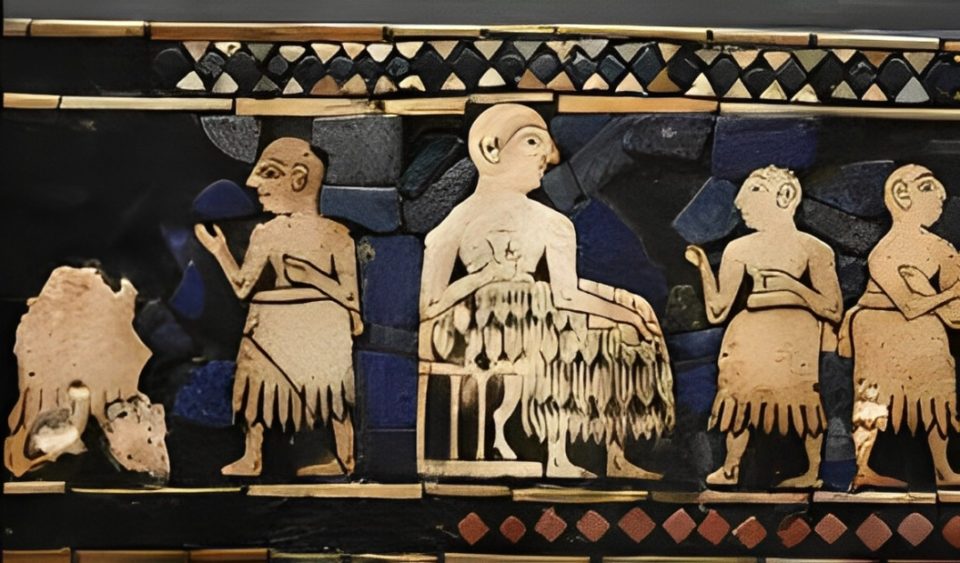
Ancient Mesopotamia, known as the “Cradle of Civilization,” was home to some of the world’s first great cities, inventions, and governments. It was a land of remarkable achievements, but daily life was full of surprises, some fascinating and others quite shocking. From harsh laws to advanced technology, here are seven surprising facts about life in ancient Mesopotamia that will change the way you see history.
They Invented Writing—But It Wasn’t for Stories
The Mesopotamians were the first to develop a writing system, called cuneiform, around 3,100 BCE. However, they didn’t start by writing stories or poetry. Instead, writing was used for accounting! Merchants and officials recorded trade, food supplies, and taxes by pressing wedge-shaped symbols into clay tablets. Over time, cuneiform evolved to include myths, legal codes, and even personal letters, making it one of the most significant inventions in human history.
Their Laws Were Extremely Harsh
The Code of Hammurabi, written by the Babylonian king Hammurabi around 1754 BCE, is one of the earliest and most detailed legal codes in history. It had over 280 laws, and many of them followed the principle of “an eye for an eye”—meaning that punishments often matched the crime. For example, if a builder constructed a house that collapsed and killed the owner, the builder could be sentenced to death. Even minor offenses, like theft, could result in severe penalties, including mutilation or execution.
Mesopotamians Were Some of the First Beer Lovers
Beer was one of the most popular drinks in ancient Mesopotamia. It was made from barley and was so important that workers were sometimes paid in beer instead of money! The Sumerians even had a goddess of beer, Ninkasi, and an ancient poem called the “Hymn to Ninkasi” describes the brewing process. Beer wasn’t just a recreational drink—it was considered nutritious and was safer to drink than contaminated water.
They Practiced Strange and Brutal Medical Treatments
Medicine in Mesopotamia was a mix of magic, religion, and herbal remedies. Doctors, called asû and ashipu, believed that illnesses were often caused by evil spirits, so treatments included both natural medicines and spiritual rituals. Some of their methods were truly shocking. For example, if a patient had a toothache, the doctor might recite a spell while also prescribing a mix of crushed plants and honey. Surgery was rare, but some skulls found by archaeologists suggest they attempted brain surgery!
Women Had More Rights Than You’d Expect
Unlike in many later civilizations, women in Mesopotamia had significant rights and could own property, run businesses, and even become priestesses or scribes. Some women were highly educated and even worked as doctors or advisors to the king. However, their rights depended on their social status. While noblewomen had more freedom, lower-class women often had to follow stricter rules and had fewer privileges.
They Built Advanced Cities with Ziggurats
Mesopotamians built some of the world’s first cities, such as Ur, Babylon, and Nineveh. Their cities were well-planned and had streets, marketplaces, and large temple complexes. One of their most incredible architectural achievements was the ziggurat, a massive step-shaped temple dedicated to the gods. These towering structures were the centers of religious and political life. The famous Ziggurat of Ur, built around 2,100 BCE, still partially stands today and gives us a glimpse into the grandeur of Mesopotamian architecture.
They Believed in a Dark and Gloomy Afterlife
Unlike the Egyptians, who believed in a paradise-like afterlife, Mesopotamians had a much bleaker view of the afterlife. They believed that when people died, their souls went to the Land of No Return, a shadowy underworld where they ate dust and had no escape. The epic story of Gilgamesh, one of the oldest known pieces of literature, describes a king’s desperate search for immortality, showing how deeply Mesopotamians feared death and the afterlife.
Conclusion
Mesopotamia was one of the most advanced civilizations of its time, filled with groundbreaking achievements in writing, law, and architecture. However, their harsh laws, eerie beliefs, and medical practices remind us how different life was in the ancient world. While some of their customs seem strange or brutal today, Mesopotamians laid the foundation for modern society in ways we still benefit from. Their legacy continues to fascinate historians, and the discoveries from this civilization will keep surprising us for years to come.
What do you think was the most surprising fact about ancient Mesopotamia? Let us know in the comments!
