
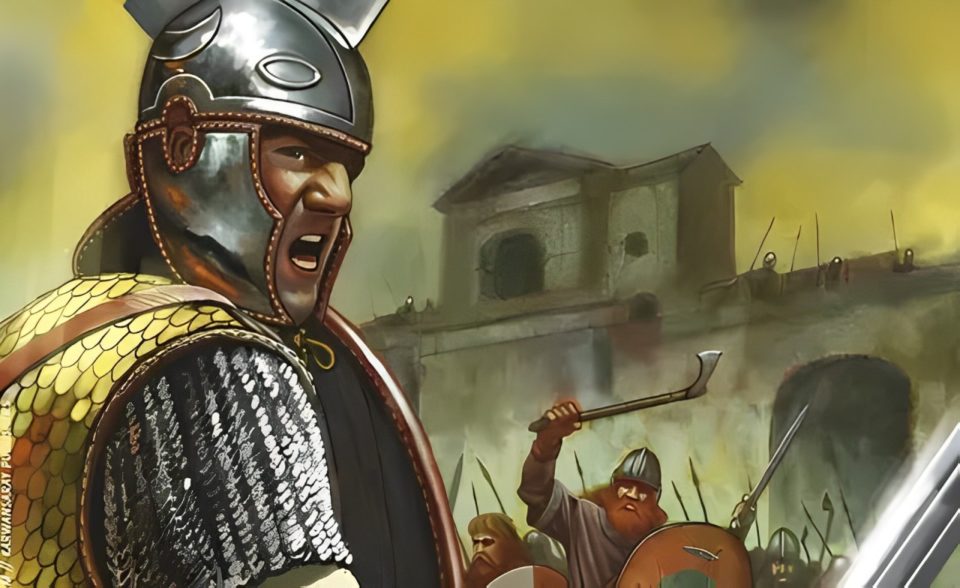
The fall of the Western Roman Empire remains one of history’s most debated and fascinating events. This seismic shift in world history marked the end of an era and set the stage for the medieval period. Scholars and enthusiasts alike have posed countless questions about its causes, timeline, and consequences. Below, we explore five key questions that shed light on the decline of one of history’s most powerful empires.
What Were the Main Causes of the Fall of the Western Roman Empire?
The fall of the Western Roman Empire was not the result of a single event but rather a combination of internal weaknesses and external pressures.
Internal Decline: Political instability plagued the empire, with frequent changes in leadership and civil wars undermining its governance. Economic troubles, such as rampant inflation, heavy taxation, and reliance on slave labor, eroded its foundation. Additionally, social decay and a loss of civic pride weakened the empire from within.
External Pressures: Invasions by barbarian tribes, including the Visigoths, Vandals, and Huns, placed immense strain on Rome’s military and resources. The sacking of Rome by Alaric in 410 CE and the eventual deposition of Emperor Romulus Augustulus in 476 CE symbolized the empire’s collapse.
How Did the Division of the Empire Contribute to Its Decline?
In 285 CE, Emperor Diocletian divided the Roman Empire into Eastern and Western halves to make it more manageable. While the Eastern Roman Empire, later known as the Byzantine Empire, thrived due to its wealth and strategic location, the Western half struggled.
The Western Empire lacked the financial resources and stable infrastructure of its Eastern counterpart. The division also created a sense of competition rather than cooperation, further weakening the Western Empire’s ability to respond to external threats effectively.
What Role Did Christianity Play in the Fall of the Empire?
The rise of Christianity brought significant cultural and societal changes to the Roman Empire. Once a persecuted minority, Christians gained prominence after Emperor Constantine’s Edict of Milan in 313 CE, which legalized the religion, and later Theodosius I’s declaration of Christianity as the state religion in 380 CE.
Critics argue that the shift from traditional Roman polytheism to Christianity may have undermined the empire’s traditional values and institutions. The Church’s growing influence also diverted resources and focus away from the state. However, others contend that Christianity provided a unifying force during the empire’s decline.
Why Did the Western Roman Empire Fall While the Eastern Empire Survived?
Several factors contributed to the survival of the Eastern Roman Empire:
Geographic Advantage: The Eastern Empire was centered around Constantinople (modern-day Istanbul), a city with formidable defenses and a strategic location for trade and military purposes.
Economic Stability: The Eastern Empire controlled wealthy provinces in the Near East and Egypt, ensuring a steady flow of resources.
Military Organization: The Eastern Empire maintained a more disciplined and effective military, capable of repelling invasions for centuries.
In contrast, the Western Empire faced repeated invasions, economic hardship, and political instability, leading to its eventual downfall.
What Were the Immediate and Long-Term Consequences of the Fall?
The fall of the Western Roman Empire had profound and lasting effects on Europe and beyond:
Immediate Consequences: The collapse led to the fragmentation of Western Europe into smaller, often warring kingdoms. This period, known as the Dark Ages, saw a decline in urban life, literacy, and centralized governance.
Long-Term Impact: The fall of Rome paved the way for the rise of feudalism and the eventual formation of modern European nations. The Catholic Church emerged as a dominant force, preserving some aspects of Roman culture and influencing medieval Europe.
Conclusion
The fall of the Western Roman Empire is a complex and multifaceted event that continues to captivate historians and the public alike. By examining its causes, contributing factors, and consequences, we gain a deeper understanding of how this monumental event shaped the course of history. While the empire may have fallen, its legacy endures in countless aspects of modern culture, governance, and society.
