
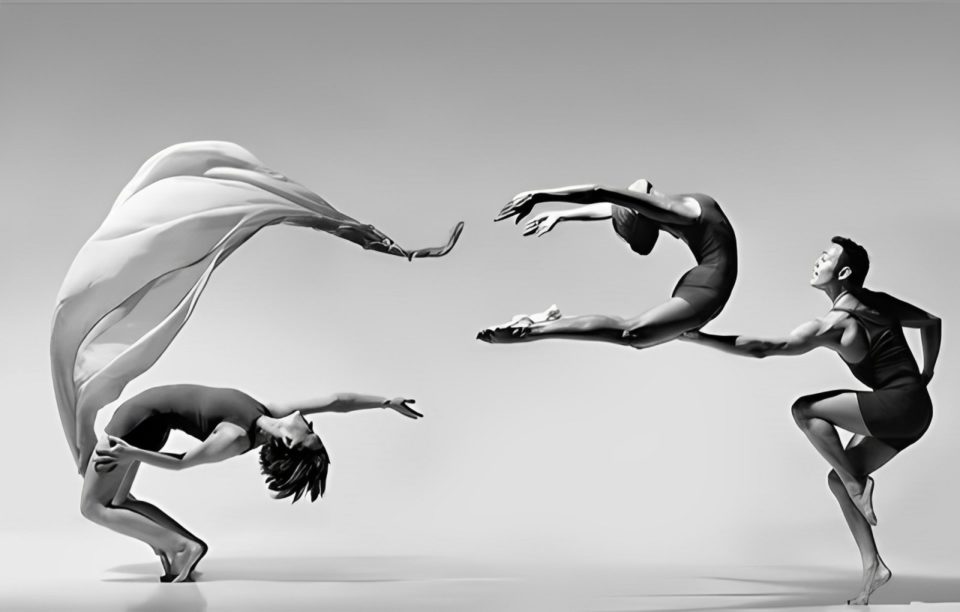
Dance is an extraordinary medium that transcends language and cultural barriers. It is not just an art form but a universal language that brings people together, fostering unity in diversity. Through its rhythmic patterns and fluid movements, dance connects cultures, celebrates heritage, and expresses the shared human experience. In a world that often seems divided, dance serves as a powerful reminder of our collective humanity.
The Universal Language of Dance
Dance is an innate human expression, speaking directly to the soul. Across time and cultures, it has been a way to convey emotions, tell stories, and communicate complex ideas without the need for words. Whether it’s the precise, graceful footwork of Indian Kathak, the soulful improvisation of American jazz dance, or the vibrant, high-energy movements of African tribal dances, every form carries a unique cultural identity. Despite their differences, all dances share a common essence: the ability to connect and communicate.
When people from diverse backgrounds come together to dance, barriers of language and geography dissolve. They find a shared rhythm, a universal pulse that unites them in joy and understanding. Dance becomes a bridge, fostering relationships and building a sense of community.
A Bridge Between Cultures
Globalization has amplified the ability of dance to cross borders. With the advent of the internet and cultural exchanges, fusion dance styles have emerged, blending elements from various traditions. Salsa, for instance, has its roots in Latin America but has become a beloved form practiced across the globe. Similarly, the influence of K-pop choreography has expanded far beyond South Korea, inspiring millions to replicate its moves in dance studios and on social media platforms worldwide.
Such exchanges go beyond entertainment—they foster appreciation and empathy. When someone learns a dance form from another culture, they gain insight into its history, values, and artistry. These interactions break stereotypes, encouraging a more nuanced understanding of cultural diversity.
Dance as a Keeper of Tradition
Dance has always been a cornerstone of cultural heritage. Traditional dances are not just performances; they are living archives of history, values, and beliefs passed down through generations. For example, the Japanese Noh dance-drama combines movement, music, and storytelling to reflect centuries-old traditions. Similarly, Ireland’s lively jig embodies the spirit of its people and their history.
These traditional dances are windows into the past, allowing us to honor and preserve cultural legacies. When they are shared on international stages or celebrated in cultural festivals, they invite global audiences to appreciate the richness of their origins. This shared experience promotes cultural exchange while safeguarding these art forms for future generations.
Modern Platforms Amplify Connectivity
In the digital age, social media has revolutionized the way we share and experience dance. Platforms like TikTok, Instagram, and YouTube have turned dance into a global phenomenon. Viral dance challenges, such as the Renegade or Jerusalema, have united millions, encouraging participation regardless of age, location, or background.
These platforms act as virtual stages where dancers can showcase their art and celebrate their culture. They allow traditional forms like the Balinese Legong or the Hawaiian Hula to gain new audiences, while also enabling emerging styles to flourish. This democratization of dance strengthens its role as a connector of cultures and a promoter of global creativity.
Breaking Barriers Through Movement
Dance festivals and events are another testament to its unifying power. International gatherings such as the World Dance Festival or the Carnival in Rio de Janeiro draw participants and spectators from all corners of the globe. These events showcase the vast diversity of dance while emphasizing the universal joy it brings.
Such gatherings also serve as cultural exchanges, where participants learn from one another and forge connections that transcend linguistic and geographical divides. Whether it’s a street performance or a grand stage production, these moments of shared movement remind us of our interconnectedness.
Conclusion
Dance is far more than movement; it is a celebration of life, identity, and shared humanity. By transcending borders and bridging cultures, it reminds us that no matter how different we may seem, we are all part of the same global rhythm.
In embracing dance, we embrace the richness of human diversity while finding the common threads that unite us. As we continue to learn, share, and celebrate through movement, we pave the way for a more connected and harmonious world.
So let us dance together, across borders and cultures, for in every step, turn, and leap, we discover unity in our collective journey.
