
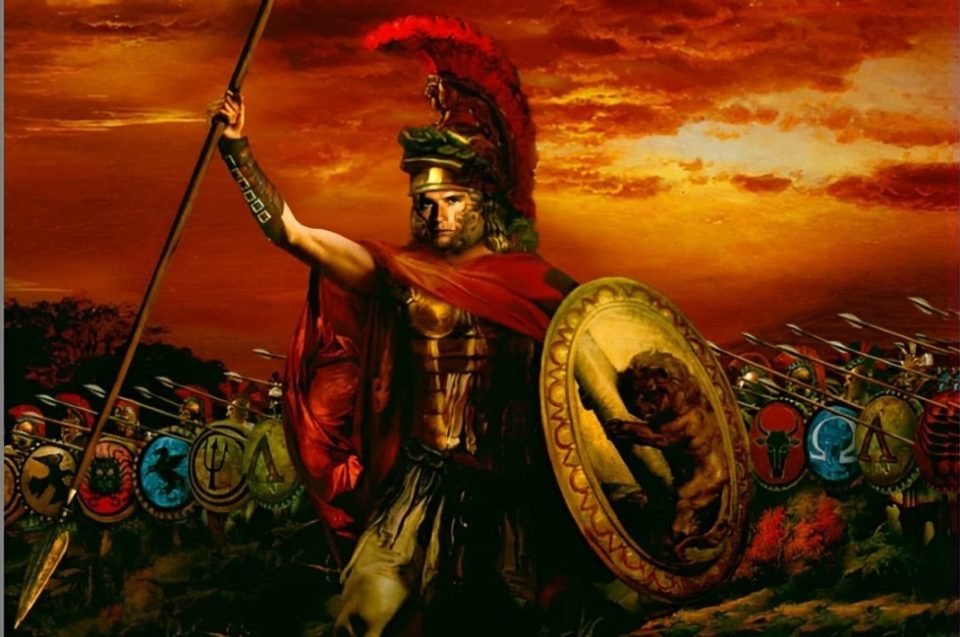
Alexander the Great, one of history’s most renowned military leaders, created an empire that stretched from Greece to Egypt and into the heart of Asia. His conquests have fascinated historians and strategists for centuries. But what exactly enabled this young Macedonian king to achieve such unprecedented success? Here are ten key reasons behind Alexander the Great’s world-changing conquests.
Visionary Leadership
Alexander possessed a clear vision of his destiny to create a vast empire. Inspired by his father, King Philip II of Macedon, and fueled by his own ambitions, Alexander sought not only to conquer territories but to unite them under a common cultural and political framework. His charisma and leadership inspired loyalty among his troops, who were willing to follow him to the ends of the earth.
Military Genius
Alexander was a military prodigy. He demonstrated an uncanny ability to assess battlefield situations and adapt his strategies accordingly. His use of the phalanx, combined with cavalry maneuvers, allowed him to outflank and overwhelm larger enemy forces. His victory at the Battle of Gaugamela, where he decisively defeated the Persian Emperor Darius III, is a testament to his tactical brilliance.
Innovative Tactics
Alexander was not bound by traditional warfare techniques. He constantly innovated, using deception, speed, and surprise to outmaneuver his enemies. His use of siege warfare, exemplified by the successful capture of the heavily fortified city of Tyre, showcased his ability to adapt to different combat scenarios and achieve victory where others had failed.
Fearless Determination
Alexander’s personal bravery on the battlefield was legendary. He often led from the front, placing himself in the thick of the fighting. This fearlessness earned him the unwavering respect and loyalty of his soldiers, who saw him as both a leader and a fellow warrior. His willingness to risk his life alongside his men solidified their commitment to his cause.
Strategic Alliances
Alexander was adept at forming strategic alliances that bolstered his military campaigns. He skillfully used diplomacy to secure the loyalty of conquered territories, often allowing local rulers to maintain their positions under his authority. His marriage to Roxana, a Bactrian princess, is a prime example of his use of marriage as a political tool to secure alliances and integrate different cultures into his empire.
Effective Use of Resources
Alexander understood the importance of logistics in maintaining a successful campaign. He ensured that his army was well-supplied and that his soldiers were motivated and well-compensated. He also effectively used the resources of the territories he conquered, integrating them into his empire and using their wealth to fund further campaigns.
Cultural Integration
Unlike many conquerors, Alexander sought to integrate the cultures of the regions he conquered. He adopted elements of Persian dress and customs, encouraged marriages between his soldiers and local women, and founded cities that served as cultural melting pots. This policy of cultural integration helped stabilize his empire and facilitated the spread of Hellenistic culture across the known world.
Relentless Ambition
Alexander’s ambition knew no bounds. He was driven by a desire to push the limits of his empire as far as possible, even venturing into the unknown regions of Central Asia and India. This relentless pursuit of expansion kept his enemies on the defensive and allowed him to achieve conquests that had never been imagined before.
Loyal and Skilled Companions
Alexander surrounded himself with a group of loyal and skilled generals and advisors, known as the “Companions.” Figures like Parmenion, Hephaestion, and Ptolemy played crucial roles in executing Alexander’s campaigns. Their loyalty and competence were instrumental in his success, providing him with the support needed to manage his vast empire.
Divine Belief
Finally, Alexander’s belief in his divine mission played a crucial role in his conquests. He claimed descent from the gods and often invoked divine favor to justify his actions. This belief not only bolstered his own confidence but also inspired awe and fear in his enemies, who saw him as a divinely favored conqueror.
Conclusion
Alexander the Great’s ability to conquer vast territories and establish an empire that spanned continents was the result of a unique combination of visionary leadership, military genius, and strategic acumen. His conquests reshaped the ancient world, spreading Greek culture and ideas far beyond their original borders. While his empire eventually fragmented after his death, the legacy of Alexander the Great endures, a testament to the enduring power of ambition, innovation, and leadership.
