
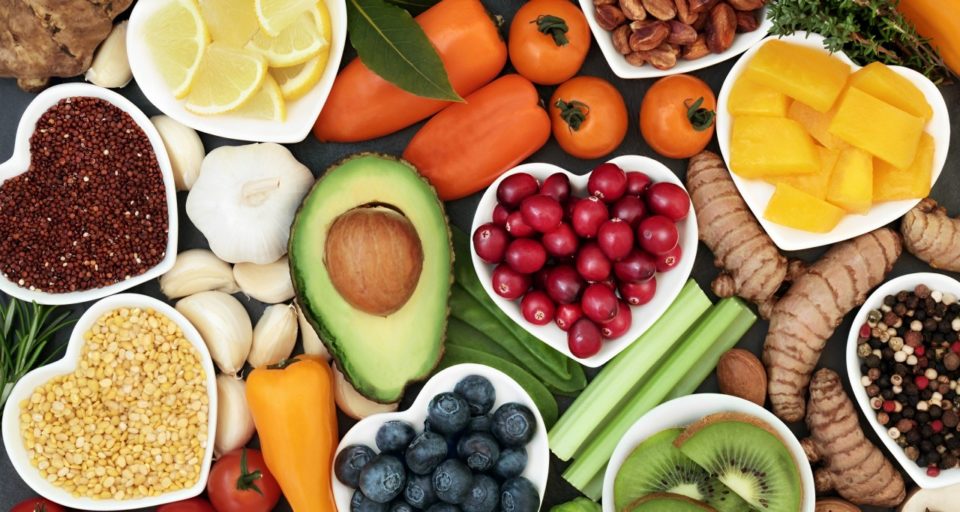
When we think of healthy eating, we often imagine that more is always better. After all, fruits, vegetables, whole grains, and lean proteins are beneficial for our health, right? However, there’s a growing recognition that even healthy foods, when consumed excessively, can have unintended negative effects on our health and well-being. Here’s a closer look at how overindulging in healthy foods might lead to issues.
Nutrient Imbalance
Healthy foods like fruits, vegetables, and whole grains are packed with essential nutrients, but consuming them in excess can lead to nutrient imbalances. For instance, eating too many high-fiber foods may result in digestive issues, such as bloating or constipation, if not enough water is consumed. Similarly, an overabundance of certain vitamins or minerals can lead to toxicity. For example, excessive intake of vitamin A from sources like carrots or sweet potatoes can lead to hypervitaminosis A, which can cause nausea, dizziness, and even liver damage.
Caloric Overload
Even though healthy foods are generally lower in calories, eating them in large quantities can still contribute to excessive calorie intake. For instance, nuts and avocados are nutritious but calorie-dense. Overeating these can lead to weight gain, which can counteract the benefits of a healthy diet and increase the risk of conditions like heart disease or diabetes.
Digestive Issues
High-fiber foods, such as beans, lentils, and whole grains, are great for digestion in moderation. However, consuming them in excess can overwhelm your digestive system. Too much fiber can lead to gastrointestinal discomfort, including gas, bloating, and diarrhea. It’s important to balance fiber intake with adequate hydration and to gradually increase fiber consumption to allow your digestive system to adjust.
Potential for Nutritional Deficiencies
Focusing too narrowly on certain healthy foods can lead to nutritional deficiencies. For example, a diet excessively high in fruits and vegetables might lack adequate protein and healthy fats, leading to potential deficiencies in essential nutrients like omega-3 fatty acids, iron, or vitamin B12. Ensuring a balanced diet that includes a variety of food groups helps maintain overall health.
Disordered Eating Patterns
Obsessively focusing on consuming only healthy foods can sometimes lead to unhealthy eating behaviors, such as orthorexia, which is an unhealthy obsession with eating only “pure” or “clean” foods. This preoccupation can negatively impact mental health and lead to disordered eating patterns. It’s crucial to approach healthy eating with balance and flexibility to maintain a positive relationship with food.
Impact on Social and Emotional Well-being
Constantly monitoring and controlling food intake to adhere strictly to healthy eating can affect social interactions and emotional well-being. It might lead to anxiety or stress about food choices, which can diminish enjoyment of social gatherings and impact overall quality of life. A balanced approach to eating allows for flexibility and enjoyment without compromising health.
Altered Taste Preferences
Regularly consuming highly nutritious foods may alter taste preferences over time. For instance, a diet excessively rich in sweet fruits may decrease appreciation for less sweet but equally healthy foods. Maintaining a diverse diet helps ensure that you enjoy a wide range of flavors and nutrients, which is beneficial for long-term dietary adherence and overall satisfaction.
Conclusion
While incorporating healthy foods into your diet is crucial for maintaining good health, it’s important to remember that moderation and balance are key. Overconsumption of even the healthiest foods can lead to unintended negative effects, including nutrient imbalances, digestive issues, and potential impacts on mental health. A varied diet that includes a mix of all food groups, combined with mindful eating practices, helps promote overall well-being and ensures that you reap the benefits of healthy eating without the drawbacks.
