
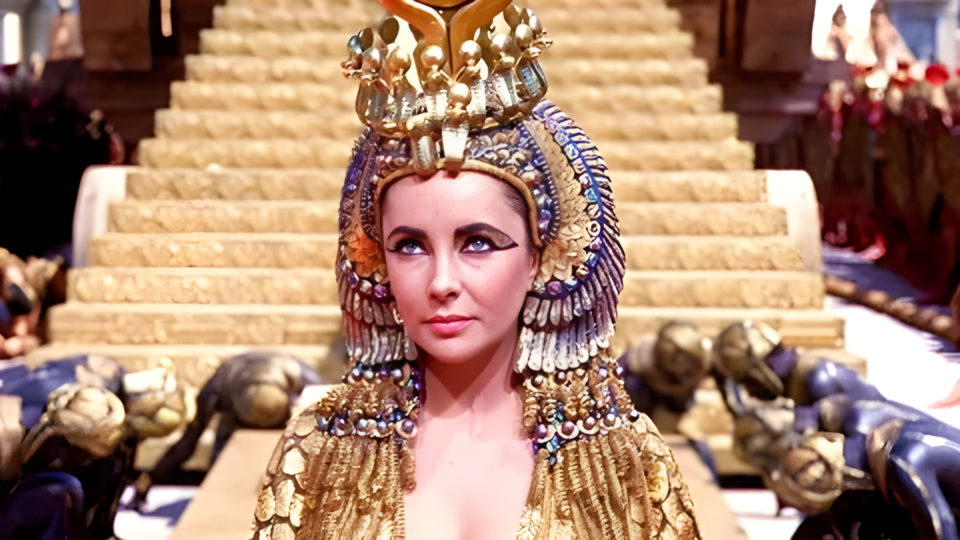
Cleopatra, one of history’s most enigmatic figures, has long been associated with beauty, intelligence, and power. As Queen of Egypt, her allure captivated some of the most influential men of her time, including Julius Caesar and Mark Antony. But would Cleopatra’s appearance hold up to modern beauty standards? Let’s dive into history, art, and modern ideals to explore how Cleopatra’s beauty would be perceived today.
Cleopatra’s True Appearance: What Do We Really Know?
Despite her legendary beauty, there’s little historical evidence describing Cleopatra’s physical features in detail. Ancient writers like Plutarch suggested that her charm and intelligence were just as compelling, if not more so, than her looks. Cleopatra’s beauty seems to have been tied to her charisma, intellect, and seductive persona rather than just her physical appearance.
Coins and statues from her reign provide some clues, but they depict her with strong, distinctive features, such as a prominent nose, sharp cheekbones, and a slender face. These depictions differ from the modern Western image of a classically symmetrical face with soft features, leaving historians and artists to speculate on her real appearance.
Beauty Standards of Ancient Egypt vs. Today
To understand Cleopatra’s appearance in context, it’s essential to compare ancient Egyptian beauty ideals with today’s. In Cleopatra’s time, Egyptians valued symmetrical features, almond-shaped eyes, full lips, and tanned skin. Egyptian women, including Cleopatra, would use makeup like black kohl eyeliner to enhance their eyes, which was considered a sign of beauty and status.
Fast-forward to today, and Western beauty standards—heavily influenced by media and pop culture—tend to favor symmetrical faces, clear skin, full lips, high cheekbones, and a specific body shape (lean yet curvy). However, beauty is subjective and varies by culture, with increasing emphasis on diversity in modern times.
Cleopatra’s Features and Modern Standards
If Cleopatra’s actual appearance was similar to the depictions on ancient coins and statues, she may not align perfectly with some of today’s most popular beauty ideals. Her prominent nose, for instance, might stand out in contrast to modern Western preferences for smaller, button-like noses. But beauty trends are ever-evolving, and there has been a growing embrace of unique and diverse facial features in the fashion and beauty industries.
It’s also important to consider that Cleopatra’s status, wealth, and power contributed to her attractiveness. In ancient times, beauty was often intertwined with power, wealth, and social standing. This remains true today, with confidence and influence being key components of modern allure.
Modern Depictions of Cleopatra: How Accurate Are They?
Hollywood has shaped our modern image of Cleopatra. Films such as “Cleopatra” (1963) starring Elizabeth Taylor have cemented an image of Cleopatra as a fair-skinned, classically beautiful woman with sharp makeup and flowing gowns. But this version of Cleopatra is largely a product of Western beauty ideals rather than historical accuracy.
In reality, Cleopatra was of Macedonian Greek descent, part of the Ptolemaic dynasty, which ruled Egypt after Alexander the Great’s conquest. While her heritage was Greek, she would have likely had some Egyptian cultural influences in her appearance and style. Her skin tone was likely olive or darker than the traditionally fair-skinned Cleopatra we see in films.
Charisma Over Conventional Beauty
One of Cleopatra’s most attractive qualities, according to ancient accounts, was her intelligence, wit, and charm. She spoke several languages, was highly educated, and adept in politics. It was this combination of intellect and charm that won over both Caesar and Mark Antony, two of the most powerful men of the era.
In today’s world, personality and confidence are considered key elements of attractiveness. Celebrities and public figures who stand out often possess a combination of beauty, charisma, and intelligence. Cleopatra’s ability to captivate others with her presence rather than just her looks aligns with modern ideals of beauty that extend beyond physical appearance.
Cultural Shifts and Diverse Standards of Beauty
Modern standards of beauty are increasingly diverse, recognizing beauty in different ethnicities, body types, and facial features. Cleopatra’s darker skin, exotic features, and strong profile may very well align with contemporary trends celebrating distinct and striking looks. The current beauty landscape is moving away from rigid ideals and embracing uniqueness, and Cleopatra’s looks might have made her a style icon in this era.
The Role of Power in Perceived Beauty
Power and beauty are often intertwined. In Cleopatra’s case, her position as the ruler of Egypt would have enhanced her attractiveness. Even in today’s society, power and influence can make people appear more attractive. This is evident in the way celebrities and influencers can set beauty trends simply because of their status and confidence. Cleopatra’s political and intellectual prowess would certainly enhance her appeal, making her attractive in a modern context.
Cleopatra’s Timeless Influence on Fashion and Beauty
Cleopatra’s style has had a lasting impact on fashion and beauty trends. Her iconic use of black eyeliner, bold jewelry, and elaborate headdresses has inspired generations. The Cleopatra “cat-eye” look is still one of the most popular makeup trends today. In this sense, Cleopatra’s influence on beauty transcends time, and her aesthetic choices would likely still be admired in the modern world.
Conclusion
While Cleopatra’s physical features might not align perfectly with every modern beauty ideal, beauty is subjective and ever-changing. Her intelligence, charisma, and unique appearance—coupled with her powerful presence—would likely make her stand out in any era. Today’s beauty standards are shifting toward celebrating individuality and diversity, making Cleopatra’s distinctive looks and captivating personality just as desirable in the modern world as they were in ancient times.
In the end, Cleopatra’s beauty goes beyond her appearance—her influence, intelligence, and charm were, and still are, key factors in why she remains a figure of fascination and admiration.
