
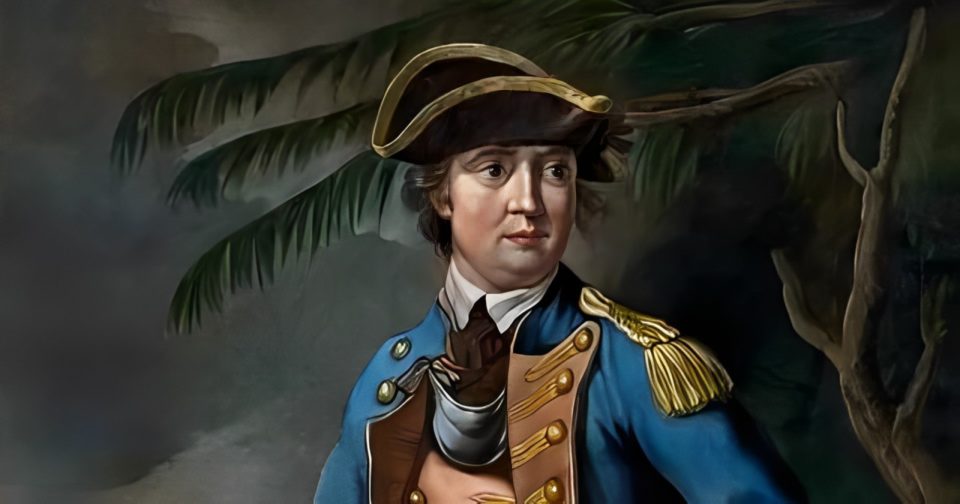
Benedict Arnold is one of the most infamous figures in American history, known for his act of treason during the Revolutionary War. While his name has become synonymous with betrayal, the story of what happened to him after his infamous act is equally fascinating and complex. Here’s a look at Arnold’s life following his attempted treason and his subsequent journey.
The Betrayal
In 1780, Benedict Arnold, a general in the Continental Army, plotted to surrender the American fort at West Point to the British. His plan was to receive a substantial sum of money and a high-ranking position in the British army in return. The plot was uncovered when American forces captured British Major John André, who carried papers revealing Arnold’s intentions. Arnold fled to British lines, narrowly escaping capture.
Aftermath in America
Arnold’s betrayal was met with widespread outrage and condemnation. His name became synonymous with treason, and he was widely despised. His former comrades and the American public viewed him as a traitor of the highest order.
Consequences:
Public Hatred: Arnold’s name became a byword for treachery. Effigies of him were burned, and his previous contributions to the American cause were overshadowed by his betrayal.
Disavowal: Many who had once admired him now sought to erase his memory, and he became a symbol of infamy.
Life in the British Army
After his escape, Arnold was given a commission as a brigadier general in the British army and a monetary reward. However, his new life was far from ideal.
Service in the British Army:
Military Actions: Arnold led British troops in several engagements, including raids in Virginia and Connecticut. These actions only deepened the animosity of the American people toward him.
Lack of Trust: Despite his rank, Arnold was never fully trusted by the British, who saw him as a turncoat and feared he might betray them as he had the Americans.
Post-War Years
After the war, Arnold and his family relocated to London. He sought recognition and reward for his services to the British Crown but found himself largely ignored and marginalized.
Life in Britain:
Business Ventures: Arnold engaged in several business ventures, including a failed attempt to establish a West India trade. His ventures were largely unsuccessful, leading to financial difficulties.
Social Ostracism: Arnold was never fully accepted by British society. Many viewed him with suspicion and disdain, and he struggled to find a place in his adopted country.
Health Decline: Arnold’s later years were marked by declining health. He suffered from gout and other ailments, which took a toll on his physical and mental well-being.
Death and Legacy
Benedict Arnold died on June 14, 1801, in London, at the age of 60. He was buried without military honors, and his grave remained unmarked for many years.
Legacy:
Infamy: Arnold’s name remains synonymous with betrayal in the United States. His story is a cautionary tale of ambition and treachery.
Complexity: Despite his infamy, some historians acknowledge Arnold’s earlier contributions to the American cause, recognizing his complexity as a historical figure.
Conclusion
Benedict Arnold’s life after his infamous betrayal was marked by a series of disappointments and failures. Shunned by both the Americans and the British, he lived out his days in relative obscurity, never fully escaping the shadow of his treachery. Arnold’s story serves as a powerful reminder of the consequences of betrayal and the enduring impact of one’s actions on their legacy.
