
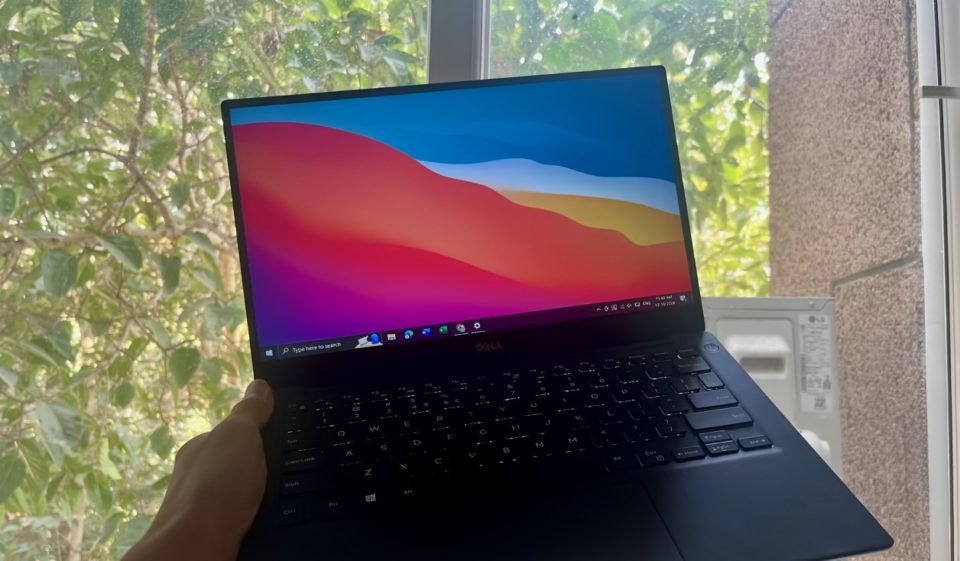
With the release of Windows 11, many users expected Windows 10 to fade into obscurity. However, despite being over eight years old, Windows 10 remains the preferred operating system for millions worldwide. While Microsoft is pushing users toward its latest version, Windows 10 continues to outshine Windows 11 in many ways.
From stability and compatibility to user-friendliness and performance, Windows 10 has cemented itself as the best version of Windows. But what makes it so great, and why are so many users hesitant to upgrade? Let’s explore the reasons why Windows 10 is still the gold standard for Microsoft’s OS.
Stability and Reliability
Windows 10 has been around long enough for Microsoft to iron out most of its flaws. Unlike Windows 11, which is still undergoing updates to fix compatibility and performance issues, Windows 10 is a rock-solid operating system that doesn’t crash unexpectedly or introduce new bugs with each update.
Since its release in 2015, Windows 10 has gone through multiple major updates, each improving system stability and security. While early versions had their fair share of issues, today’s Windows 10 is a refined and mature operating system that simply works.
Better Hardware and Software Compatibility
One of Windows 11’s biggest drawbacks is its strict hardware requirements. Many older PCs and laptops, including some high-performance models, are not eligible for the upgrade due to TPM 2.0 and Secure Boot requirements. This has forced many users to stick with Windows 10, which runs smoothly on a wide range of devices, including older systems that would be rendered obsolete under Windows 11.
Additionally, Windows 10 has broader software compatibility. Many businesses and professionals rely on legacy applications that are not yet optimized for Windows 11, making Windows 10 the more practical choice.
A Familiar and User-Friendly Interface
One of the most controversial aspects of Windows 11 is its redesigned interface, which moves the Start menu and taskbar icons to the center of the screen. While some users appreciate the modern look, others find it unnecessary and frustrating.
Windows 10, on the other hand, retains the classic Start menu and taskbar layout that users have been accustomed to for years. It strikes the perfect balance between the traditional Windows feel and modern design, making it easy for users to navigate and personalize their experience.
Customization and Control
Windows 10 gives users more control over their experience compared to Windows 11. In Windows 11, Microsoft has restricted certain customization options, making it harder to tweak the taskbar, change default apps, or disable unwanted features.
For example:
Windows 10 allows users to move the taskbar to any side of the screen, while Windows 11 forces it to stay at the bottom.
Windows 10 provides easier access to system settings, while Windows 11 buries many options deeper within menus.
Windows 10 users can disable telemetry and tracking features more easily, whereas Windows 11 pushes more data collection policies.
For those who prefer to have full control over their OS, Windows 10 remains the better choice.
No Forced Online Account Requirement
Windows 11 requires users to sign in with a Microsoft account for the Home edition, making it difficult to set up a local account. While this may not be an issue for some users, those who prefer privacy and control over their devices see it as an unnecessary restriction.
Windows 10 still allows users to create local accounts without being forced into Microsoft’s ecosystem. This is especially useful for those who want to keep their devices offline or avoid unnecessary cloud integration.
Gaming Performance and Support
Windows 11 introduced new gaming features like AutoHDR and DirectStorage, but for most gamers, Windows 10 remains the preferred choice. The majority of modern games are optimized for Windows 10, and the difference in gaming performance between the two versions is negligible.
Additionally, Windows 10 is free from Windows 11’s strict hardware requirements, meaning gamers with older but still powerful rigs can continue playing without worrying about upgrade restrictions.
Extended Support Until 2025
While Microsoft has announced that Windows 10 support will end in October 2025, that still gives users plenty of time to use a fully supported and stable OS. Given Microsoft’s history, it’s possible that support could be extended further if demand remains high.
Until then, Windows 10 will continue receiving security updates, ensuring that users remain protected without the need for an immediate upgrade.
Conclusion
Windows 10 may not be the newest OS, but it is still the best version of Windows in terms of reliability, compatibility, and user-friendliness. While Microsoft is pushing Windows 11, many users prefer the stability and flexibility that Windows 10 offers.
For those who value performance, customization, and ease of use, Windows 10 remains a smart choice. With support lasting until 2025, there’s no rush to switch to Windows 11—especially when Windows 10 continues to prove why it’s one of the best operating systems ever made.
