
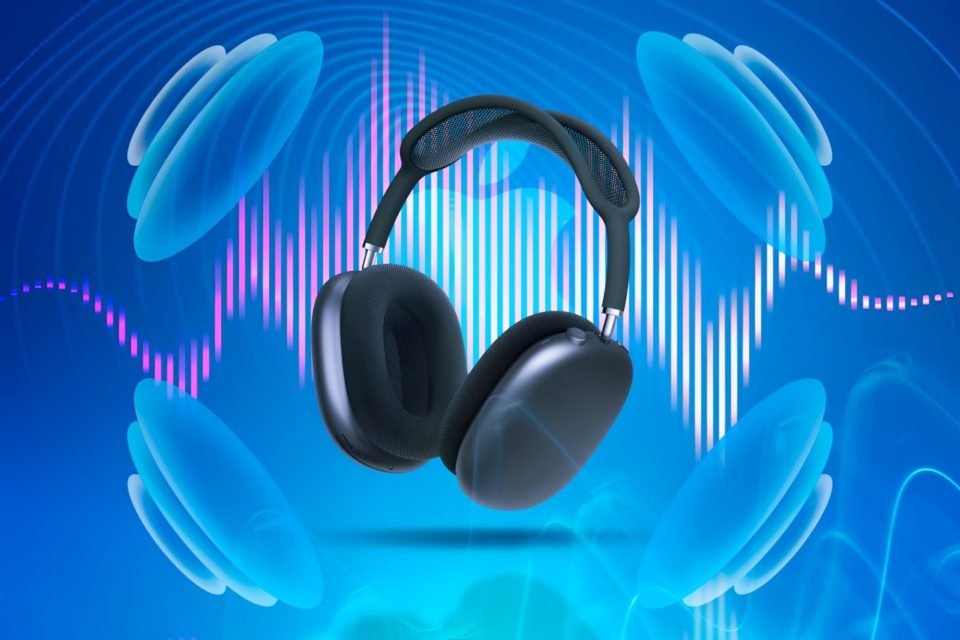
In recent years, spatial audio has been marketed as the next big thing in sound technology, especially for those who want to experience a more immersive audio experience. Companies like Apple, Sony, and others have integrated spatial audio into their products, promising users a revolution in how they experience music, movies, and games. While spatial audio may sound impressive in theory, there’s a growing belief that it’s overhyped and unnecessary for the average consumer. Here’s why.
What Is Spatial Audio, Anyway?
At its core, spatial audio refers to a technology that creates a 3D audio experience, where sounds seem to come from all around you—above, below, and from the sides. It’s designed to replicate how we naturally hear sound in the real world, creating a more immersive and lifelike experience. For example, in a movie, spatial audio can make you feel like you’re surrounded by the sounds of rain, footsteps, or even distant explosions, all coming from different directions.
The technology is most often paired with headphones or earbuds that have built-in spatial audio capabilities. It works by using special algorithms to place different audio sources in a 3D soundstage, giving users the impression of being in the middle of the action. While the idea sounds great, the actual benefits are often overstated.
The Reality of Spatial Audio: It’s Not a Game-Changer for Most People
The Impact on Music Listening is Minimal
One of the biggest claims for spatial audio is that it transforms how we listen to music. Proponents argue that the immersive 3D soundstage allows us to hear tracks in a completely new way, but is this really true? In practice, the effect of spatial audio on most music is minimal.
Most music is already mixed in stereo, with sounds panned left and right to create a sense of space. Adding spatial audio may make a slight difference, but the sound often becomes less natural, especially when dealing with more complex music genres like rock or classical. Instead of enhancing the music, spatial audio sometimes muddles the clarity of the instruments, making the whole experience feel overprocessed.
Moreover, in many cases, the benefits of spatial audio are lost on the average listener. If you’re not using high-quality headphones or if you’re listening in an environment where external noise interferes, the difference between stereo and spatial audio becomes hard to notice.
Not All Content Supports It
While more and more platforms are incorporating spatial audio, not all content is designed with it in mind. For example, many songs and podcasts are mixed in traditional stereo, and there’s little to be gained by applying spatial audio to these recordings. Similarly, while some movies and games use spatial audio for immersive sound effects, not all content creators are taking full advantage of the technology. As a result, users may find that they’re only getting partial benefits from their spatial audio-equipped devices.
For content that doesn’t specifically support spatial audio, the effect can feel artificial and unnecessary. For example, turning on spatial audio for a stereo mix often results in a soundstage that’s artificially “expanded,” making it sound more gimmicky than immersive.
It’s Not a Significant Improvement for Everyday Use
When it comes to everyday activities like commuting or listening to music while working, spatial audio offers little to no improvement. Most people use headphones for basic tasks like answering calls, listening to podcasts, or streaming media, where the added complexity of 3D audio isn’t noticeable.
Additionally, many consumers may not even realize they are using spatial audio. For example, many earbuds with spatial audio support are designed to toggle the feature automatically, which means the listener might not even be aware of whether it’s activated or not. In these scenarios, users are better off focusing on sound quality rather than a newfangled audio effect that isn’t a necessity.
The Need for Specialized Hardware
To experience spatial audio in all its glory, you need specialized hardware. Not only do you need headphones or earbuds with spatial audio capability, but the device you’re using (whether it’s a smartphone, tablet, or computer) also needs to support the technology. Even then, spatial audio may not always be effective across all devices, and it’s still very much dependent on the audio file or stream being delivered in a spatial format.
The fact that spatial audio requires a high level of compatibility and specific gear makes it less accessible to the average listener. For many, investing in spatial audio technology is simply not worth the cost, especially when the improvement is marginal.
It Can Be Overwhelming and Fatiguing
One of the more subtle downsides of spatial audio is that it can become overwhelming or fatiguing, especially when used for long periods of time. The constant directional changes in sound, particularly in loud or intense content like action movies or video games, can lead to sensory overload. For some, this may cause discomfort or a diminished ability to focus on the content itself.
Unlike traditional stereo sound, where the sound is more balanced and anchored, spatial audio can make the soundscape feel chaotic and disorienting. For those seeking a more straightforward listening experience, this can quickly become exhausting.
Conclusion
While spatial audio certainly has potential and may provide a fun experience for certain contexts (like gaming or action-packed movies), it’s largely overhyped and unnecessary for the average consumer. The technology doesn’t revolutionize the way we experience most forms of content, especially music, and the added complexity and cost may not be worth it for the small benefits it offers.
Ultimately, audio technology is best appreciated when it enhances the overall experience without overwhelming the listener. For many, traditional stereo sound remains more than enough, offering a simpler, cleaner, and more enjoyable listening experience. So, before rushing to invest in the next big thing in audio, remember that sometimes, less really is more.
