
Romantic rejection is a universally painful experience that can leave us feeling devastated and confused. Surprisingly, the impact of romantic rejection on the brain can be strikingly similar to the effects of substance addiction. Understanding the neuroscience behind this phenomenon can shed light on why we sometimes act irrationally or obsessively when faced with a broken heart.
The Neuroscience of Love and Addiction
Love, particularly romantic love, engages several brain regions associated with reward, motivation, and pleasure. When we are in love, our brain releases a cocktail of chemicals, including dopamine, oxytocin, and serotonin. Dopamine, in particular, plays a significant role in the brain’s reward system, creating feelings of euphoria and desire.
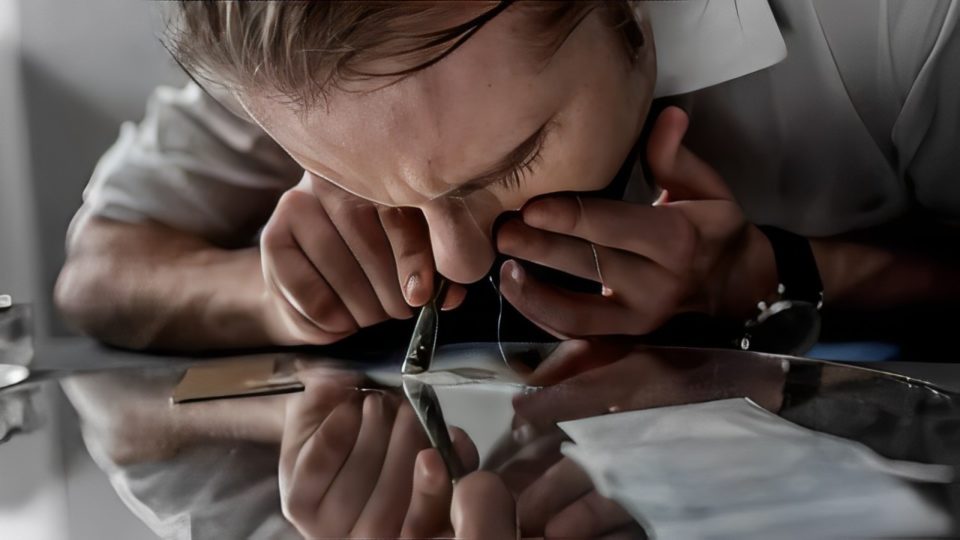
Interestingly, these same brain regions and chemicals are involved in substance addiction. When someone uses cocaine, for example, the drug stimulates an intense release of dopamine, leading to powerful feelings of pleasure and reinforcement of drug-seeking behavior. Similarly, when we are in love, the brain’s reward system reinforces our desire to be with our romantic partner.
The Pain of Romantic Rejection
When romantic relationships end or we face unrequited love, the brain’s response can be intense. Studies using functional MRI (fMRI) scans have shown that the brain regions activated during romantic rejection are similar to those activated during physical pain. This neural overlap helps explain why the emotional pain of rejection can feel so visceral and debilitating.
Moreover, the loss of romantic love leads to a significant drop in dopamine levels, much like the withdrawal symptoms experienced by cocaine addicts. This sudden decrease in dopamine can result in feelings of sadness, anxiety, and depression. The brain, deprived of its “love fix,” craves the reward and pleasure it once associated with the romantic partner.
Behavioral Similarities: Obsession and Compulsion
The parallels between romantic rejection and addiction extend beyond brain chemistry to behavior. Just as addicts may go to great lengths to obtain their drug of choice, individuals experiencing romantic rejection may engage in obsessive and compulsive behaviors to regain their lost love. These behaviors can include:
Constantly Checking Social Media: Similar to an addict seeking a fix, a rejected individual may obsessively check their ex-partner’s social media profiles, looking for any signs of change or new relationships.
Incessant Texting or Calling: The urge to reach out to the ex-partner, despite knowing it may not be reciprocated, mirrors the compulsive behavior seen in addiction.
Ruminating on the Relationship: Just as addicts might fixate on memories of their drug use, individuals experiencing rejection may dwell on past romantic moments, fueling their emotional pain and desire for reconciliation.
The Path to Recovery
Understanding the addiction-like nature of romantic rejection can be the first step toward healing. Recognizing that these intense emotions and behaviors are rooted in brain chemistry can help individuals approach their recovery with greater compassion and patience. Here are some strategies to facilitate recovery:
Acknowledge the Pain: Accepting that romantic rejection is a form of emotional trauma can validate the intense feelings and help individuals seek appropriate support.
Seek Social Support: Surrounding oneself with supportive friends and family can provide emotional stability and reduce feelings of isolation.
Engage in New Activities: Finding new hobbies or interests can help redirect the brain’s focus away from the lost relationship and stimulate the release of dopamine through other rewarding activities.
Consider Professional Help: Therapy or counseling can offer valuable tools and strategies for coping with romantic rejection and rebuilding self-esteem.
Conclusion
Romantic rejection can make us act in ways that resemble cocaine addiction due to the profound impact it has on our brain’s reward system. The intense emotional pain, obsessive thoughts, and compulsive behaviors are all rooted in the neurochemical processes that drive both love and addiction. By understanding these mechanisms, we can better navigate the difficult path of recovery and emerge stronger from the experience of romantic rejection.
