

The purpose of the face mask is to help block respiratory droplets from being sprayed into the air when a person coughs, sneezes, breathes or talks.
Should I exercise with a face mask? In 2021, sticking to your home exercise routine is still the only thing that ensures safety, according to a new study, Blood Oxygen levels are not affected for healthy individuals wearing a face mask during strenuous workouts.
It is important to note that most of the evidence suggests that the use of masks and face masks is most effective in protecting others from exposure to the wearer’s respiratory droplets, as protecting the wearer from COVID-19. Is against However, there is some new evidence to suggest the benefits of wearing a mask.

How to exercise with a face mask
Most people can perform their regular workouts while wearing the face mask, which will provide protection from (COVID-19) spread for everyone. It is essential to remind exercise enthusiasts to monitor how they feel during the workout and to take particular notice if they feel short of breath, If so, slow stop exercising until these symptoms go away. If you stops exercising due to shortness of breath and persistence of shortness of breath persists, remove the lid to improve air flow to the individual’s lungs.
Yes, it’s safe to wear a mask while exercising. Surgical masks (also called medical masks) and N95 masks. New research shows that wearing a mask during moderate-intensity aerobic activity does not significantly affect your heart rate, blood pressure, oxygen levels and fatigue time.
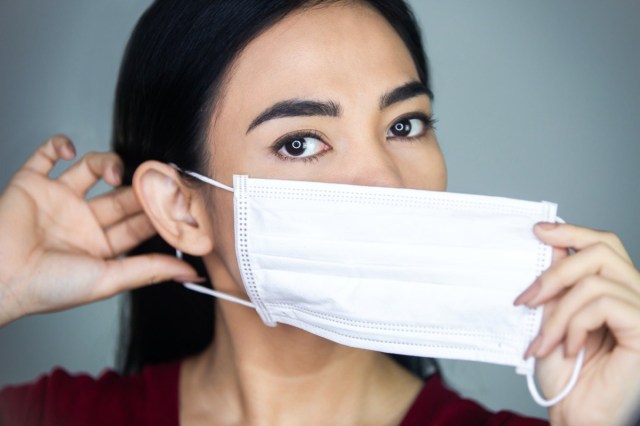
Make sure you don’t touch your eyes, nose or mouth when you remove the mask. Wash your hands after removing the mask.
It is best to remove your mask by the ear loops because the front of the mask is where germs will collect.
