
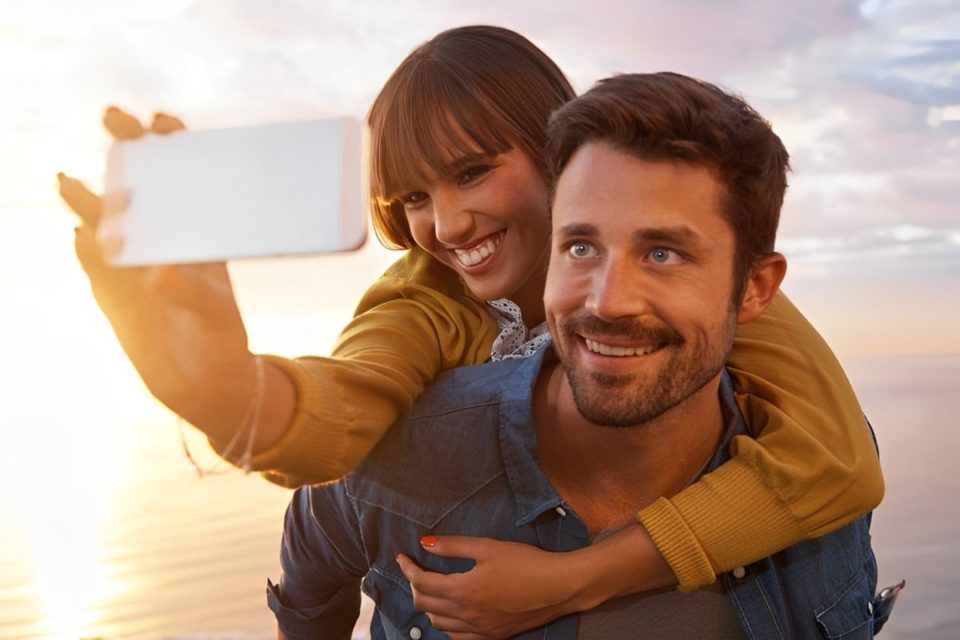
In a world where photo-editing apps promise the perfect version of ourselves, it’s tempting to click on that AI-enhancement button. Smooth skin, brighter eyes, a flawless smile—all achievable with a single tap. Yet, despite the convenience and allure of these tools, I consciously avoid using AI to edit my selfies and portrait photos. Here’s why.
Authenticity Over Perfection
One of the main reasons I don’t use AI for photo editing is my commitment to authenticity. My face tells a story—freckles from summers spent outdoors, laugh lines from years of joy, and even the occasional blemish that reminds me I’m human. AI editing often erases these unique features in pursuit of an unrealistic standard of beauty.
When we alter photos too much, we risk presenting a version of ourselves that feels disingenuous. I’d rather share a picture that reflects who I truly am than one that conforms to societal beauty norms.
The Trap of Comparison
AI-edited photos can create a cycle of unhealthy comparison. When I see others’ perfectly enhanced selfies, it’s easy to feel inadequate. If I also used AI, I’d be contributing to this culture, perpetuating a false narrative of what beauty should look like.
By embracing my natural appearance, I’m making a conscious choice to challenge these standards and encourage others to do the same. True confidence comes from self-acceptance, not from digitally altered perfection.
Preserving the Art of Photography
Photography is more than just capturing an image; it’s about storytelling and emotion. AI editing often strips photos of their raw beauty. The shadows, textures, and imperfections that make a photo feel real are replaced with an artificial gloss.
Instead of relying on AI, I prefer to play with lighting, angles, and composition. This approach keeps photography an art form, rather than a digital manipulation.
The Risk of Over-Editing
AI editing can easily go overboard. Features can look exaggerated, skin can appear unnaturally smooth, and the overall effect can seem uncanny. The result? Photos that look more like avatars than real people.
I’ve seen friends edit photos until they barely recognize themselves, and it breaks my heart. It’s a slippery slope, and I’d rather stay grounded in reality.
Encouraging Self-Love
Avoiding AI editing is a small but powerful act of self-love. It’s a reminder to myself—and others—that our worth isn’t determined by flawless skin or symmetrical features.
When I post an unedited photo, I’m telling the world, “This is me, and I’m enough.” It’s liberating and empowering to embrace who I am, flaws and all.
AI Doesn’t Understand Context
AI lacks the nuance to understand what makes a photo special. It may remove a scar that holds sentimental value or brighten a shadow that adds depth to the image. By editing photos manually (or not at all), I retain control over how I present myself and the memories I capture.
Conclusion
Choosing not to use AI to edit selfies and portrait photos is a personal decision rooted in authenticity, self-love, and a desire to challenge unrealistic beauty standards. While I understand the appeal of these tools, I believe that true beauty lies in our imperfections and individuality.
In a digitally enhanced world, there’s something refreshingly honest about showing up as you are. So, the next time you’re tempted to swipe right on that AI filter, consider this: your unedited self is already enough.
