
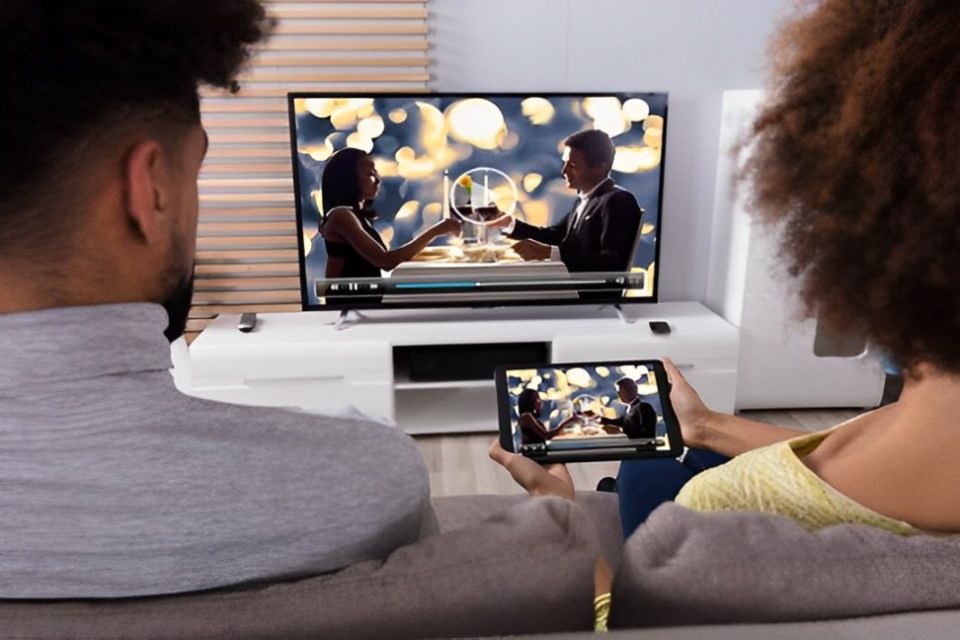
The rise of streaming platforms like Netflix, Hulu, Amazon Prime, and Disney+ has revolutionized how we consume television. On the surface, streaming seems like a dream come true—instant access to thousands of shows and movies at the click of a button, with no commercials, no waiting for weekly episodes, and the ability to binge-watch entire seasons in one sitting. However, after years of embracing the convenience of streaming, I’ve come to realize that it has significantly changed (and in many ways, ruined) the way I watch television. Here’s how:
The End of Weekly Anticipation
Before streaming, I remember the excitement of waiting for a new episode of my favorite show to air every week. The build-up was real. I’d eagerly mark my calendar, talk about the previous episode with friends, and spend the days leading up to the next release speculating on what might happen next. This weekly anticipation was a big part of the enjoyment.
With streaming, this sense of suspense has vanished. Instead of waiting for the next episode, I often just hit “next episode” and continue watching without any real pause or reflection. The magic of anticipation, of being kept on the edge of my seat and savoring the moment, is completely gone.
The Rise of “Binge-Watching” Fatigue
Binge-watching has become the norm. While it was once exciting to sit down and consume an entire season of a show in one sitting, I now often find myself fatigued by it. Watching an entire season in one go doesn’t give me time to process what I’ve just seen or let the plot sink in. The storylines blur together, characters lose their emotional impact, and I often forget key moments or nuances because I’m watching episode after episode without pause.
This “more is more” approach that streaming platforms encourage has turned what was once a meaningful viewing experience into a blur of fast consumption. I miss the days when I could truly reflect on what happened in an episode before moving on to the next one.
The Overwhelm of Choice
With traditional TV, the options were simple. If you missed a show, you had to wait for reruns or catch up later. You couldn’t just stream any episode you wanted at any time, and that sense of limitation actually made watching TV more purposeful. Now, with streaming, there are so many options that it’s become overwhelming.
There’s no longer a definitive “what’s on tonight” feeling. I spend more time scrolling through hundreds of titles than actually watching anything. The paradox of choice is real—there are so many shows to watch that I often find myself overwhelmed and end up choosing nothing at all. And when I do finally settle on something, I’m often second-guessing if I made the right decision, knowing that a hundred other great shows are waiting for me.
The Disappearance of Watercooler Moments
Remember the days when everyone at work or school would discuss the latest episode of a popular show? It was a shared cultural experience, and it created camaraderie. Now, with streaming platforms offering full seasons, people consume shows at different paces, which means there’s no longer a collective viewing experience. Friends or coworkers may have finished an entire season by the time I’ve barely started, leading to spoilers and making it harder to engage in these cultural conversations.
The sense of community around television has significantly diminished. We’re no longer united by our shared TV schedule. Instead, we’re each isolated in our own individual viewing timelines, making it harder to bond over the shows we love.
The Loss of the “TV Event”
Back in the day, shows were events. You’d gather around the TV for a season finale or a special episode, and it felt like the entire world was watching together. Shows like Game of Thrones or Breaking Bad created global events where fans would eagerly anticipate the next installment.
Now, streaming has made these “TV events” almost extinct. Everything is available all at once, so the thrill of a season finale or a highly-anticipated episode has faded. Streaming encourages a “get it now” mentality rather than the excitement of waiting for an episode to drop. The significance of a single episode has been diluted by the sheer volume of content available at all times.
The Diminishing Role of Commercials
While most people would consider the absence of commercials a major perk of streaming, for me, it has removed a crucial part of the experience. Commercials gave a sense of rhythm and pause to shows. They allowed for breaks in the action and gave me time to reflect, grab a snack, or take a breather.
Now, with continuous streaming, there’s no built-in pause. The show is constant, and I feel compelled to keep watching. It’s almost as if there’s no room to breathe. I miss the ritual of having a natural break in the viewing experience.
The Increasing Pressure to Keep Up
With streaming, there’s constant pressure to keep up with new shows and trends. If I don’t watch the latest hit series right when it drops, I risk missing out on all the conversations around it. There’s a constant urge to binge-watch in order to stay “relevant,” to not feel left behind in the endless cycle of new releases.
This sense of pressure can make watching television feel less like a leisurely, enjoyable activity and more like a task that needs to be completed. I’ve gone from watching shows that I genuinely want to watch to consuming content simply because everyone else is talking about it.
Conclusion
Streaming has undoubtedly revolutionized television, but it has also taken away a lot of the joy and simplicity that once came with watching TV. From the excitement of weekly episodes to the collective experiences of watching together, streaming has removed many of the rituals and pleasures that once made television so enjoyable.
While I still love the convenience and accessibility of streaming, I often find myself longing for the days when watching TV was simpler, slower, and more meaningful. Maybe it’s time to embrace the old way of watching again—one episode at a time, with anticipation, reflection, and without the pressure to keep up.
