
Throughout history, countless literary works have been created, shaping cultures, ideologies, and knowledge systems. Yet, despite their profound importance, the overwhelming majority of ancient texts—around 99%—have vanished. The reasons behind this immense loss range from natural disasters and wars to material decay and cultural suppression. Had these works survived, our understanding of ancient civilizations, philosophies, and scientific advancements might be vastly different. But why has so much of this invaluable literary heritage been lost forever?
The Fragility of Writing Materials
Ancient literature was primarily recorded on materials highly susceptible to decay. Early civilizations wrote on papyrus, parchment, clay tablets, and wooden tablets—none of which were designed to last for millennia. Papyrus, widely used in ancient Egypt, Greece, and Rome, was especially fragile and deteriorated over time, particularly in humid climates. Even parchment, a more durable material, was vulnerable to mold, water damage, and fire. Without proper preservation, these materials disintegrated, erasing vast collections of knowledge from history.
Library Fires and Catastrophic Losses
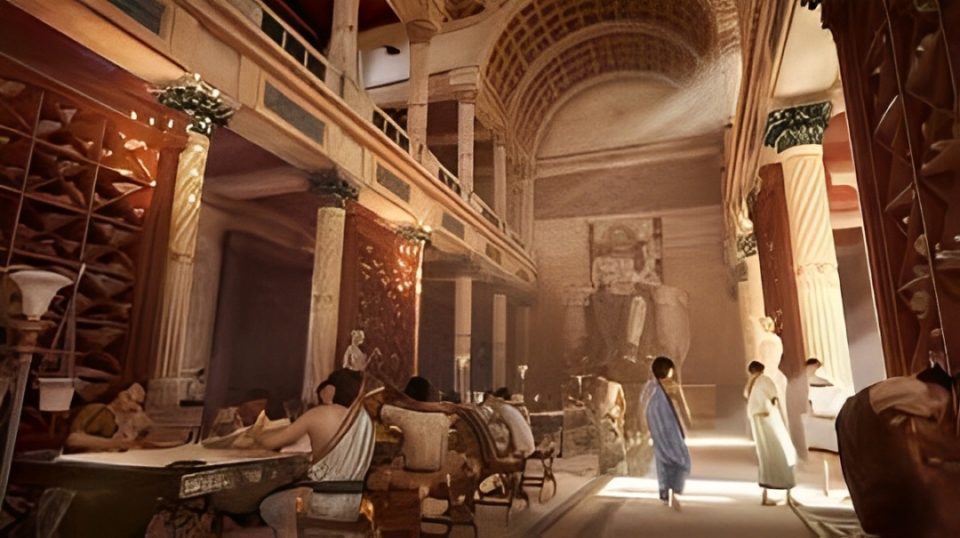
One of the most infamous tragedies in literary history was the destruction of the Library of Alexandria, which housed an estimated 40,000 to 400,000 scrolls of knowledge from across the ancient world. Whether lost due to fire, war, or neglect, its destruction symbolized the immense vulnerability of ancient literature. Other catastrophic losses include the burning of the Royal Library of Ashurbanipal, the destruction of the House of Wisdom in Baghdad, and the countless texts lost when Rome fell. These events collectively contributed to the disappearance of irreplaceable literary works.
Wars and Conquests
War has been one of the greatest enemies of literature. When civilizations clashed, the victors often sought to erase the cultural and intellectual legacy of the defeated. The Mongol invasions, Viking raids, and the conquest of the Americas all led to significant losses in written records. The Spanish conquest of the Aztecs and Mayans, for example, resulted in the deliberate burning of thousands of codices, forever destroying insights into their history, astronomy, and medicine.
Religious and Political Suppression
Religious and political authorities throughout history have often viewed certain texts as dangerous, heretical, or subversive. The Qin Dynasty in China infamously ordered the burning of Confucian texts to solidify state ideology. The Catholic Church, through events like the Spanish Inquisition, led to the destruction of works deemed heretical. Even in more recent centuries, book burnings and censorship campaigns have erased knowledge that conflicted with dominant ideologies. These systematic efforts to control thought have contributed to the loss of countless ancient texts.
The Shift from Oral to Written Tradition
Many ancient cultures relied on oral storytelling before transitioning to written literature. While oral traditions allowed stories to be passed down, they were highly susceptible to distortion or complete loss over generations. Without written records, many epics, myths, and historical accounts simply faded into oblivion. Even when oral stories were later transcribed, only fragments of the original tales survived, meaning much of early human history is irretrievably lost.
Neglect and Natural Decay
Even when ancient texts were not deliberately destroyed, neglect played a significant role in their disappearance. Many works were simply abandoned, left to decay in damp environments, or eaten by insects. Some manuscripts were repurposed—parchment was often scraped and reused, erasing older texts. Over time, without conscious efforts to preserve them, even the most influential works faded into obscurity.
The Survival of a Lucky Few
Despite the massive loss of ancient literature, a small percentage has survived thanks to fortunate circumstances. Some texts were copied repeatedly by scribes, while others were preserved in dry climates, such as the Dead Sea Scrolls found in desert caves. Others were rediscovered centuries later, hidden in monasteries or private collections. However, what remains is just a fraction of what once existed, leaving scholars to speculate about the vast intellectual treasures that are now lost to history.
Conclusion
The loss of 99% of ancient literature represents an irreversible tragedy for human knowledge and cultural heritage. Had these works survived, our understanding of philosophy, science, history, and the arts might be radically different. While historians and archaeologists continue to uncover fragments of the past, the vast majority of ancient texts are likely gone forever. This loss serves as a powerful reminder of the importance of preservation, as future generations must protect the literary and historical records that remain to ensure that history is not lost again.
